

Maintaining aging farm equipment requires intentional care because older machines still hold significant value for farms of all sizes. Tractors, combines, and tillage tools are often relied on year after year, making consistent upkeep essential for performance and long-term reliability. Implementing smart maintenance routines and targeted upgrades keeps older machinery productive through many seasons.
Proactive attention preserves equipment readiness and prevents costly downtime during critical planting or harvest windows. Routine care ensures machines remain dependable when daily farm operations demand them. Planning ahead also supports smoother workflows and reduces stress during peak seasonal periods.
How Can You Extend the Life of Aging Farm Equipment?
Extending the life of aging farm equipment involves a mix of regular maintenance, timely parts replacement, and thoughtful upgrades. Monitoring wear, lubricating components, and addressing minor issues early prevents small problems from turning into major failures. Integrating compatible technology and attachments enhances efficiency, keeping older machines relevant alongside newer equipment.
Why Is Preventative Maintenance Essential for Aging Farm Equipment?
Preventative maintenance captures developing problems before they escalate into major repair costs or downtime. Scheduled inspections of engines, hydraulics, and electrical systems identify early signs of wear that operators might overlook. Routine servicing also ensures that minor issues are fixed before peak fieldwork begins.
Implementing a preventive schedule allows farms to anticipate needed repairs during slower seasons. Maintenance logs and checklists provide a record of past work, helping to plan future services efficiently. Consistent care supports smoother operation and helps maintain optimal field performance.
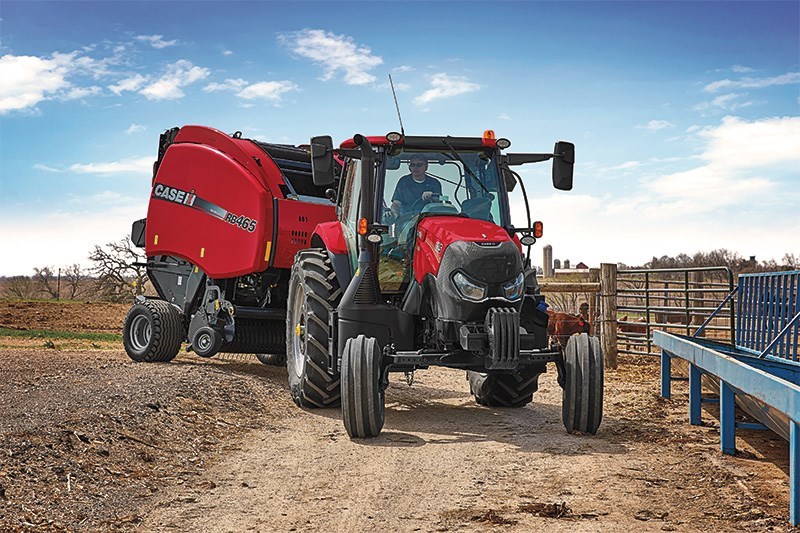
Routine maintenance also extends machine life by reducing stress on critical components. Clean fluids, correct tire pressures, and lubricated pivot points reduce friction and wear. Attention to detail in maintenance routines often prevents more costly failures down the line.
Professional service support can complement operator maintenance, offering specialized diagnostic insights for aging farm equipment. Technicians identify potential issues that are not obvious during daily checks. Collaborating with service experts ensures comprehensive coverage for all machine systems.
How Do You Decide Between Repair and Replacement?
Determining whether to repair or replace components depends on machine condition, cost, and long-term operational goals. Minor failures or worn parts may be more efficiently fixed than fully replaced, while persistent problems could justify a replacement. Evaluating repair frequency versus investment in new parts helps guide cost-effective decisions.
Tracking repair history provides insights into recurring issues on aging farm equipment. Parts that fail repeatedly may signal deeper system wear, suggesting replacement is more practical. Regular assessments keep operations running efficiently and prevent downtime surprises.
Financial planning also affects repair or replacement decisions, and exploring financing options for new and used farm equipment allows farms to spread investment while upgrading strategically. Tracking repair history and part costs helps guide cost-effective decisions. Regular assessment ensures operations run efficiently and prevents downtime surprises.
Documentation of all repairs supports informed decisions for resale or trade-in value. Buyers and dealers often value a clear record of maintenance and upgrades. Machines with well-documented service histories typically retain higher market value.
What Upgrade Strategies Boost Older Machines’ Performance?
Upgrading aging farm equipment can extend its usefulness while improving efficiency and versatility in the field. Smart technology and attachments allow older machines to perform tasks more accurately and safely. Thoughtful enhancements also help operators maintain consistent performance across diverse conditions.
Consider these upgrade strategies to maximize the capability of your older machines:
-
Add GPS Guidance Systems: Improve field accuracy and reduce operator fatigue with precise navigation tools.
-
Install Yield Monitoring and Precision Tools: Track performance metrics in real time to optimize productivity.
-
Upgrade Attachments: Use multi-purpose implements to expand functionality without additional equipment purchases.
-
Integrate Software and Sensors: Enable older machines to work seamlessly with modern implements and detect emerging issues early.
-
Enhance Safety Controls: Modern control systems improve stability, especially on challenging terrain or during variable weather conditions.
Implementing these upgrades enhances efficiency, reduces downtime, and increases overall machine performance. Strategic improvements combined with regular maintenance ensure older equipment remains reliable and productive.
Clean and Lubricate Machinery Regularly
Regular cleaning prevents corrosion and buildup that accelerate component wear on aging farm equipment. Removing dirt, crop residue, and moisture after fieldwork protects seals, bearings, and metal surfaces. Proper cleaning also improves inspection accuracy, allowing technicians to spot developing issues early.
Lubricating all grease points reduces friction on pivot points, hitch pins, and PTO components. Smooth movement minimizes stress and supports long-term operational efficiency. Lubrication schedules should align with usage patterns and seasonal cycles.
Consistent cleaning and lubrication reduce the likelihood of unexpected breakdowns in the field. These practices maintain original machine performance and extend equipment life. They also complement other maintenance routines, maximizing ROI for older equipment.
Developing operator routines for cleaning and greasing ensures coverage of all critical components on aging farm equipment. Documenting these routines supports consistent care across multiple machines and operators. Following these steps reinforces preventative strategies and protects investments.
Monitor Engine and Hydraulic Performance
Engines and hydraulics are core to machine capability and reliability. Tracking fuel efficiency, fluid conditions, and system pressures detects inefficiencies early, and regular farm equipment servicing maximizes your machinery's longevity and performance. Changes in these indicators often precede more costly failures if ignored.
Fluid sampling, pressure checks, and sensor monitoring reveal hidden wear patterns. Addressing early signs of contamination or abnormal performance prevents extensive repairs. Maintaining clean fluids, proper coolant levels, and accurate hydraulic pressures keeps machines running smoothly.
Monitoring performance also helps operators plan workload distribution and machine rotation for aging farm equipment. Machines that operate within proper parameters last longer and work more reliably. Early detection of engine or hydraulic issues ensures productive field performance throughout the season.

What Are Smart Ways to Plan Service Around Your Workload?
Scheduling service around seasonal workloads ensures machines are available when they are needed most. Planning ahead reduces the chance of unexpected downtime and helps farms stay on schedule. Thoughtful preparation allows operators to balance maintenance needs with peak field demands.
Here are five smart ways to plan service for your equipment:
-
Coordinate Off-Season Inspections: Conduct minor repairs and preventive maintenance during slower periods to prevent bottlenecks.
-
Integrate Diagnostics with Operator Checks: Combine professional assessments with daily operator observations for a full picture of machine health.
-
Plan for Parts and Budget in Advance: Anticipate seasonal needs to ensure parts availability and financial preparedness.
-
Take Advantage of Service Specials: Use dealership events or bundled maintenance opportunities to improve efficiency and reduce costs.
-
Prioritize High-Use Machines: Focus on aging farm equipment or high-hour units first to maintain peak performance and reliability.
Following these strategies maximizes uptime and keeps equipment functioning efficiently throughout the season. Proper planning ensures that critical machines are always ready when fieldwork intensifies.
Confidently Caring for Aging Farm Equipment
Extending the life of aging farm equipment requires regular maintenance, timely parts replacement, and selective upgrades. Paying attention to cleaning, lubrication, and engine performance allows older machines to remain productive and reliable. Structured planning around seasonal workflows also supports efficiency and longevity.
Maximizing machinery life protects investment and ensures smoother operations through every season. Keeping older equipment reliable reduces downtime, improves productivity, and supports informed long-term decisions. Windridge Implements offers parts, service expertise, and upgrade solutions to keep older equipment dependable; contact us to schedule a maintenance or upgrade consultation and let us equip your operation with knowledgeable support.