
Farmers make important financial decisions when purchasing equipment, and one of the most overlooked factors is equipment depreciation. Understanding how depreciation influences year-end tax planning helps producers prepare budgets and make smarter investments. Agricultural businesses gain long-term stability when they know how depreciation affects overall financial health.
Equipment purchases often represent the largest investments for small to mid-sized farms. Tractors, harvest machinery, and trailers all carry value that changes over time. Farmers who plan with depreciation in mind benefit from both operational efficiency and tax savings.
What Is Equipment Depreciation for Farmers
Equipment depreciation measures how machinery loses value over time and influences farm accounting and taxes. Farmers record depreciation to reflect actual wear and tear, which impacts reported profits. Properly accounting for depreciation ensures accurate tax reporting and smarter business decisions.
Why Does Equipment Depreciation Matter for Year-End Planning
Farmers use depreciation to reduce taxable income and manage annual budgets. Understanding how depreciation affects year-end planning allows producers to align purchases with tax strategies. Choosing the right time to invest in equipment may deliver meaningful savings when filing returns.
Accurate depreciation schedules also help farms measure financial performance. Farmers comparing depreciation against revenue can determine how effectively equipment contributes to profitability. Strong planning ensures machinery provides value beyond its purchase price.
Dealership services that include expert advice on equipment performance and life expectancy support smarter planning. Farmers working with trusted providers gain insight into which assets will deliver lasting returns. Strategic guidance helps align operational needs with long-term tax benefits.
How Do Different Types of Equipment Influence Depreciation
Agricultural and construction equipment depreciates differently depending on category, size, and use. Farmers planning purchases should understand how machinery value changes over time. Each type of equipment affects tax calculations in unique ways:
-
Tractors usually depreciate steadily, with mid-range models holding value longer when maintained well. Farmers rely on tractors for multiple field tasks.
-
Harvest equipment often depreciates quickly because of heavy seasonal use, making regular maintenance vital for preserving value.
-
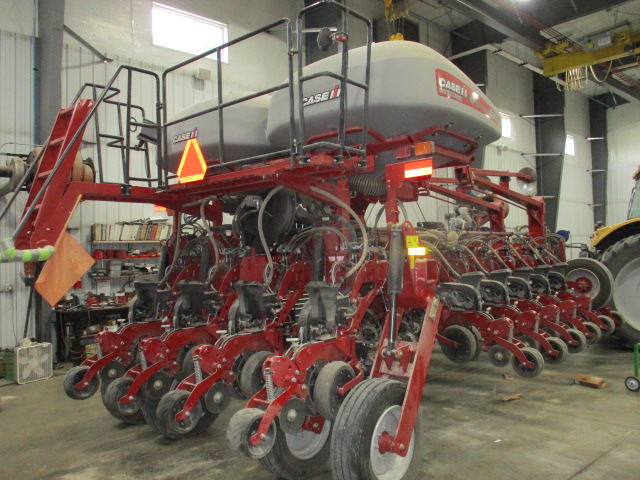
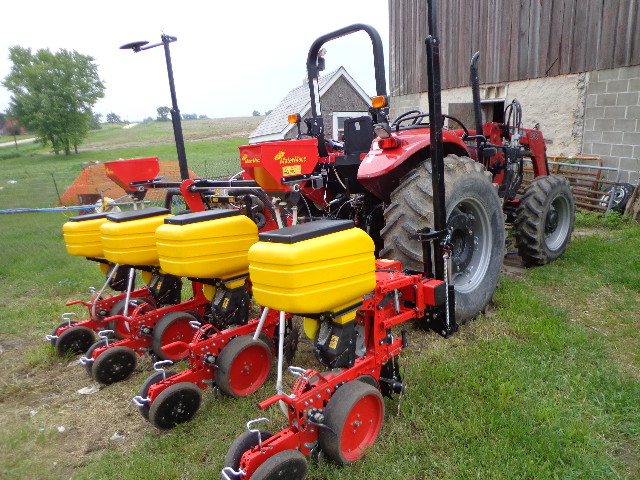
Planting tools depreciate moderately but remain essential for crop productivity, meaning their financial impact extends beyond initial cost.
-
Grain carts and trailers tend to hold value when kept in good condition, offering reliable tax advantages.
-
Hay and forage machinery depreciates based on seasonal intensity, requiring careful scheduling of service to maintain performance.
Each piece of equipment plays a role in both field efficiency and financial planning. Farmers adopting smart depreciation strategies balance immediate needs with long-term savings.
What Maintenance Strategies Protect Equipment Value
Preventive maintenance extends machinery life and slows depreciation, protecting farm investments. Farmers who prioritize upkeep safeguard the resale value of tractors, trailers, and harvest equipment. Regular service also ensures reliable operation during critical seasons.
Key maintenance strategies include:
-
Routine inspections identify small issues early and prevent expensive failures during peak farming activity.
-
Fluid changes protect engines and hydraulics, reducing wear that accelerates depreciation.
-
Hose and belt replacements eliminate unexpected breakdowns and keep equipment dependable.
-
Cleaning and lubrication prevent corrosion and ensure moving parts remain functional for longer periods.
-
Timely repairs reduce the chance of permanent damage, helping equipment retain value.
Farmers practicing consistent maintenance enjoy extended equipment lifespans. Slower depreciation means stronger resale opportunities and tax advantages. Preventive care makes smart farming both practical and profitable.
How Do Tax Considerations Shape Equipment Decisions
Year-end tax considerations often determine when farmers purchase equipment. Understanding how depreciation deductions align with filing deadlines helps producers maximize savings. Timing purchases strategically ensures farms capture the most value.
Tax considerations may include:
-
Section 179 deductions that allow immediate expensing of qualifying equipment up to annual limits.
-
Bonus depreciation options that accelerate deductions on new or used machinery in the year of purchase.
-
Standard depreciation schedules spreading deductions across several years for stable financial planning.
-
Trade-in allowances that offset costs and reset depreciation schedules for upgraded machinery.
-
State-specific incentives that provide additional tax benefits for qualifying purchases.
Smart tax planning allows farmers to improve operations while lowering year-end tax burdens. Equipment depreciation plays a central role in these decisions.
Why Should Farmers Track Depreciation for Financial Health
Tracking depreciation allows farmers to understand both financial and operational efficiency. Farms maintaining accurate depreciation records gain insight into true profitability. Strong records also prepare businesses for audits or financing opportunities.
Depreciation tracking shows how equipment contributes to return on investment. Farmers use this data to decide when repairs outweigh benefits and when upgrades are justified. Careful recordkeeping also supports planning for future growth.
Financial health depends on balancing short-term costs with long-term gains. Depreciation records help farmers achieve stability, ensuring each purchase contributes to operational success. Farms equipped with accurate data make stronger, more confident decisions.
How Can Equipment Depreciation Guide Future Investments
Equipment depreciation provides valuable insight for planning future farm purchases. Farmers reviewing past depreciation rates understand which assets delivered lasting value. Data-driven decision-making reduces the risk of overspending and ensures operational growth.
Future investments should align with both acreage needs and financial capabilities. Smaller farms may focus on versatile tractors and attachments, while larger operations consider specialized harvest machinery. Each decision affects future depreciation schedules and tax strategies.
Dealerships offering diverse equipment options and expert service provide the tools farmers need. Working with trusted providers ensures purchases deliver both immediate productivity and long-term financial benefits. Farmers using depreciation as a guide build stronger, more sustainable businesses.
How Equipment Depreciation Strengthens Farm Planning
Equipment depreciation significantly affects year-end tax considerations, financial health, and investment strategies. Farmers who understand depreciation schedules position themselves for long-term success. Affordable tools, reliable service, and preventive care all support depreciation management.
Planning ahead allows small to mid-sized farms to balance productivity with financial responsibility. Farmers in Iowa, Minnesota, and Wisconsin benefit from professional equipment support tailored to their unique needs. Contact Windridge Implements today to learn how our wide range of equipment and services can support your farm operations.