

Harvest season pushes every machine and crew member to peak performance. Operating under tight timelines, unpredictable weather, and narrow harvest windows, farms cannot afford inefficiencies. Harvest equipment becomes the backbone of all efforts, carrying the responsibility of speed, consistency, and crop preservation. Selecting and preparing each machine with purpose is vital to a productive and trouble-free season.
Farmers must balance field needs with equipment limits and operational goals. Grain carts, combines, trailers, and balers should match acreage volume and terrain complexity. Field strategies that pair machine capability with agronomic demands increase efficiency and reduce logistical risk. A thoughtful approach to equipment use and readiness begins well before harvest starts.
1. Align Equipment Size With Field Capacity and Crop Volume
Choosing the right size for harvest equipment means evaluating field acreage, expected yield, and operational throughput. Combines must have headers wide enough to cover ground efficiently but narrow enough to accommodate topography and turning radius. Grain carts should match combine bin sizes to prevent repeated returns to unloading areas. Excessively large machines in tight or terraced fields reduce overall harvest performance.
Overcapacity creates new problems like higher soil compaction and wasted horsepower, while under capacity leads to workflow delays. Combines should be equipped with flexible headers when fields include multiple crop types or uneven terrain. Sizing decisions extend beyond field boundaries and into grain transport and storage scheduling. Equipment mismatch often results in bottlenecks during peak activity.
Machines should complement each other to maintain smooth flow, not operate in isolation. A well-sized grain cart keeps up with the combine without waiting for trucks to return. Matching auger length and discharge rates helps maintain tempo across the harvest chain. Coordinated sizing ensures seamless operation across multiple stages of harvest.
Properly scaled harvest equipment also extends component life through reduced mechanical strain. Undersized machines forced to run continuously under heavy load will suffer premature wear. Appropriately matched gear reduces fuel consumption and operator fatigue. Balance across the fleet delivers better seasonal outcomes.
2. Maintain Harvest Equipment Regularly Before and During the Season
Routine maintenance is a non-negotiable best practice for all harvest equipment. Even short delays caused by overlooked parts can cost valuable field hours. Preseason inspections should include fluid checks, wear component assessments, sensor calibration, and belt replacements. Every machine in the harvest line must undergo this process before heading to the field.
Hydraulic lines, bearings, chains, and moving assemblies must be checked daily once the season begins. Cleaning residue from air intakes and chopper blades ensures proper airflow and prevents overheating. Machines should never enter the field with clogged filters or old oil. Internal buildup compromises efficiency and raises fire risk in dry crop residue.
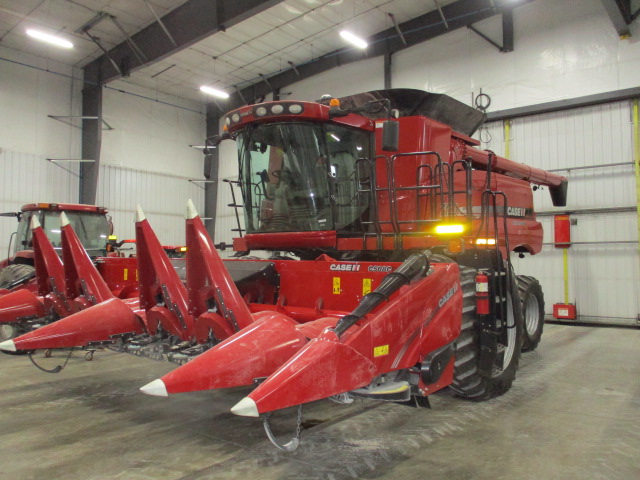
Operators should carry service kits specific to their harvest equipment. Common components like belts, shear pins, electrical fuses, and chain links should be stocked ahead of time. Mechanics should also mark daily greasing points and develop a simple checklist for each operator. When everyone knows what to inspect, repair delays shrink.
Maintenance records also guide replacement planning for the next season. Understanding how often each component required service helps forecast future needs and investment. Reliable maintenance habits lengthen equipment lifespan and protect yield quality. No best practice holds more long-term value than consistent, proactive service.
3. Optimize Harvest Equipment for On-The-Go Unloading and Grain Handling
Harvest success relies on continuous machine movement, and on-the-go unloading is one of the most effective methods to keep that rhythm. Grain carts designed for rapid discharge and high-volume intake must work in sync with combine unloading augers. Each transfer point should support real-time operation without requiring full machine stops. Interruptions cost valuable time during dry-weather harvest windows.
Grain cart features such as scale systems, flow-control spouts, and visibility cameras aid in precise unloading. These tools reduce overfill, minimize spillage, and support more efficient truck loading. Operators should learn how to use each feature before harvest begins. Mistakes during peak load periods lead to product loss and safety concerns.
Harvest teams must coordinate routes and timing for each cart and truck rotation. GPS systems and two-way communication allow faster, safer cart movement across large fields. Drivers must know the expected intervals for each transfer. Consistency ensures that combines never stop waiting for a returning cart.
Best practices also include regular cleaning of auger systems and calibration of discharge gates. Grain flow varies depending on crop moisture and density, so adjust settings as needed. Clean equipment unloads more evenly and with fewer interruptions. Routine inspections of belts and bearings during unloading prevent auger failure mid-season.
4. Match Transport Harvest Equipment With Road Rules and Turnaround Timing
Transporting harvested grain from field to storage is often the hidden choke point of harvest operations. Trailer capacity should match field output and available road time to avoid congestion. Tri-axle or tandem axle trailers improve weight distribution and meet DOT transport rules. Every truck must comply with local safety and lighting regulations before entering public roads.
Farmers should pre-plan routes and avoid delays caused by bridge limits, road closures, or load restrictions. Advance scouting ensures no surprises on high-traffic days. Equipment registration and driver permits must be updated and verified before harvest begins. Failing to plan transport logistics can undo even the most efficient field operations.

Each transport trailer should also support quick unloading into bins, elevators, or dryers. Hydraulic tailgates, camera guides, and vibration floors improve efficiency and grain handling safety. Time spent waiting to unload is time lost from the field. Clean unloading points eliminate contamination and preserve crop integrity.
Operators must also monitor tire conditions, brake response, and trailer hitch strength. Harvest equipment used for transport endures repeated stress under full loads. Preseason inspections and daily walkarounds prevent roadside breakdowns. Transport delays hurt field performance and risk crop exposure.
5. Integrate Equipment With Field Data and Load Monitoring Systems
Harvest efficiency improves when machines operate within a connected data environment. Equipment integrated with load monitoring systems and field-mapping tools allows operators to assess yield flow and adjust pace accordingly. Calibrated grain carts and combines equipped with in-cab monitors help refine logistical decisions in real time. Data-backed movement improves operational consistency and supports better grain traceability from field to storage.
Weigh-on-the-go systems installed on grain carts offer more than just per-load metrics. These readings allow farms to balance crop flow across multiple fields and avoid overloading storage facilities. Precise weight data eliminates guesswork and supports timely grain marketing decisions. Visibility over what’s been harvested and where it’s headed boosts post-harvest accuracy.
Integrating moisture sensors directly into harvest equipment supports smarter segregation and storage planning. Moisture levels determine drying time, storage conditions, and end-market quality. Knowing field-level moisture patterns during harvest prevents unnecessary mixing of wet and dry loads. Equipment equipped for moisture detection offers better control over post-harvest value.
Data integration also supports operator accountability and performance tracking. When every cartload, route, and combine pass is recorded, farms can evaluate labor efficiency and equipment use. Historical records help improve next year’s planning and identify operational bottlenecks. Field-connected harvest equipment gives producers better control over harvest outcomes.
Prepare for the Season with Reliable Harvest Equipment
Every harvest hinges on field-ready machines, well-trained operators, and a plan that keeps everything moving. Efficient harvest equipment supports steady flow, grain protection, and minimum downtime across changing conditions. Farms that prepare early and maintain consistently see the strongest results. Proper sizing, service, and system flow matter more than ever.
Explore trusted combines, grain carts, trailers, and hay tools at Windridge Implements. Our selection of new and used harvest equipment supports operations across northeastern Iowa. Visit Cresco, Decorah, or Elkader to see how we can help gear up your next harvest. Get the equipment that works as hard as your team does.