
The end of a season is the right time to evaluate how your farm equipment held up. Whether you’re running high-horsepower tractors or relying on older planters, identifying what worked and what didn’t shapes smarter planning for next year. Every hour in the field offers insight worth capturing.
Take time now to review downtime logs, repair records, and machine performance across varying field conditions. The goal isn’t to assign blame, but to guide better decisions with real data and firsthand experience. Small issues caught now can prevent bigger problems later.
Track Downtime and Field Productivity With Farm Equipment Logs
Start by reviewing how often each piece of farm equipment was active versus idle. That simple ratio reveals a lot, especially during critical windows like planting or harvest. Machines that sat more than they ran may have slowed the entire operation.
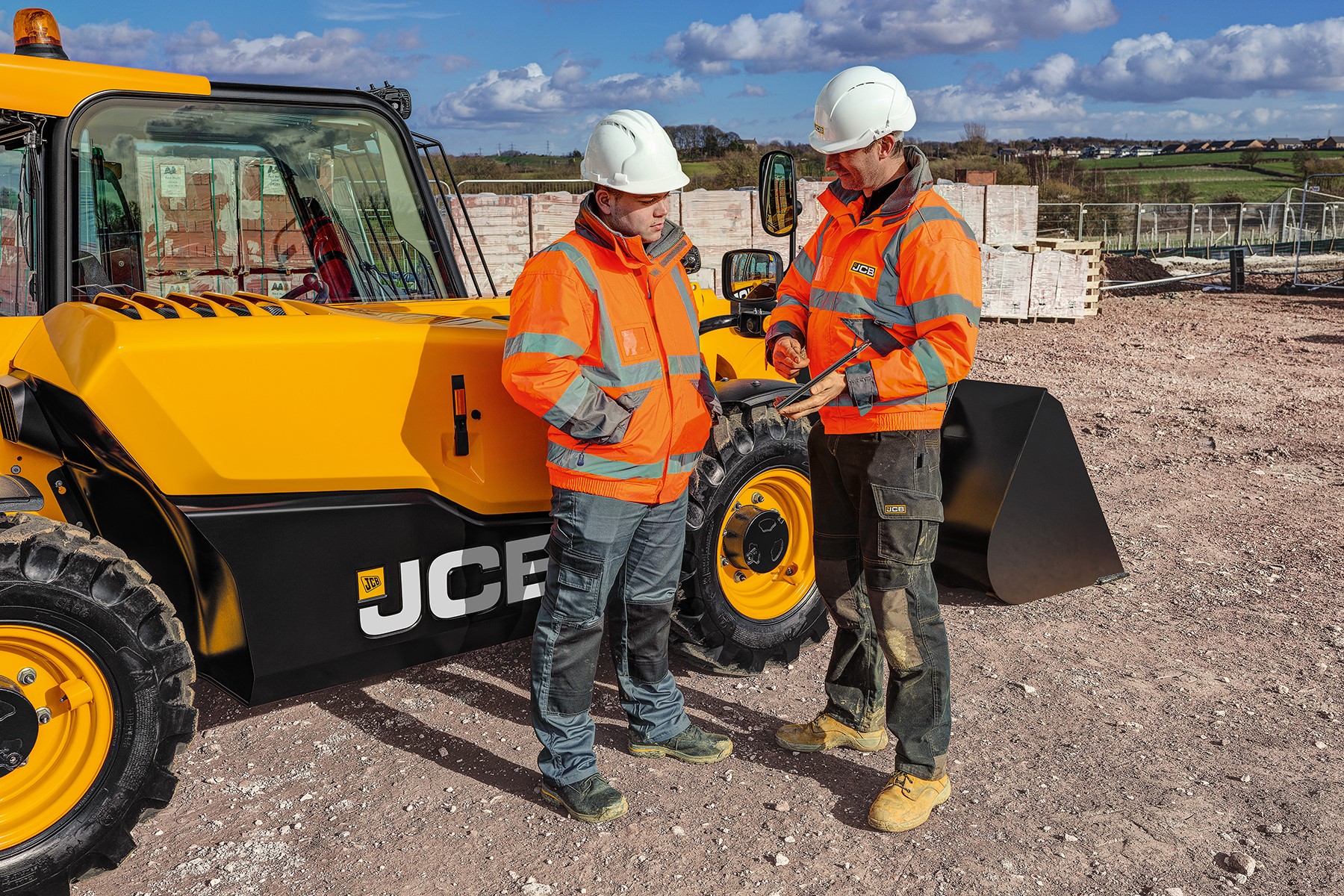
Missed hours quickly compound under pressure. A combine down for one day due to a feeder chain issue can delay progress across multiple fields. A few repeat slowdowns often cost more than expected, both in yield and stress.
It’s also worth comparing machine output against field conditions. If a tractor lagged in coverage despite good weather and available labor, there may be an issue with size, horsepower, or overall match to the task. Every machine should support—not limit—your workflow.
Repeated fixes often mark the tipping point for aging equipment. While repairs can extend a machine’s lifespan, long-term efficiency usually reveals when it’s time to move on. Reviewing performance metrics, downtime frequency, and output trends helps make that call with confidence.
Measure Fuel Efficiency and Hidden Maintenance Costs
Fuel costs might seem inevitable, but that doesn’t mean they’re out of your control. Reviewing your farm equipment for fuel efficiency can reveal which machines are draining resources. Some units quietly rack up costs without showing obvious signs.
Older engines often consume diesel fuel more quickly than modern Tier 4 Final models, even when producing similar torque. Comparing fuel use with maintenance needs, such as extra fluids or filters, can reveal where upgrades might yield a return on investment. Sometimes the fuel bill is only part of the equation.
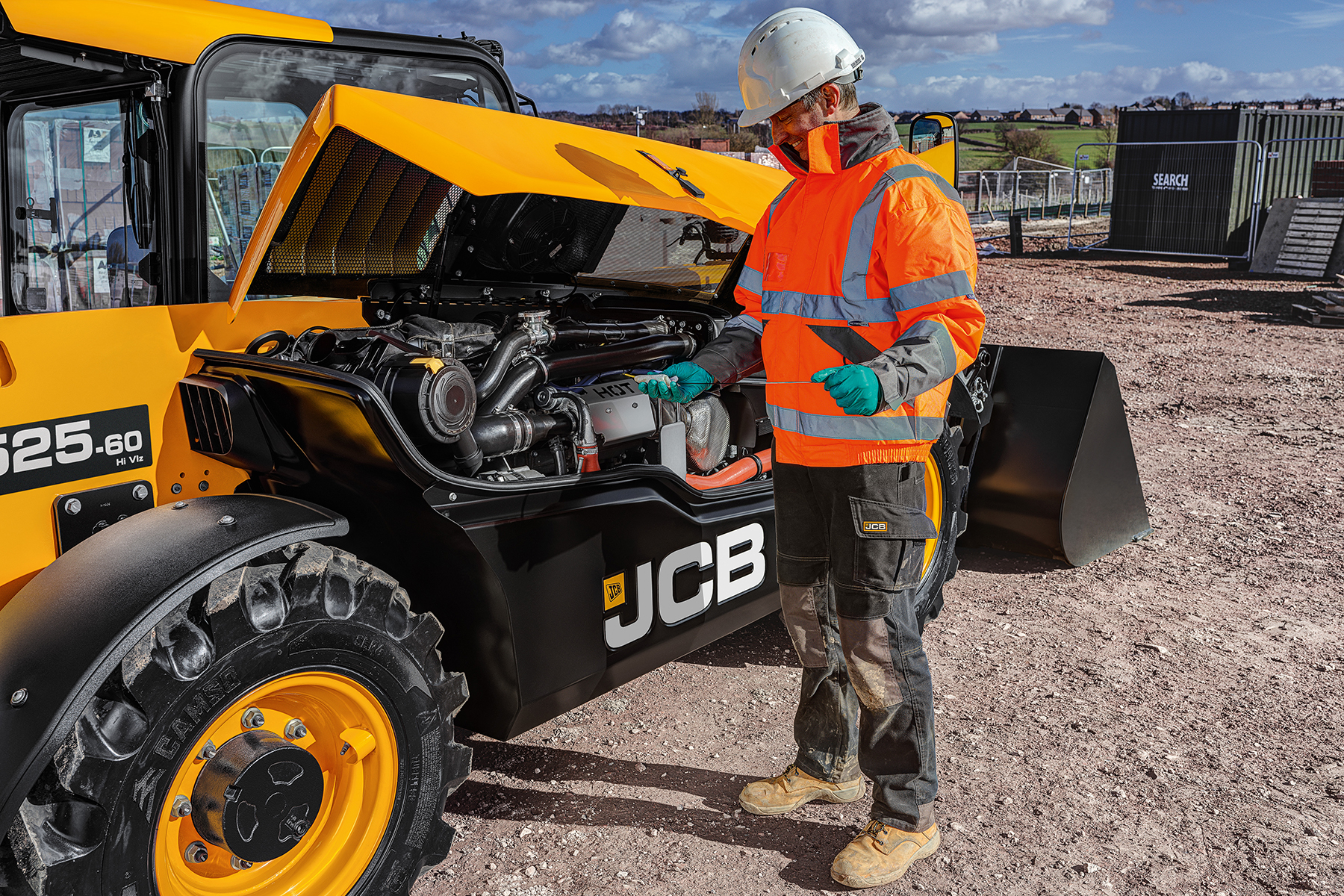
Maintenance logs are another valuable source of insight. Even machines that didn’t break down may have required frequent belt changes, fluid top-offs, or wiring repairs. These repeated tasks still chip away at your time and labor budget.
Preventive equipment servicing helps avoid costly mid-season disruptions. Addressing small issues early can protect your schedule, your team, and your long-term equipment health. Proactive upkeep pays off in more ways than one.
Evaluate Whether Your Equipment Matches Your Operation’s Scale
Some farms outgrow their equipment without realizing it. If your farm equipment couldn’t keep pace this season due to long working hours or limited capacity, it may be time to reassess what you’re running. Growth requires tools that can keep up.
Ask yourself if your farm equipment allowed you to finish planting on schedule. Were your grain carts or sprayers large enough to match your acreage? If not, limited capacity may have cost you valuable productivity.
Equipment that’s slightly underpowered or undersized might not break down, but it can still create costly bottlenecks. Too many passes, slow turnarounds, or frequent stops eat into fuel and labor budgets. Over time, these inefficiencies reduce your ROI.
If upgrading feels out of reach, financing options can offer a practical path forward. Exploring flexible solutions allows you to scale responsibly without compromising future growth. Planning for scalability now supports smoother seasons ahead.
Listen to Operator Feedback on Usability and Comfort
Operator insight is often overlooked during equipment reviews. Yet how your farm equipment feels to operate affects both performance and crew morale, especially during long, demanding days. Comfort, visibility, and responsiveness can make or break productivity in the field.
Ask your team for input on comfort, visibility, and ease of control. Comments about stiff levers, limited visibility, or a rough ride may seem small but signal larger usability concerns. These firsthand experiences provide valuable clues that shouldn't be dismissed.
Today’s machines often include ergonomic seating, touchscreen displays, and controls designed for faster response and less fatigue. If your crew struggled to stay efficient after 8 to 10 hours in a machine, it might be time to reconsider your current layout. Proper equipment servicing also plays a role in reducing operator fatigue, which impacts both performance and safety.
When operators feel supported by their equipment, the entire season runs more smoothly. Prioritizing usability doesn’t just improve comfort; it directly supports speed, safety, and output. Listening to your crew’s feedback now helps shape better decisions for next year.
Watch for Recurring Issues That Point to Bigger Problems
Recurring mechanical problems aren’t just inconvenient—they’re usually a warning. If your farm equipment required frequent fixes to hydraulics, bearings, belts, or software, it’s likely time to look deeper. Consistent repairs often signal deeper mechanical fatigue or outdated components.
One-off failures can often be chalked up to heavy use or bad luck. But if the same sensor malfunctions twice or a PTO issue resurfaces every few weeks, there’s usually a larger wear issue at play. Repeating patterns like these are your cue to investigate root causes, not just symptoms.
Also, pay attention to how well older equipment integrates with new attachments or implements. Compatibility hiccups such as GPS sync delays or monitoring any misreading often slow down jobs and frustrate operators. These mismatches can lead to both time loss and equipment stress over time.
Making informed adjustments to your farm equipment now can prevent those problems from reappearing next year. Addressing systemic issues before they escalate puts you in control when the season starts back up. A proactive approach today can mean a smoother, more productive year ahead.
Set Up Your Farm Equipment for a Better Year
Looking back isn’t about regret—it’s about preparation. Taking time to review farm equipment performance allows you to identify where machines excelled and where improvements are needed. This kind of reflection helps ensure your operation runs smoother, faster, and more cost-effectively in the future.
By pinpointing the right upgrades, prioritizing service, and aligning equipment with your goals, you reduce uncertainty before another season begins. Whether it’s adjusting your maintenance strategy or rethinking scale and fit, small changes made now can lead to big gains later. Even minor inefficiencies can add up when left unaddressed.
Let us equip your operation with field-tested advice, custom service plans, and tools that work for your acres, budget, and timeline. Schedule a visit or give us a call to explore how Windridge Implements can support your success next season.