

Proper preparation of farm equipment for winter storage ensures machines remain reliable throughout harsh winter months. Cold temperatures, moisture, and corrosion can damage engines, hydraulics, tires, and electronics if ignored. Performing preventive maintenance now reduces costly repairs and downtime during spring fieldwork.
Seasonal maintenance is an investment that prolongs machine life and maximizes return on every piece of equipment. Planning ahead allows farmers to begin spring operations efficiently and without unexpected delays. Thoughtful winterization improves operational reliability while preserving the value of all farm machinery.
What Is Farm Equipment for Winter Storage and Why Does It Matter?
Proper farm equipment for winter storage protects engines, hydraulics, tires, and electronics from damage during the off-season. Machines that are cleaned, lubricated, and stored correctly resist rust, battery failure, and fluid degradation. Following these steps ensures machinery starts efficiently and performs reliably during spring fieldwork.
How Should Equipment Be Cleaned Before Storage?
Thorough cleaning before farm equipment for winter storage prevents rust, corrosion, and component deterioration effectively. Pressure washing radiators, cutting components, and drive parts ensures all debris is removed efficiently. Drying machines completely reduces moisture buildup that can damage systems during the off-season.
Cleaning hard-to-reach areas allows early detection of cracks, leaks, or worn components on machinery. Proper surface maintenance protects paint, reduces rust formation, and ensures long-term reliability. Using quality lubricants and fluids from Windridge Bulk Oils & DEF Programs supports routine cleaning and establishes a strong foundation for preventive maintenance during winter storage.

Cleaning practices improve inspections and help identify minor repairs that prevent major springtime issues. Following manufacturer-recommended procedures enhances operational performance and ensures modern farm equipment supports soil health and conservation goals. Consistent cleaning reduces costly breakdowns and preserves overall machine longevity for reliable spring operations.
Why Are Oil, Filter, and Lubricant Changes Critical?
Old oil, filters, and greases trap contaminants that can damage hydraulic and engine systems during farm equipment for winter storage. Replacing these fluids protects seals, reduces friction, and keeps moving parts working properly. Fresh lubricants prevent corrosion and extend machine life.
Fuel stabilization prevents gelling and protects engines from cold-weather failures. Following manufacturer guidelines and performing regular farm equipment servicing ensures machinery lasts longer and runs efficiently. Proper fluid maintenance avoids startup problems and costly repairs in spring.
Routine service improves hydraulic performance and engine efficiency while reducing wear on components. Seasonal maintenance also prevents corrosion and damage while machines are idle. Completing these tasks ensures machinery is reliable for spring operations.
Replacing filters and greases prevents buildup that could restrict flow or damage parts. Observing service intervals keeps engines and hydraulics protected consistently. Performing these steps now improves readiness and reduces downtime next season.
Where to Store Farm Equipment for Winter Storage
Indoor, dry, and ventilated storage offers the best winter protection. Following practical tips for winterizing your farm equipment, like temperature-controlled areas, prevents corrosion and reduces tire and seal damage. Covered outdoor storage works if equipment is elevated and shielded from moisture.
Organizing storage allows airflow, reduces condensation, and enables quick inspections. Moisture absorbers prevent water buildup in enclosed spaces. Machines should be positioned to avoid contact and potential damage.
Good planning limits pest intrusion that can harm wiring, hoses, or rubber parts during farm equipment for winter storage. Leaving space between machines improves safety and eases seasonal checks. These steps help preserve condition and readiness for spring.
Proper storage prevents system deterioration and improves operational reliability. Efficient layouts maintain accessibility while maximizing space. Routine inspections protect equipment from unexpected winter damage.
How Can Tires, Batteries, and Hydraulics Be Protected?
Cold weather can cause tires to harden, deflate, or develop cracks and flat spots. Inflate tires to manufacturer specifications and use blocks to relieve pressure during storage. Storing batteries in warm, dry areas helps maintain charge and prevents full discharge.
Hydraulic systems benefit from fresh fluid and winter-grade lubricants that prevent seal drying and corrosion. Checking hoses, cylinders, and fittings now avoids leaks or failures and helps multi-use farm equipment improve efficiency in field work. Proper component care ensures reliable performance and reduces unexpected downtime.
Maintaining tire pressure and battery capacity preserves mechanical integrity for spring fieldwork. Hydraulic inspections catch early wear and prevent costly repairs. Winter preparation keeps machines ready for safe and efficient operation.
Off-season maintenance also reduces damage from temperature changes during farm equipment for winter storage. Careful attention ensures consistent performance and prevents avoidable failures. These steps improve overall equipment reliability during idle periods.
When Should Inspections and Minor Repairs Be Scheduled?
Winter storage provides an ideal opportunity to inspect machinery thoroughly and prepare for the upcoming season. Performing timely inspections ensures small issues are identified before they escalate into costly problems. Addressing minor repairs now improves reliability and keeps equipment ready for spring operations.
To stay organized and effective, consider these key inspection and minor repair steps:
-
Check Belts and Bearings: Inspect all belts, bearings, and drive components for wear or misalignment before storing machines.
-
Examine Tires and Wheels: Verify tire pressure, look for cracks, and ensure wheels are in good condition to prevent spring issues.
-
Test Electronics and Controls: Inspect wiring, sensors, and control systems to avoid failures when fieldwork resumes.
-
Inspect Hydraulics and Hoses: Look for leaks, worn hoses, or damaged fittings to maintain safe and efficient hydraulic performance.
-
Document and Track Repairs: Create a checklist to track completed inspections and repairs, ensuring nothing is overlooked during farm equipment for winter storage.
Completing these inspections prevents minor problems from escalating and maximizes machinery performance next season. Consistent checks and early repairs reduce downtime and protect your equipment investment.
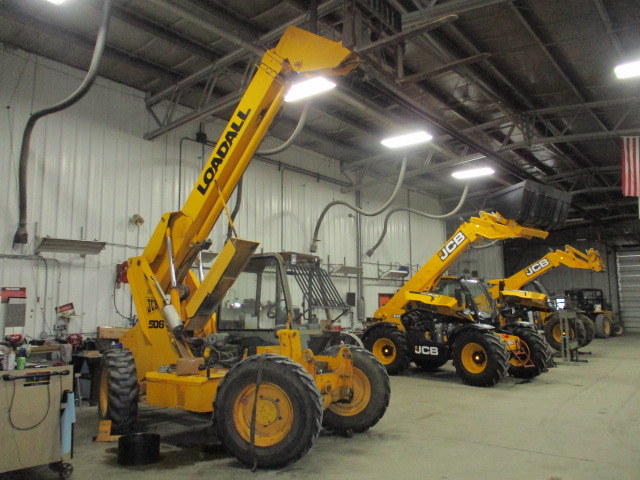
Steps for Preparing Farm Equipment for Winter Storage
Proper preparation of farm equipment for winter storage helps machines remain reliable and operational throughout the off-season. Taking the right steps now reduces springtime downtime and prevents costly repairs. Following a structured winterization process protects every major system on your machinery.
Here are key steps to follow when preparing farm equipment for winter storage:
-
Thorough Cleaning: Remove dirt, debris, and residues from all surfaces, including hard-to-reach areas, to prevent rust and corrosion.
-
Fluid and Lubricant Service: Replace oils, filters, and greases to protect engines, hydraulics, and moving components.
-
Battery and Tire Care: Maintain battery charge, inflate tires to recommended pressure, and relieve stress on tires during storage.
-
Proper Storage Location: Store machines in dry, ventilated, or temperature-controlled areas to reduce moisture damage and deterioration.
-
Inspection and Minor Repairs: Check belts, hoses, electronics, and other components, performing necessary repairs before storage to ensure spring readiness.
Following these steps ensures your machinery stays in top condition and is ready for efficient spring operations. Consistent winter preparation maximizes equipment longevity and protects your investment.
Preserving Machinery and Preparing for Spring
Winter storage protects engines, hydraulics, tires, and electronics from damage during farm equipment for winter storage. Proper cleaning, lubrication, inspections, and storage routines prevent corrosion and component failures. Following these practices ensures machinery starts efficiently and operates reliably during spring operations.
Professional guidance can tailor off-season preparation to each machine’s needs for farm equipment for winter storage. Windridge Implements offers comprehensive winterization services for Case IH, JCB, Hustler, and Brent equipment. Contact your Cresco, Decorah, or Elkader dealership to schedule winter storage preparation and keep your machinery ready for peak performance.