

Spring initiates a pivotal phase in the agricultural calendar, demanding peak efficiency from all machinery. Ensuring farm equipment readiness through maintenance is crucial to capitalize on optimal planting windows and favorable weather conditions. Neglecting maintenance can lead to unexpected breakdowns, disrupting schedules, and impacting crop yields. A proactive approach to equipment care safeguards against such setbacks, promoting uninterrupted operations.
Implementing a structured maintenance regimen involves systematic inspections, timely servicing, and access to quality parts. Collaborating with knowledgeable service providers enhances this process, offering expert insights and support. Such partnerships ensure that machinery operates at optimal performance levels throughout the season. Investing in maintenance not only preserves equipment longevity but also contributes to overall farm productivity.
Scheduled Farm Equipment Maintenance to Ensure Reliability
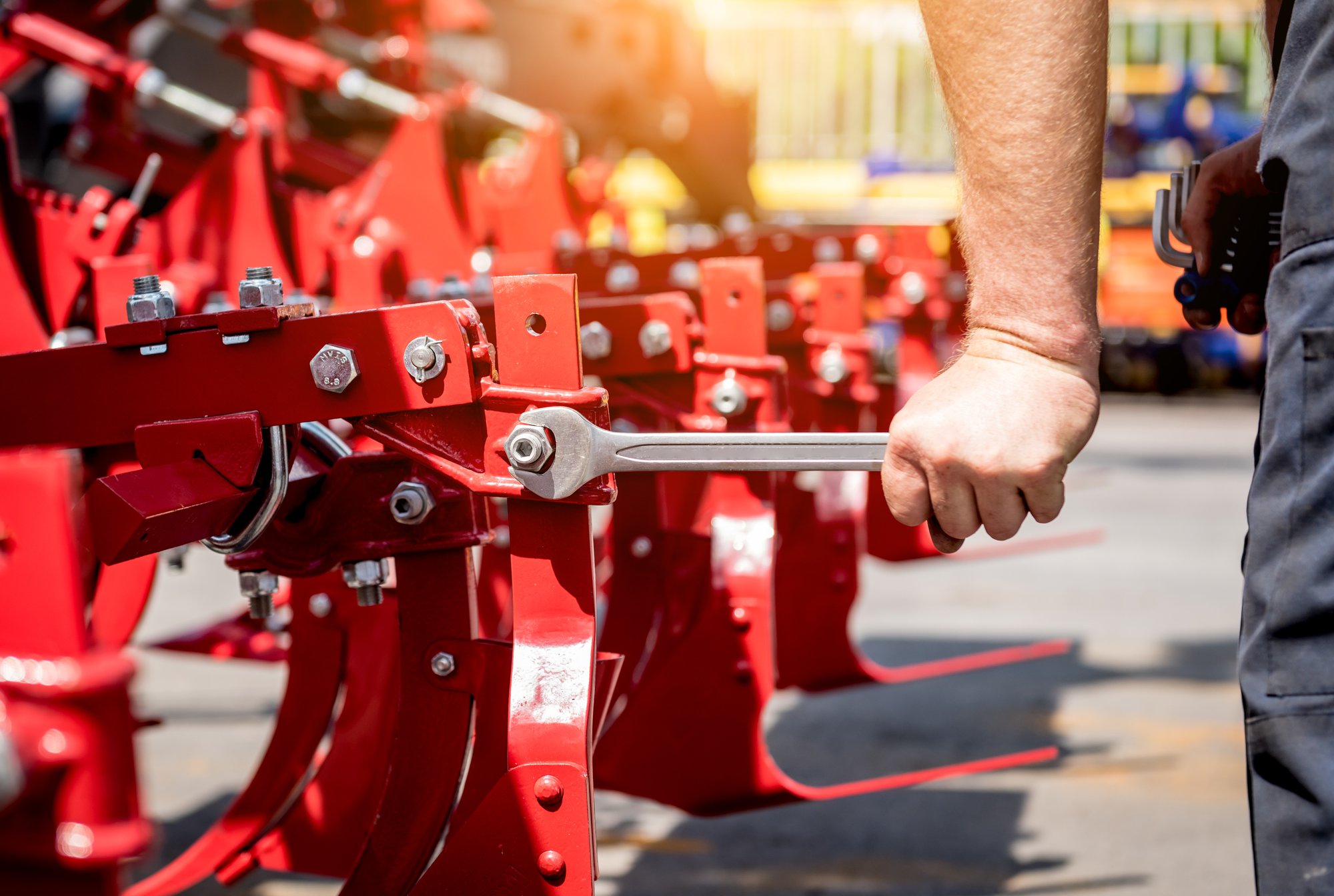
Establishing a routine farm equipment maintenance schedule is fundamental to reliability and longevity. Regular inspections of engines, hydraulics, and electrical systems can identify potential issues before they escalate. Lubricating moving parts and replacing filters according to the manufacturer’s guidelines helps prevent wear and tear. These practices collectively reduce the risk of unexpected failures during critical farming operations.
Monitoring tire pressure and tread wear is crucial for maintaining fuel efficiency and ensuring optimal field traction. Properly inflated and maintained tires minimize soil compaction and enhance maneuverability. Attention to these details contributes to smoother operations and prolonged equipment life. Consistent tire maintenance also supports operator safety in varying field conditions.
Battery health is another critical aspect, especially after periods of inactivity. Testing charge levels and cleaning terminals can prevent starting issues and electrical malfunctions. Replacing aging batteries proactively avoids unexpected delays during peak activity. Incorporating battery checks into the maintenance routine ensures readiness for spring tasks.
Documenting all maintenance activities provides a valuable reference for future servicing. Detailed records help track the lifespans of components and schedule timely replacements. A well-documented maintenance history can also enhance resale value and buyer confidence.
Access to Quality Parts to Minimize Downtime
Availability of high-quality replacement parts is crucial for minimizing equipment downtime during the busy spring season. Sourcing parts from reputable suppliers guarantees compatibility and adherence to performance standards during farm equipment maintenance. Utilizing genuine parts reduces the risk of premature failures and maintains equipment warranties. Establishing relationships with trusted parts providers facilitates quick procurement when time is of the essence.
Maintaining an inventory of commonly used parts can expedite repairs and maintenance tasks. Stocking items such as filters, belts, and hoses allows for immediate replacements when needed. Regularly reviewing and updating inventory ensures readiness for unforeseen repairs.
Understanding the specifications and compatibility of parts is essential for adequate replacements. Consulting equipment manuals and supplier resources helps in accurately identifying parts. Incorrect parts can lead to suboptimal performance or further damage. Engaging knowledgeable support staff can assist in selecting appropriate components.
Implementing a parts management system streamlines tracking and reordering processes. Digital tools can monitor stock levels and predict future needs based on usage patterns. Effective parts management contributes to uninterrupted farming operations.
Expert Support Services for Better Farm Equipment Performance Post-Maintenance
Access to skilled technicians is vital for addressing complex farm equipment maintenance issues promptly and effectively. Professional servicing ensures that repairs are conducted accurately, minimizing the risk of recurring problems. Technicians can also provide insights into optimizing equipment settings for specific tasks. Engaging expert support enhances overall machinery performance and reliability.
Scheduled service visits can identify potential problems before they result in equipment failure. Technicians perform comprehensive inspections and recommend necessary adjustments or repairs. Regular professional assessments are integral to a robust maintenance strategy.
Training opportunities offered by equipment providers can empower operators with the knowledge and skills necessary for practical equipment usage and maintenance. Understanding proper usage and maintenance techniques is crucial for ensuring the longevity of equipment. Educational resources may include workshops, manuals, and online tutorials. Investing in operator training supports efficient and safe operation of machinery.
Establishing a relationship with a reliable service provider ensures prompt assistance when issues arise. Clear communication channels and service agreements facilitate swift response times, allowing farmers to focus on their core agricultural activities. Confidence in support services enables farmers to concentrate on their primary agricultural tasks. Strong partnerships with service experts are a cornerstone of successful farm management.
Seasonal Equipment Preparation
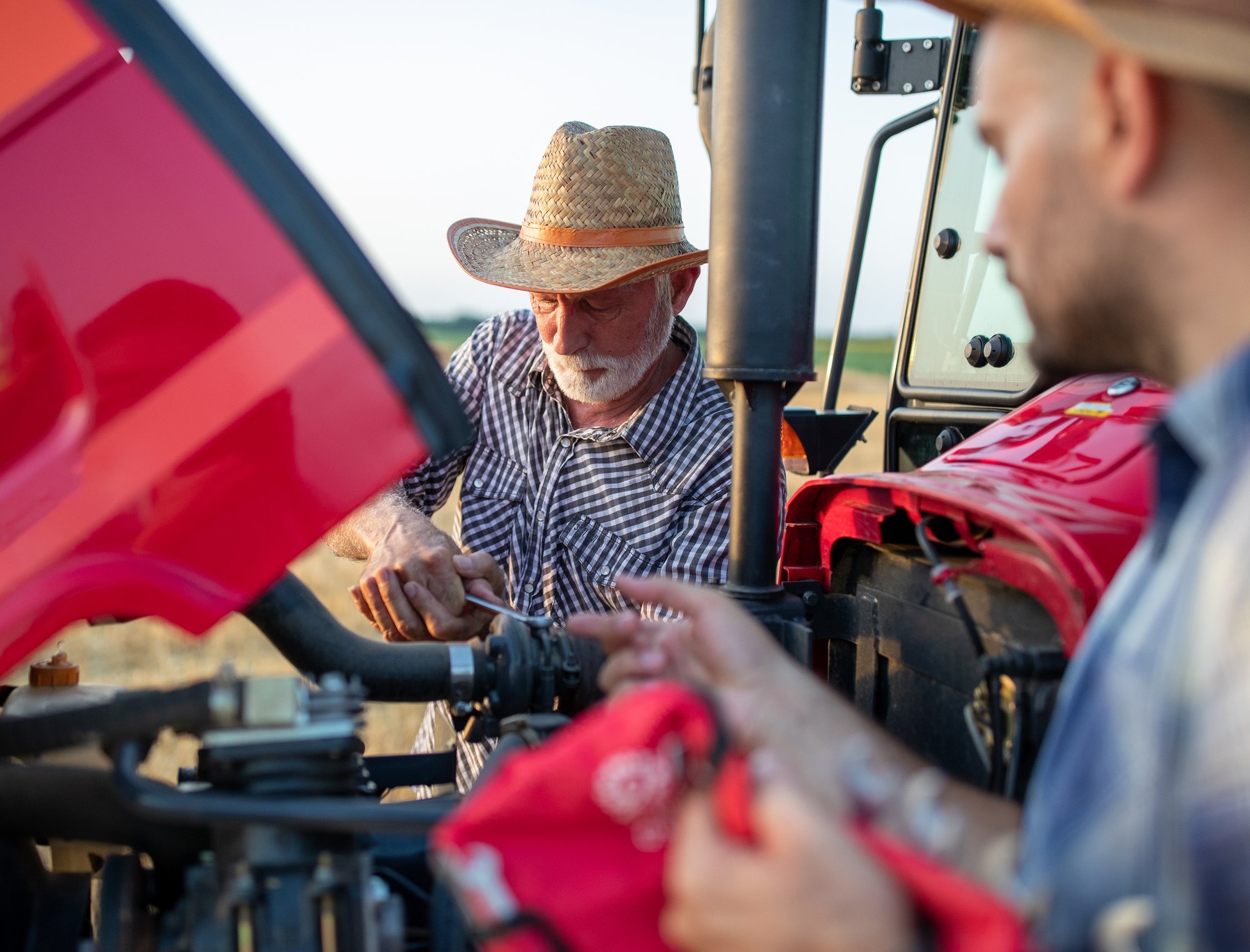
Transitioning from winter storage to spring readiness through farm equipment maintenance involves specific preparation steps. Thorough cleaning removes debris and prevents corrosion, thereby preserving the integrity of the machinery. Inspecting for rodent damage to wiring and hoses is essential after storage periods. Addressing these issues early ensures equipment is ready for immediate use.
Calibrating planting and application equipment is critical for accurate operations. Ensuring correct seed spacing and chemical application rates supports optimal crop establishment. Calibration involves adjusting settings based on manufacturer guidelines and field conditions. Regular calibration checks maintain consistency throughout the planting season.
Updating software and firmware on precision agriculture equipment enhances functionality. Manufacturers often release updates that improve performance and fix known issues. Keeping systems current ensures compatibility with new technologies and data formats. Regular updates are a key aspect of modern equipment maintenance.
Testing equipment in a controlled environment before field deployment identifies potential problems. Trial runs allow for adjustments and fine-tuning without the pressure of active fieldwork. Early detection and resolution of issues support a smooth transition into the growing season.
Leveraging Technology for Efficient Farm Equipment Maintenance Management
Integrating digital tools into maintenance routines enhances efficiency and accuracy. Maintenance management software can schedule tasks, track service history, and alert for upcoming needs. These systems provide a centralized platform for organizing maintenance activities. Utilizing technology streamlines processes and reduces the likelihood of oversight.
Remote monitoring capabilities enable real-time equipment diagnostics, allowing sensors to detect performance anomalies and notify operators of potential issues. Early detection facilitates timely interventions, preventing minor problems from escalating. Remote diagnostics support proactive maintenance strategies and reduce downtime.
Data analytics can inform maintenance decisions by identifying patterns and predicting component lifespans. Analyzing usage data helps prioritize maintenance tasks and allocate resources effectively. Predictive maintenance approaches reduce unexpected failures and optimize equipment availability. Data-driven strategies are increasingly integral to modern farm management.
Training staff to utilize maintenance technologies ensures the effective implementation of these technologies. Providing education on software tools and diagnostic equipment empowers teams to manage maintenance proactively. Continuous learning and adaptation are essential as technology evolves. Investing in staff development supports the successful integration of maintenance innovations.
Optimize Your Farm Equipment for Spring
Implementing a comprehensive farm equipment maintenance strategy is essential for maximizing productivity and minimizing downtime during the spring season. Proactive maintenance, access to quality parts, expert support, seasonal preparation, and leveraging technology collectively contribute to equipment reliability. Farmers and agricultural businesses benefit from partnerships with providers who offer integrated solutions tailored to their operational needs. Engaging with Windridge Implements ensures access to a full range of equipment, precision farming technology, expert service, and a comprehensive parts department, all designed to keep operations running smoothly. Talk to us today.