

Preparing soil thoroughly ensures crops establish quickly and develop strong roots throughout the season. A field cultivator can create uniform soil conditions while managing weeds effectively before planting begins. Farmers who optimize their equipment usage experience smoother planting and improved long-term yields consistently.
Choosing the proper implement requires matching depth, width, and tine design to your soil type. Proper planning minimizes compaction, enhances aeration, and ensures seeds are placed in optimal conditions. Experienced operators understand small adjustments in cultivator settings can significantly improve early crop performance.
What Makes the Right Field Cultivator Essential for Planting?
Selecting the proper field cultivator prepares your soil for planting while improving efficiency across the field. Proper width, depth, and shank design reduce compaction and support even crop emergence. Considering transport and attachment compatibility ensures smooth movement between fields and minimal downtime, especially when integrating different equipment lines for varied operations.
How Do Soil Aeration and Compaction Affect Crops?
Loosened soil improves root access to nutrients and water, promoting vigorous early growth. A field cultivator prevents compaction layers that hinder crop development during critical establishment phases. Applying effective row crop cultivator techniques further enhances soil health and maintains proper tilth across the field.
Properly aerated soil increases microbial activity, enhancing natural nutrient cycling and soil fertility. Healthy microbes help decompose crop residues while maintaining a sustainable soil ecosystem. Maintaining aeration consistently improves long-term productivity and soil resilience against erosion.
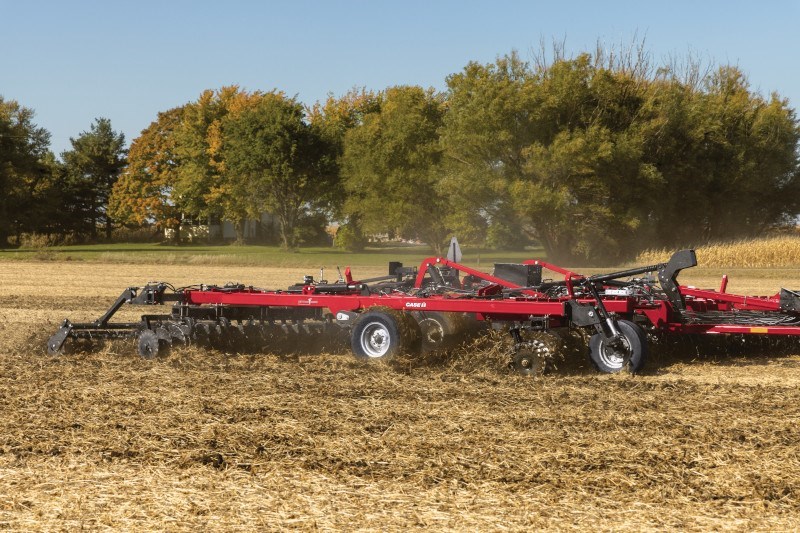
Compacted soils reduce oxygen availability, slowing early growth and increasing susceptibility to stress. Adjusting tine depth and spacing allows for effective cultivation without over-disturbing the field surface. Optimal aeration reduces the likelihood of crop failure during variable spring conditions.
Farmers should monitor soil moisture closely before tillage to prevent smearing or clumping. Proper timing ensures aeration is effective and reduces fuel usage. Attentive cultivation supports stronger, healthier crops with minimal replanting requirements.
What Role Do Shank and Tine Designs Play in Soil Preparation?
Shank and tine designs determine how effectively a field cultivator prepares soil and manages weeds. Selecting the correct type influences soil structure, aeration, and residue incorporation across the field. Using a field cultivator suited to your farm’s size and crops ensures the shank and tine setup matches operational demands.
Consider these five key factors when evaluating shank and tine designs:
-
Spring-loaded tines flex over obstacles to prevent breakage while maintaining uniform soil depth.
-
Stiffer shanks penetrate compacted soils, making them ideal for heavy clay or high-residue conditions.
-
Tine spacing affects soil texture, with closer spacing producing finer tilth and wider spacing reducing drag.
-
Adjustable shanks allow operators to adapt to variable soil conditions efficiently across different fields.
-
Durability and wear resistance minimize maintenance needs and extend the implement’s overall operational life.
Choosing the right combination of shanks and tines improves planting consistency and crop establishment. Proper attention to design reduces fuel usage and ensures reliable field performance over multiple seasons.
How Should Transport and Mobility Be Factored In?
Efficient transport features reduce downtime when moving equipment between distant fields. Folding frames and transport locks ensure safety during road travel and prevent damage. Operators can also explore used planting and seeding equipment for cost-effective solutions that complement their field cultivator.
Considering width and weight is essential to comply with local road limits and regulations. Transport efficiency saves time, allowing operators to focus on fieldwork rather than logistics. Safe mobility also minimizes soil compaction along access roads and field edges.
Proper attachment and hitch compatibility simplify loading and unloading, improving workflow efficiency. Ensuring smooth connections reduces wear on hydraulic systems and prevents operational delays. This flexibility allows operators to adjust to variable field conditions quickly.
Good transport design contributes to overall planting success by reducing setup time. Efficient relocation ensures the field cultivator is ready when needed most. Optimizing mobility supports consistent soil preparation and timely planting schedules.
Maintenance Tips to Extend Your Field Cultivator’s Life
Routine maintenance is essential to keep your field cultivator operating efficiently throughout planting season. Regular inspections prevent unexpected breakdowns and ensure consistent soil preparation. Following simple upkeep practices saves time, reduces repair costs, and improves overall performance.
Follow these five maintenance tips to extend the life of your field cultivator:
-
Inspect tines and shanks regularly to identify wear or bending before it affects soil performance.
-
Check bolts and hydraulic connections frequently to ensure everything remains securely fastened and operational.
-
Lubricate moving parts on a routine schedule to prevent rust and reduce friction-related damage.
-
Store equipment properly in a dry, sheltered area to minimize exposure to moisture and corrosion.
-
Adjust depth and alignment settings as needed to maintain consistent operation and prevent uneven wear.
Consistently applying these maintenance practices preserves equipment reliability and performance. A disciplined routine also supports safety and helps maximize productivity during busy planting periods.
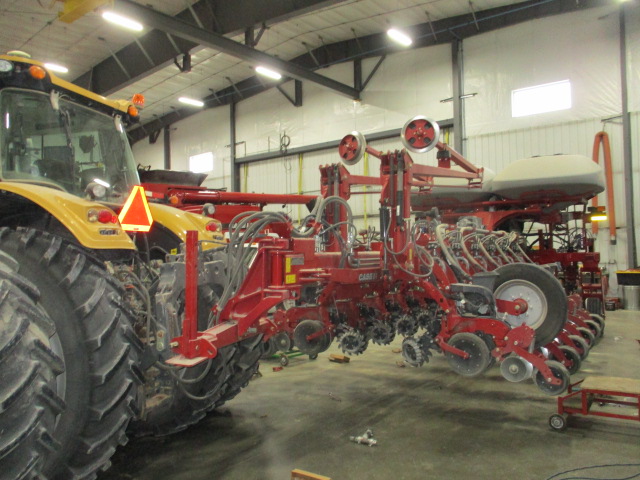
Choosing a Field Cultivator That Matches Your Operation
Farm size and soil type determine the most suitable implement for efficient cultivation. Smaller farms may prioritize lightweight, versatile models, while larger acreage requires heavy-duty designs. Operators can improve productivity by understanding how Case IH tractors support year-round farming, ensuring compatibility with their field cultivator.
Advanced precision features such as variable depth control or GPS integration enhance performance. Consistent cultivation across irregular fields saves time and optimizes seed placement. Operators can fine-tune settings to ensure uniform soil conditions for each crop.
Properly matched equipment reduces unnecessary passes and maintains soil structure. Adjustable tine and shank configurations allow adaptability for different crop rotations. Thoughtful equipment selection maximizes productivity and long-term return on investment.
Farmers should also consider durability, maintenance, and reliability when selecting machinery. Robust design ensures efficient operation even under challenging conditions. Choosing the right field cultivator supports sustainable and profitable farming practices.
Preparing Your Fields for a Productive Season
Thorough soil preparation ensures crops establish evenly and reduces early-season setbacks. Proper depth, tine design, and aeration create optimal conditions for root growth and nutrient uptake. Consistent attention to soil preparation minimizes the need for replanting or corrective tillage.
For farmers seeking expert guidance and dependable equipment, Windridge Implements offers high-quality field cultivators and practical advice. Explore available models and discuss your field’s specific needs with our experienced team. Contact us today to secure the right tools for a successful planting season.