
Soil preparation stands as a cornerstone of successful farming operations. Selecting the appropriate tiller type ensures efficient soil management, directly impacting crop yields and overall farm productivity. With various tiller options available, understanding their specific applications becomes crucial for optimal performance. Each tiller type offers unique benefits tailored to different soil conditions and farming needs.
Farmers must consider factors such as soil type, field size, and intended crop when choosing tillage equipment. The right tiller not only enhances soil structure but also promotes better water infiltration and root development. Investing in suitable tillage tools leads to long-term benefits, including reduced labor costs and improved crop health. A well-informed decision in tiller selection lays the foundation for a successful planting season.
Understanding Primary and Secondary Tillage
Primary tillage involves the initial breaking of soil to prepare for planting, often using heavy-duty equipment. This process addresses soil compaction and incorporates crop residues, creating a favorable environment for seed germination. Secondary tillage follows, refining the soil to a finer texture suitable for seeding. Both stages are essential for establishing optimal seedbeds and ensuring uniform crop emergence.
Different tiller types cater to these stages; for instance, moldboard plows are effective for primary tillage, while harrows serve well in secondary tillage. Selecting the appropriate equipment for each stage enhances soil conditions and promotes efficient planting. Understanding the distinction between these tillage processes aids in choosing the right tools for specific farming practices. Proper implementation of both tillage stages contributes to sustainable land management.
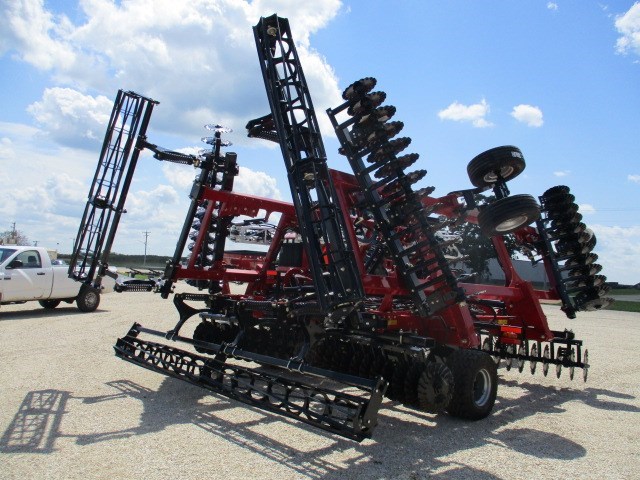
Soil type and moisture levels influence the effectiveness of tillage operations. Heavy clay soils may require more aggressive primary tillage, whereas sandy soils benefit from minimal disturbance. Monitoring soil conditions ensures timely and effective tillage, preventing issues like erosion or nutrient loss. Adapting tillage practices to soil characteristics optimizes field performance.
Incorporating cover crops and organic matter during tillage enhances soil fertility and structure. These practices support microbial activity and improve nutrient cycling, contributing to long-term soil health. Integrating such strategies within tillage operations aligns with sustainable agriculture goals. Farmers benefit from improved yields and reduced input costs through enhanced soil management.
Evaluating Tiller Types for Specific Needs
Rear-tine tillers, known for their power and depth, are suitable for breaking new ground and handling compacted soils. Their design allows for deeper soil penetration, making them ideal for larger plots and initial land preparation. Front-tine tillers offer greater maneuverability, fitting for smaller gardens and lighter soil tasks. These tillers excel in established beds where less aggressive tillage is required.
Mini-tillers or cultivators serve well in tight spaces and for tasks like weeding or mixing soil amendments. Their lightweight design allows for easy handling, reducing operator fatigue during extended use. These tools are particularly beneficial for raised beds or greenhouse applications. Choosing the right tiller size and type ensures efficiency and prevents soil over-disturbance.
Power source considerations, such as gas, electric, or battery-operated models, impact tiller performance and suitability. Gas-powered tillers offer robust performance for extensive tasks, while electric models provide quieter operation with less maintenance. Battery-powered tillers combine mobility with environmental benefits, suitable for smaller-scale operations. Assessing power needs and operational scope guides appropriate tiller selection.
Adjustable tilling widths and depths enhance versatility, allowing customization for various crops and soil conditions. Features like counter-rotating tines improve soil mixing and reduce clumping, promoting better seedbed preparation. Evaluating these features in relation to specific farming requirements ensures optimal equipment performance. Investing in adaptable tillers supports diverse agricultural practices and crop rotations.
Matching Tiller Features to Soil Conditions
Soil composition significantly influences tiller effectiveness; heavy clay soils demand powerful tillers with sturdy tines for adequate penetration. Sandy soils, being less dense, require lighter tillage to prevent overworking and erosion. Loamy soils, with balanced texture, respond well to a variety of tillage methods, offering flexibility in equipment choice. Understanding soil characteristics ensures the selection of compatible tillage tools.
Moisture content affects tillage outcomes; overly wet soils can lead to compaction, while dry soils may resist penetration. Timing tillage operations during optimal moisture conditions prevents soil structure damage and promotes effective preparation. Monitoring weather patterns and soil moisture levels aids in scheduling tillage activities. Proper timing enhances tiller performance and soil health.
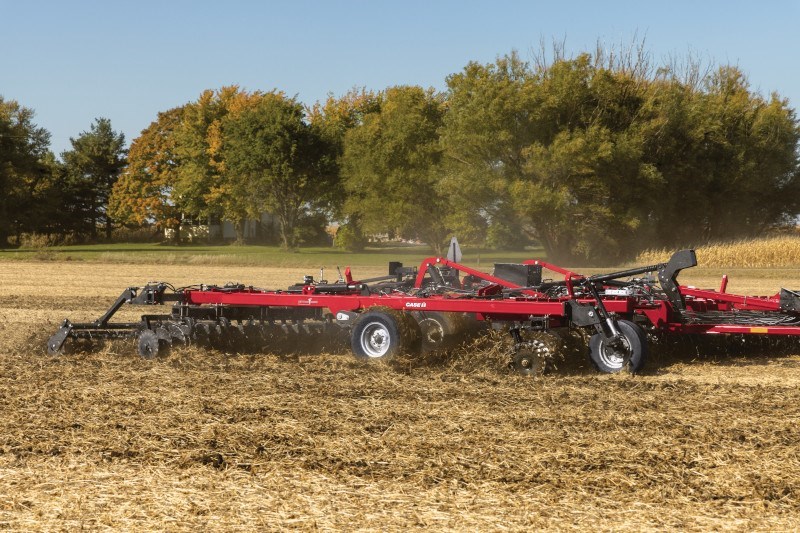
Field topography and the presence of obstacles like rocks or roots necessitate specific tiller features. Models with adjustable depth settings and robust construction handle uneven terrain and debris effectively. Selecting tillers with these capabilities ensures consistent tillage across varied field conditions. Durable equipment reduces downtime and maintenance costs.
Incorporating soil amendments during tillage improves fertility and structure; tillers with integrated applicators streamline this process. Even distribution of compost or fertilizers during tillage enhances nutrient availability for crops. Choosing tillers compatible with amendment applications supports efficient soil management. Integrated systems save time and labor in field operations.
Integrating Tillers into Sustainable Farming Practices
Conservation tillage practices, such as reduced or no-till methods, aim to minimize soil disturbance and preserve organic matter. Selecting tillers that support these practices contributes to long-term soil health and erosion control. Equipment designed for shallow tillage aligns with sustainable agriculture goals. Implementing these methods enhances biodiversity and water retention in soils.
Cover cropping combined with appropriate tillage improves soil structure and suppresses weeds. Tillers capable of handling residue from cover crops facilitate their integration into cropping systems. Managing cover crops effectively requires equipment that can incorporate biomass without clogging. Proper tiller selection supports the benefits of cover cropping strategies.
Precision agriculture technologies, when integrated with tillage equipment, optimize field operations and resource use. GPS-guided tillers ensure uniform soil preparation, reducing overlap and fuel consumption. Adopting such technologies enhances efficiency and environmental stewardship. Investing in compatible tillers positions farms at the forefront of modern agricultural practices.
Regular maintenance of tillage equipment extends its lifespan and ensures consistent performance. Routine checks and timely repairs prevent operational delays during critical planting windows. Establishing maintenance schedules and training staff on equipment care promotes reliability. Well-maintained tillers contribute to overall farm productivity and cost savings.
Find The Right Tillers For Your Operation
Selecting the appropriate tiller type is crucial for efficient soil preparation and overall farm productivity. Understanding the specific needs of your operation, including soil conditions and crop requirements, guides this decision. Integrating suitable tillage equipment into your farming practices enhances sustainability and crop performance. Investing in the right tools lays the groundwork for successful harvests and long-term soil health.
Explore a comprehensive range of tillage equipment and expert services at Windridge Implements. Our team is dedicated to providing tailored solutions that meet the unique needs of your farming operation. Visit our locations in Cresco, Decorah, or Elkader to discover how our products and support can enhance your agricultural practices. Partner with us to equip your farm for success.