

Harvest season compresses months of preparation into a short window where efficiency directly affects profitability. The right harvest equipment supports consistent crop flow while reducing labor strain during long field days. When machinery aligns with operational demands, productivity improves without increasing risk or operator fatigue.
Equipment performance becomes most visible when weather pressure intensifies and labor availability tightens. Reliable machines allow operators to maintain focus on field conditions instead of mechanical interruptions. Over time, thoughtful equipment choices support steadier schedules and stronger seasonal outcomes.
How Does Harvest Equipment Improve Productivity and Efficiency?
The right harvest equipment increases throughput by matching capacity, reliability, and operator control to real field demands. Properly sized machines reduce stoppages, maintain grain quality, and support longer operating hours safely. As a result, productivity gains feel practical rather than forced.
How Should Harvest Equipment Match Crop Type and Volume?
Crop type directly influences how equipment performs under varying moisture and residue conditions. Harvest equipment must handle expected yield volumes without overloading internal components or slowing material flow. Matching capacity to acreage helps prevent unnecessary wear during peak harvest days.
Header width and feeding consistency matter when crops vary across fields. Equipment tuned for specific crop characteristics maintains smoother intake and cleaner separation. Consequently, operators spend less time correcting issues mid-pass.
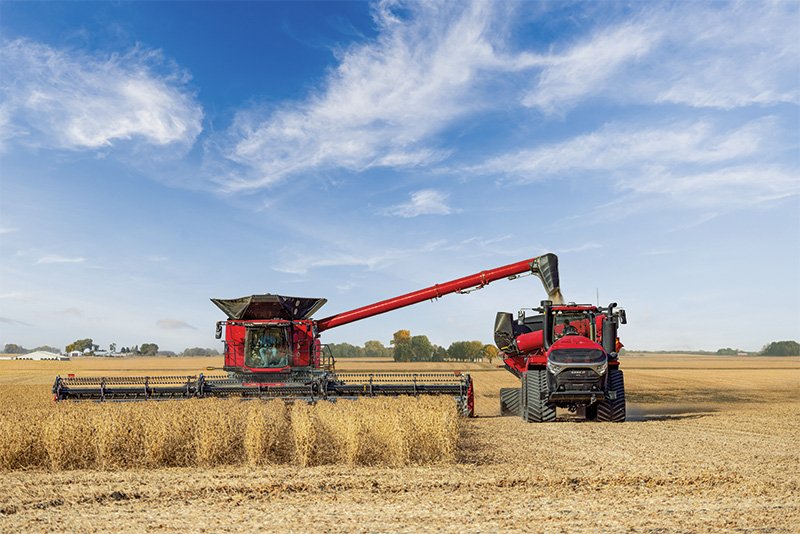
Yield expectations also shape ideal machine size and configuration. Oversized equipment often wastes fuel and underutilizes capacity across smaller fields. Right-sized machines maintain efficiency while protecting long-term component health.
Midwestern harvest conditions add another layer of consideration. Variable soils and unpredictable weather reward machines that adapt without constant adjustment. Equipment matched to local realities performs more consistently across the entire season.
Equipment Maintenance That Reduces Downtime
Maintenance accessibility plays a major role during narrow harvest windows. Harvest equipment designed with reachable service points encourages consistent daily inspections. Easier access supports better habits without disrupting tight field schedules.
Routine checks prevent small issues from becoming major failures. Operators are more likely to inspect belts, filters, and fluids when tasks remain straightforward. As a result, unexpected downtime becomes far less common.
Service history also matters when evaluating long-term reliability. Comparing new and used machines helps clarify maintenance expectations before investment decisions. Practical guidance on new versus used farm equipment helps operators make confident, informed planning decisions.
Preventive maintenance protects both productivity and resale value. Equipment that receives consistent care performs more predictably across demanding seasons. Long-term reliability often begins with thoughtful service design.
Which Attachments and Technology Improve Throughput?
Attachments and integrated tools shape how efficiently crops move through modern harvesting systems. Harvest equipment performs best when components align with crop structure, moisture levels, and field variability. Proper alignment improves material flow while reducing grain loss and operator corrections.
Several attachments and technologies consistently support higher throughput when selected with operational needs in mind:
-
Crop-specific headers designed to maintain even feeding across changing field conditions
-
Yield monitoring systems that provide real-time feedback without distracting operators
-
Automated height and speed controls that adjust performance as crop density changes
-
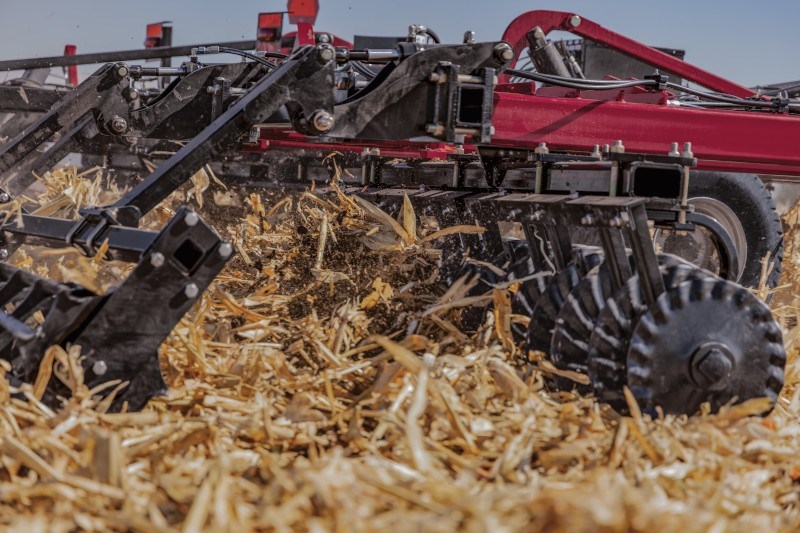
Residue management attachments that prevent buildup and reduce stoppages
-
Cab technology that improves visibility and control during long harvesting hours
When applied thoughtfully, these tools support mechanized harvesting efficiency without complicating daily operations. Practical upgrades help crews maintain steady performance while protecting long-term equipment reliability.
Harvest Equipment Fuel Efficiency and Operating Costs
Fuel efficiency influences profitability throughout harvest season. Harvest equipment matched to workload avoids unnecessary fuel consumption under variable field conditions. Balanced power delivery supports consistent output without excess engine strain.
Operating costs include more than fuel, as wear parts and service intervals add up. Frequent repairs and part replacements directly influence overall long-term expenses for farm equipment. Carefully evaluating total ownership costs supports smarter, more informed purchasing decisions.
Used machines often provide strong value when properly inspected. Comparing available options helps operators balance budget constraints with performance needs. Evaluating used harvesting equipment allows operators to make informed decisions without sacrificing reliability or efficiency.
Fuel efficiency directly impacts daily scheduling by reducing time spent on refueling operations. Machines that operate efficiently enable longer, uninterrupted productive hours in the field. Over the season, these operational efficiencies accumulate and significantly improve overall harvest productivity.
How Does Harvest Equipment Support Operator Safety?
Long harvest days increase fatigue-related risks for operators. Harvest equipment with clear visibility and intuitive controls reduces physical and mental strain. Safer design supports consistent focus during extended operations.
Stability and easy access are essential for operators during frequent machine entry and exit. Slip-resistant steps and strategically placed handholds help minimize the risk of injuries. Proper lighting enhances safety during both early morning and late evening harvesting operations.
Safety practices reinforce the advantages built into modern equipment designs. Seasonal reminders help crews maintain awareness while keeping productivity on schedule. Following practical harvest safety tips encourages responsible habits and reduces risks during long field days.
Protecting operators simultaneously safeguards the investment made in expensive harvest equipment. Fewer accidents result in reduced downtime and significantly lower maintenance and repair costs. Prioritizing safety consistently acts as a long-term productivity multiplier across every harvest season.
Equipment Evaluation Factors That Matter Most
Selecting equipment requires balancing performance, reliability, and long-term value. Harvest equipment investments should reflect operational scale and seasonal realities. Structured evaluation simplifies complex purchasing decisions.
Important considerations often include expected crop volume and field variability. Maintenance accessibility and parts availability also influence long-term performance. Fuel efficiency remains a consistent cost driver.
Additional evaluation factors include:
-
Compatibility with existing attachments and storage systems
-
Service support availability during peak harvest periods
-
Equipment adaptability across different crop conditions
Comparing new harvesting equipment options helps operators assess performance differences objectively. Informed comparisons reduce risk while supporting confidence.
Planning for a Productive and Reliable Harvest Season
Successful harvest seasons depend on equipment that performs consistently under pressure. Reliable machines support efficiency, safety, and crew confidence throughout unpredictable conditions. Over time, thoughtful planning delivers measurable operational stability.
When growers seek dependable guidance on equipment selection and service support, expert insight matters. Windridge Implements provides trusted Case IH and JCB harvest solutions backed by experienced service teams across northeastern Iowa. Let us equip your operation by contacting Windridge Implements or scheduling a consultation in Cresco, Decorah, or Elkader.