

Small-scale farming requires careful planning and smart resource allocation to succeed. Selecting the right machinery and tools in small-scale farming allows farmers to operate efficiently, reduce wasted effort, and improve overall yield. Proper equipment ensures limited acreage produces maximum results while conserving time and labor.
Farmers often juggle multiple responsibilities, from planting and irrigation to harvest preparation. Choosing durable, versatile machinery helps streamline these tasks without overextending budgets. Investing in quality equipment also supports consistent farm operations, minimizing downtime during critical seasons.
What Are the Key Benefits of Choosing the Right Equipment in Small-Scale Farming?
Investing in the right tools and equipment allows small-scale farmers to save time, reduce labor, and increase crop yields efficiently. Quality machinery ensures tasks like planting, tilling, and harvesting are completed faster and more accurately. Wise equipment choices directly maximize productivity, letting farmers get the most out of limited acreage and resources.
How Can Compact Tractors Improve Efficiency on Smaller Farms?
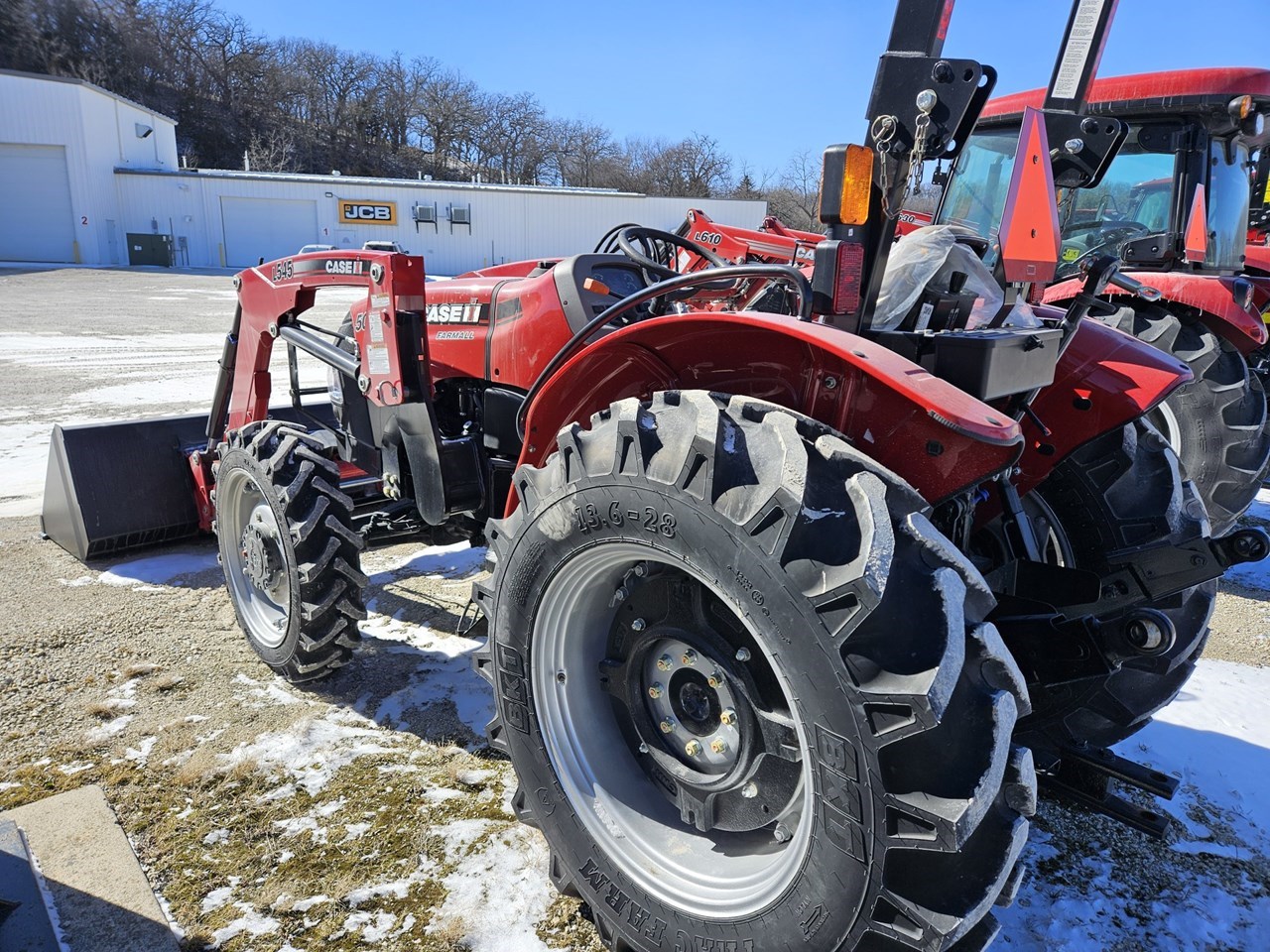
Compact tractors serve as the backbone of small-scale farming operations. Their smaller size allows easy maneuvering in tight spaces while still delivering power for multiple applications. Many models accommodate a wide range of attachments, expanding their utility.
-
Front-end loaders make moving soil, feed, or mulch faster and less labor-intensive. They allow a single operator to handle tasks that previously required multiple workers.
-
Rotary tillers quickly prepare seedbeds while maintaining consistent soil depth. They reduce manual digging and ensure better germination rates.
-
Box blades and graders level fields or prepare driveways efficiently, saving time on landscape maintenance. They are beneficial during spring field prep and after heavy rains.
-
Mowers and brush cutters help maintain pastures, orchards, and small acreage efficiently. Regular use keeps grounds manageable while preventing overgrowth.
-
Snow blowers and sweepers extend the usefulness of tractors into winter, keeping paths and access roads clear. Equipment versatility ensures year-round productivity and value.
Proper maintenance and seasonal calibration maximize the effectiveness of tractors and attachments. Case IH tractor versatilityshows how minor adjustments can significantly improve productivity.
Which Tools Drastically Reduce Manual Labor in Small-Scale Farming?
Small-scale farmers benefit from tools that automate repetitive tasks, increasing efficiency. Equipment such as precision seeders and transplanting machines reduces labor-intensive operations. Using mechanized solutions allows farmers to focus on other essential farm activities.
Soil preparation equipment, like efficient tillers, streamlines fieldwork while promoting uniform soil texture. Seeders ensure even distribution, minimizing gaps or overcrowding that affect yields. Transplanters handle delicate seedlings safely, reducing plant loss and improving overall crop success.
Specialized equipment also supports consistency in planting schedules. Regular calibration prevents uneven seed depth or spacing, improving crop growth uniformity. Equipment calibration best practices show how minor adjustments can significantly improve productivity.
Proper equipment enables smaller operations to compete with larger farms by increasing efficiency. Less physical strain reduces labor costs and helps retain seasonal workers. Multi-use equipment supports labor efficiency and field productivity.
How Does Optimizing Field Layout Save Time and Prevent Waste?
Field layout directly influences workflow and efficiency on small-scale farms. Proper planning ensures machinery moves smoothly, minimizing overlap and wasted fuel. Strategic placement of beds, irrigation lines, and pathways reduces wasted time during planting and harvest.
Using precision tools, such as GPS-guided planters or innovative irrigation systems, helps maintain consistent application rates. Accurate planting and watering prevent overuse of seeds, fertilizer, and water. Such optimization reduces costs while supporting sustainable practices.
Crop rotation and bed orientation can impact soil health and long-term productivity. Aligning rows with natural slopes improves drainage and reduces erosion. Planning in advance allows operators to take advantage of seasonal sunlight and airflow for optimal growth.
Routine inspections and adjustments maintain field efficiency over time. Budget-friendly smart farming practices ensure machines perform correctly during peak workloads. This proactive approach minimizes disruptions and maximizes output.
What Equipment Investments Offer the Best Long-Term ROI for Small-Scale Farming?
Quality equipment provides long-term returns by reducing maintenance needs and increasing efficiency. Well-built machinery outperforms cheaper alternatives that frequently require repairs or replacement. Investing in reliable brands ensures consistent performance over multiple seasons.
Durable tractors and implements lower operational costs by lasting longer without major repairs. Reduced downtime keeps planting and harvesting schedules on track. Properly maintained machinery protects crop yield and farm revenue, delivering predictable results.
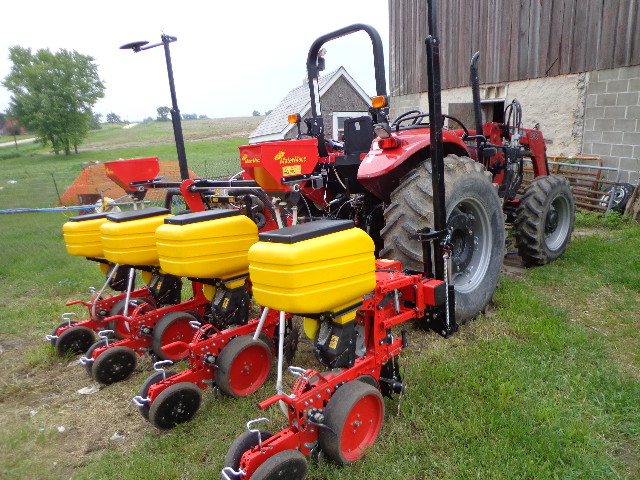
Purchasing versatile machines supports multiple farm tasks without the need for separate specialized units. Multi-use equipment allows for flexibility when adjusting to seasonal demands or labor constraints. Compact, adaptable solutions balance cost and functionality effectively.
Evaluating the total cost of ownership, including maintenance and fuel, reveals the real ROI. Premium equipment often saves money over time by limiting downtime and increasing efficiency. Preventive maintenance strategies help ensure reliable operation during critical farming seasons.
How Can Regular Maintenance Enhance Equipment Performance in Small-Scale Farming?
Maintaining machinery is critical to prevent unexpected breakdowns during peak seasons. Regular servicing ensures tractors, seeders, and tillers operate at optimal efficiency. Consistent maintenance also extends equipment lifespan, reducing replacement costs.
Routine checks, such as monitoring fluid levels and inspecting moving parts, help prevent wear-related failures. Seasonal adjustments, including calibration, keep tools performing accurately. Preventive care ensures smoother operation and more reliable crop management outcomes.
Cleaning and lubricating machinery reduces corrosion and wear, particularly after wet or cold weather. Inspecting attachments for alignment and functionality avoids unexpected delays. Preventive strategies help ensure all machinery is ready for active fieldwork.
Farmers gain peace of mind knowing their equipment is ready for any task. Maintenance protects their investment and maintains farm profitability. A proactive approach avoids emergency repairs and costly downtime.
Maximizing Small-Scale Farming Efficiency: A Practical Approach
Small-scale farming thrives when operators match the right tools to their specific tasks. Efficient equipment selection improves productivity, reduces labor costs, and supports higher yields. Wise choices ensure limited acreage produces maximum results with minimal waste.
Investing in durable, versatile machinery saves time and money while improving farm output. Strategic use of compact tractors, specialized implements, and precision tools optimizes fieldwork. Efficient small-scale farming requires both quality equipment and proactive upkeep.
Efficient small-scale farming requires wise equipment choices and reliable support. At Windridge Implements, we pride ourselves on offering versatile, dependable machinery from Hustler mowers to compact Case IH and JCB tractors that fit the budget and scale of any growing operation. Let our team guide you to the tools that minimize labor and maximize your yield. Stop by Windridge Implements or contact us today to learn how the right equipment can transform your small-scale farming operation.