

Selecting the correct farm loader starts with understanding how your operation’s needs scale with loader performance. Matching capacity, reach, and maneuverability to the work you need done helps avoid waste and inefficiency. A well-suited loader enhances productivity in tasks like material handling, bale stacking, and feed delivery. Thoughtful loader selection becomes a cornerstone of smooth farm operations.
Operational confidence increases when the right loader supports both everyday routines and seasonal demands. Loaders must perform reliably whether handling heavy silage, gravel stockpiles, or manure spreaders. Choosing equipment suited to your daily workflow and barnyard layout simplifies tasks. Insightful loader decisions bring returns in durability, utility, and labor savings.
1. Evaluate Lift Capacity and Breakout Force Based on Typical Loads
Farm loader choices should start with analysis of load weight and frequency under normal conditions. Heavy-duty loads like rock, wet silage, or grain demand higher lift ratings than light materials such as straw or mulch. Manufacturers rate loader arms by lift capacity measured at full height and certain reach angles. Selecting a loader with at least 10 percent capacity buffer helps prevent overloading and extends component life.
Breakout force is equally important when loading heavy or compacted material. It measures the loader’s ability to reach into tight stockpiles or penetrate dense surfaces. Compare loader specs with typical crop and feed conditions on your operation. Overestimating your needs leads to overspending while underestimating causes wear and inefficiency.
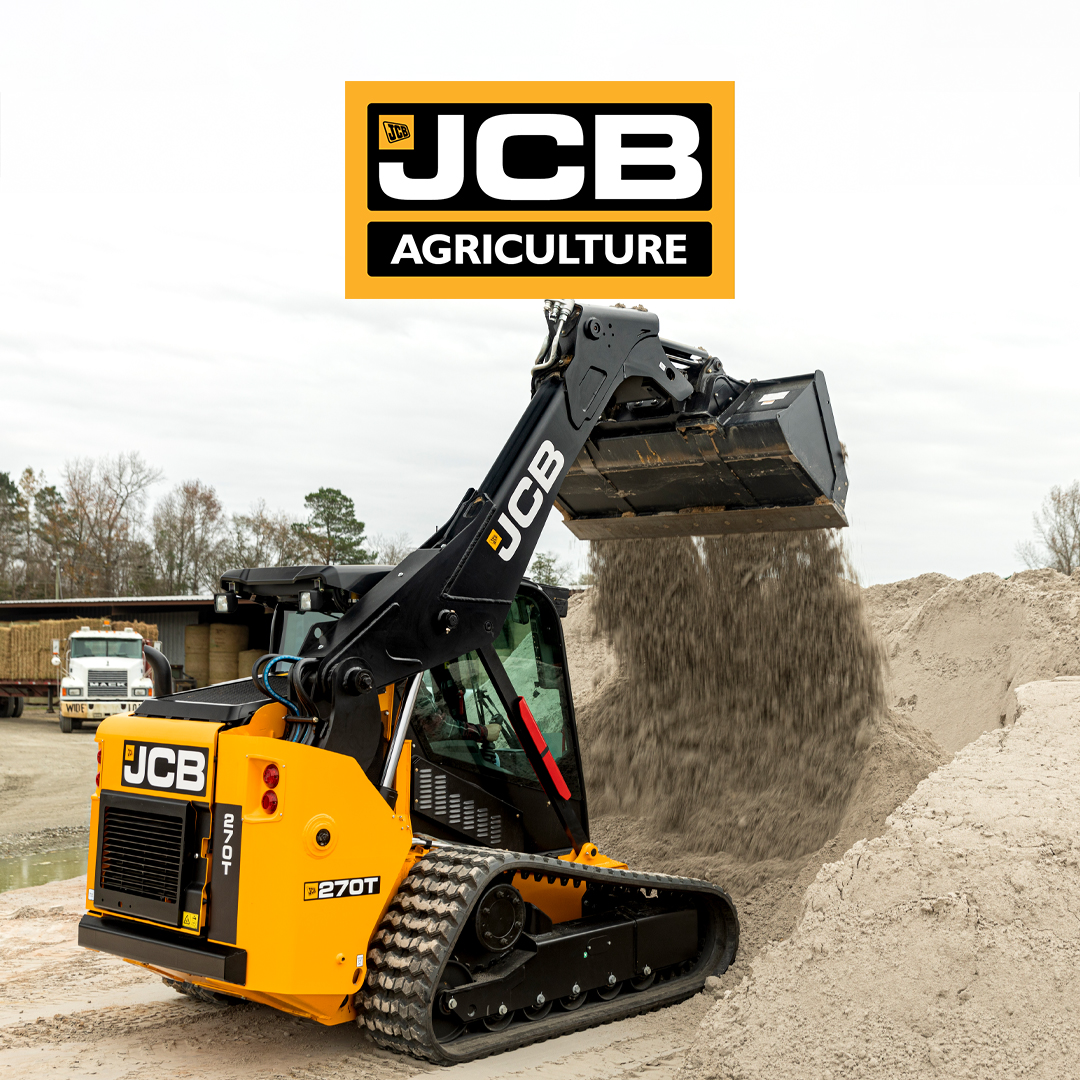
Consider load center distance as part of capacity calculations. Load centers vary between bucket, pallet forks, and grapple attachments. Using manufacturer guidelines helps ensure you maintain safe lifting limits under real-world conditions. Proper capacity matching supports operator safety and annual uptime.
Frequent heavy use of the loader highlights the need for reinforced frames and cylinders. Loaders designed for consistent material movement stand up better to stress. Frame strength influences overall operational life and resale value. Long-lasting performance comes with well-engineered lifting systems.
2. Match Reach and Lift Height to Your Operational Needs
Reach and lift height determine how effectively a loader can stack bales, load trucks, or fill grain bins. Tall auger trucks and storage bins demand machines with at least 12 feet of lift clearance. Loader arms that are too short limit tasks and force extra loading steps. Optimizing loader reach streamlines work and reduces cycle time.
Loading feed bunks or filling trailer bodies also requires reach precision. Loader attachments with multipurpose headers change reach dynamics. Proper loader geometry helps avoid repeated repositioning and feed movement delays. Loader specs should be examined alongside everyday load scenarios.
Combine reach with loader articulation and tilt cycle speed for full operational picture. Fast cycle times improve material movement and reduce operator fatigue. Both speed and reach factors contribute to seamless workflow. Adequate reach combined with responsive hydraulics ensures sustained efficiency.
Oversized loaders on small tasks are less agile and more costly. Balance loader specs with barnyard layout and headland space. Compact wheelbase with good lift height supports tight working areas. Smart loader sizing increases performance while minimizing cost.
3. Assess Attachment Compatibility and Versatility
Versatile loaders widely used on farms should handle more than buckets. Pallet forks, grapples, bale spears, snow plows, and manure forks are essential tasks candidates. Loader mounts should support quick couplers for fast tool changes. Time saved switching attachments adds to daily efficiency gains.
Compatibility with tractor hydraulics affects loader use across jobs and seasons. Flow requirements, detents, and joystick configurations determine attachment function. Ensuring loader compatibility with existing machinery supports harmony across equipment. Universal mounts and control systems aid integration.
Attachment weight affects lift capacity and load center calculations. Switching to heavier grapples or bale spears requires recalibration of the loader arm. Operators should understand how attachments impact loader performance. Planning for attachment versatility prolongs loader utility.
Sourcing attachments from the same manufacturer ensures best fit and safety compliance. OEM attachments maintain hydraulic compatibility and reinforcement where needed. Mismatched tools may not deliver full function or carry safety certification. Proper attachment planning aligns with both loader specs and operational demands.
4. Evaluate Tractor Compatibility and Hydraulic Power Availability
Farm loader performance depends heavily on tractor compatibility and hydraulic capacity. Loaders draw flow and pressure from tractor pumps to power cylinders and accessories. Tractor hydraulic systems with limited flow may underperform, affecting loader speed. Selecting a loader compatible with hydraulic flow ensures smooth operation.
Tractor weight and ballast affect loader stability when lifting fully loaded buckets or bales. Counterbalance weights may be required to maintain front axle grip. Balancing implements with ballast avoids front-end lift and directional losses. Weight distribution is critical for loader safety and control.
Loader-mount interfaces vary by manufacturer and model. Cab-forward loaders must match chassis height and mounting holes. Poorly aligned mounts cause wear and structural compromise. Dealer support ensures mount compatibility and factory support for your tractor.
Choosing loader hydraulic lines with proper materials helps prevent leaks and improve longevity. Reinforced hoses and quality fittings stand up better to field pressure and abrasion. Leak prevention reduces maintenance and downtime mid-season. Tough hydraulic infrastructure protects loader uptime.
5. Consider Durability, Maintenance Needs, and Service Support
Durable loaders stand up to farm demands over seasons, minimizing cost per operating hour. Heavy-gauge steel arms, sealed bushings, and replaceable wear pads help reduce repair costs. Centralized grease ports and easy-access pivot points enable quick servicing. Durability features should contribute to both performance and serviceability.
Maintenance access matters during busy seasons. Loader designs with easy-lubrication points, hose check locations, and quick pin removal systems support daily routines. Reduced time on maintenance keeps machines in the field rather than in the shop. Well-serviced loaders last longer and perform better.
Dealer service support and parts availability directly affect how quickly repairs get resolved. Local dealer presence ensures genuine replacement components and factory-trained technicians. Loader down-time can be costly; ready support makes emergencies manageable. Warranties that include labor or on-farm service add important value.
Resale value should be considered from the outset. Well-maintained loaders with documented service history bring more money on trade-in or resale. Brand reputation and service network also influence future value. Choosing a loader built to last supports both current performance and future investment recovery.
Find the Right Farm Loader for Your Operation
Selecting the right farm loader hinges on careful matching of capacity, reach, compatibility, and service needs with your daily tasks and seasonal demands. Machines that lift expected loads, reach proper heights, work with your tractor, and handle necessary attachments bring productivity gains. Considering durability and dealer support ensures your loader remains reliable and valuable over time. Planning around a smart farm loader investment leads to better equipment returns and farm efficiency.
Visit Windridge Implements in Cresco, Decorah, or Elkader to explore farm loader options tailored to your operation. Our specialists can assist with sizing, hydraulics consultation, attachments compatibility, and financing options. Stop by to see loaders in action and discuss how the right machine supports your feeding, handling, and handling challenges. Let us equip your operation with the loader you deserve.