
Modern agriculture is evolving rapidly, and smart farming is helping farmers make precise, data-driven decisions that maximize efficiency. By using tools like GPS guidance, variable-rate application, and telematics, operations can reduce waste and increase crop performance. These technologies are not just optional upgrades; they are essential for improving yields while maintaining sustainable practices.
Integrating smart farming may seem complex at first, but even small to mid-sized farms can adopt these technologies step by step. Precision tools can fit seamlessly into existing operations without a full equipment overhaul. Learning how to apply these solutions effectively allows farmers to achieve measurable improvements in productivity and profitability.
Can Smart Farming Really Boost Efficiency and Yields?
Smart farming significantly enhances field efficiency by reducing overlap and waste while maximizing input effectiveness. GPS guidance, variable-rate application, and telematics collect valuable field data that informs timely and precise decision-making. These practices translate directly into higher crop yields, lower operating costs, and more efficient equipment use.
How Can Smart Farming Improve Operational Efficiency?
Precision farming integrates multiple technologies to streamline operations and minimize unnecessary inputs. Systems like GPS guidance and auto-steering reduce overlap during planting and spraying, ensuring accurate field passes. Consequently, operators save both time and fuel while maximizing equipment efficiency.
Variable-rate application enables farmers to apply seed, fertilizer, and chemicals exactly where needed. Historical and real-time data adjusts inputs dynamically based on soil and crop conditions. This ensures resources are used efficiently, avoiding over-application and unnecessary costs.
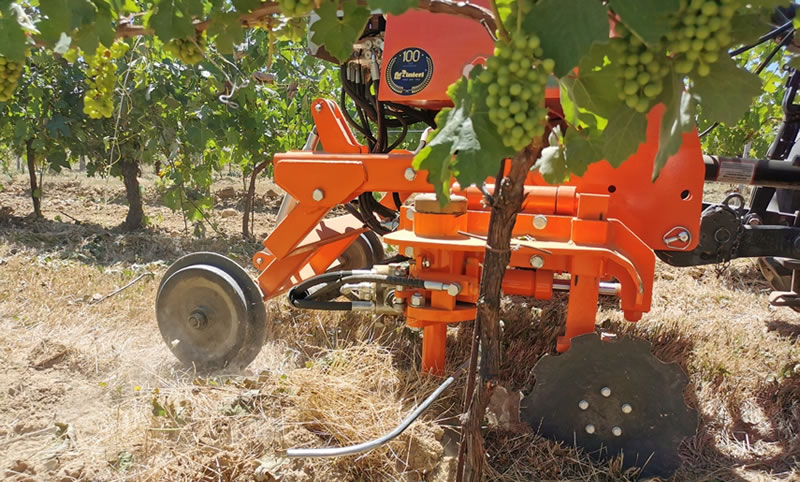
Telematics and machine monitoring systems provide instant insights into equipment performance. Operators can track fuel usage, engine hours, and operational efficiency remotely. These insights help schedule maintenance proactively, avoiding downtime during peak fieldwork periods.
Combining multiple technologies also supports long-term planning and operational optimization. GPS and precision tools integration allows managers to track productivity trends, monitor field performance, and improve workflow efficiency across all operations.
What Core Technologies Define Smart Farming?
Smart farming integrates advanced technologies that allow farmers to make precise, data-driven decisions and optimize field performance. Core technologies help improve efficiency, reduce waste, and support higher yields. Understanding these tools is key to applying them effectively on any operation.
Farmers can leverage several critical systems:
-
GPS guidance systems help tractors and sprayers follow exact paths, reducing overlap and minimizing soil compaction.
-
Variable-rate technology enables tailored application of seed, fertilizer, and chemicals for maximum resource efficiency.
-
Drones and satellite imagery provide high-resolution crop monitoring to detect stress, pests, or nutrient deficiencies early.
-
Telematics connects equipment to centralized platforms for tracking location, fuel usage, and service needs in real time.
-
Embedded sensors in planters and sprayers maintain consistent planting depth and application rates, ensuring uniform coverage.
Integrating these technologies creates a cohesive system that enhances decision-making and operational accuracy. Accurate calibration and proper data management further maximize the benefits of smart farming. Together, these tools help farmers increase productivity while promoting sustainability and long-term profitability.
How Does Smart Farming Support Data-Driven Decisions?
Precision agriculture depends on accurate, timely data to optimize input and output management. Soil sensors, weather stations, and satellite imagery provide information about moisture, nutrient availability, and crop health. Farmers can use these insights to make informed adjustments throughout the season.
Analyzing field data helps determine ideal planting populations and fertilizer rates. Farmers can avoid over- or under-applying resources, reducing costs and improving yields. Additionally, historical data supports long-term planning and crop rotation strategies.
Digital dashboards consolidate all collected information into actionable insights. Operators can quickly identify areas needing attention and prioritize interventions. These tools shift decisions from reactive to proactive, enhancing efficiency across the operation.
Data-driven farming also enables predictive planning. Modeling crop growth and yield potential informs precise harvest scheduling. This proactive approach helps protect both profit margins and resource investments.
What Are the Financial Benefits of Smart Farming?
Investing in precision technology generates measurable cost savings and efficiency gains. Reduced input overlap decreases expenses on seed, fertilizer, and chemicals. Accurate field passes also lower fuel consumption while extending equipment life.
Optimized field operations reduce labor hours needed for planting, spraying, and harvesting. Less time in the field translates to lower operational costs and reduced machinery wear. Over multiple seasons, efficiency gains can pay back technology investments quickly.
Smarter input usage improves yield consistency. Precision application reduces the risk of nutrient deficiencies or crop stress, supporting higher production. These results enhance overall profitability for both small and large operations.
Financial benefits multiply when equipment maintenance is integrated with smart technology. Routine inspections and calibration prevent costly breakdowns and maximize uptime. As a result, operations maintain productivity and avoid unplanned expenses.
How Can Drones and Satellite Imagery Enhance Crop Health Monitoring?
Advanced imaging technology allows farmers to monitor crops with high precision. Drones capture aerial images highlighting problem areas that may not be visible from the ground. Satellite data complements this by providing consistent, large-scale field analysis.
Early detection identifies signs of disease, pest infestations, or nutrient stress. Timely interventions reduce crop loss and maintain yield potential. Precision imaging also improves application efficiency by targeting specific areas rather than entire fields.
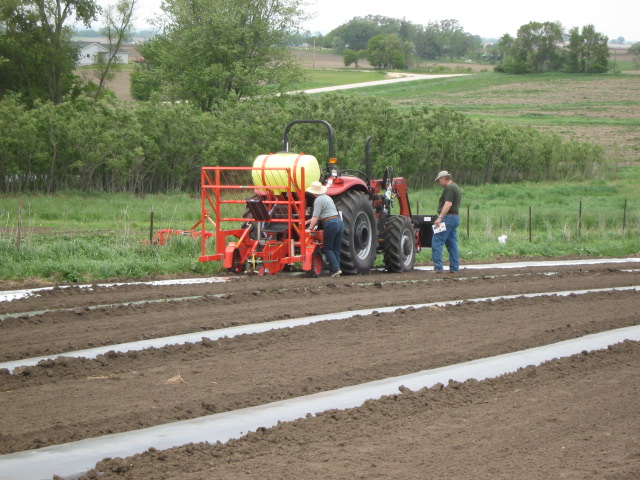
Combining imagery with GPS mapping enables the creation of treatment zones tailored to crop needs. Farmers can reduce chemical use while maintaining effective coverage. Over time, these practices lead to more consistent and predictable harvests.
Monitoring crop growth throughout the season informs future planning. Historical imagery data reveals trends in soil fertility and plant performance. This insight supports improved planting strategies and long-term sustainability practices, aligning with soil health and conservation goals.
Smart Farming Practices for Long-Term Sustainability
Long-term sustainability in agriculture depends on using resources efficiently while protecting soil health. Smart farming supports these goals by providing tools and practices that reduce waste and maintain productivity. Applying these strategies ensures operations remain both profitable and environmentally responsible.
Key smart farming practices for sustainable operations include:
-
Precision fertilizer and pesticide application minimizes runoff and soil degradation while maintaining crop health.
-
Variable-rate technology ensures inputs are applied only where needed, reducing waste and lowering the farm’s carbon footprint.
-
Continuous monitoring allows farmers to adjust strategies based on real-time crop and soil data.
-
Adaptive management integrates seasonal data to inform decisions that maintain efficiency and productivity.
Implementing these sustainable practices helps operations balance yield, efficiency, and environmental responsibility. Consistent monitoring and adjustments ensure resources are used wisely across all fields. Over time, smart farming strategies strengthen both profitability and ecological stewardship.
Making Technology Work for Your Farm’s Success
Implementing smart farming does not require overhauling your operation. Incremental adoption of GPS guidance, variable-rate application, and telematics can deliver measurable improvements. Farmers gain improved efficiency, optimized resource use, and stronger crop yields.
Local expertise ensures technology adoption is effective and tailored to specific field conditions. Specialists can guide equipment selection, installation, and calibration to maximize performance. Let us equip your operations with the right systems to boost efficiency and profitability. Get in touch with Windridge Implements today to start leveraging smart farming for your farm.