

Planting season is one of the most demanding times for any farm operation. Mechanized planting reduces manual labor while ensuring seeds are positioned precisely, saving both time and resources. Using the right equipment helps operators achieve consistent spacing, faster coverage, and improved crop uniformity.
Optimizing planting efficiency requires more than just speed; it also depends on matching machinery to crop type and field conditions. Machines that integrate technology allow operators to monitor performance in real time, reducing errors and downtime. When equipment performs reliably, planting windows can be fully utilized for maximum yield potential.
What Is Mechanized Planting and Why Does It Matter?
Mechanized planting uses automated equipment to place seeds accurately and consistently across fields. This approach reduces the reliance on manual labor while improving planting speed and precision. Farms benefit from uniform crop emergence, more predictable yields, and lower operational strain on labor resources.
How Can Mechanized Planting Improve Efficiency?
Mechanized planting boosts efficiency by reducing repetitive manual tasks while maintaining precision. Operators can cover more acres per hour while ensuring even seed depth and spacing. This results in faster field completion and less fatigue for the crew.
Farmers focused on boosting labor efficiency with mechanized planting and harvesting tools can combine well-designed equipment and organized workflow strategies. Advanced planters allow operators to monitor seed population and spacing in real time, helping prevent mistakes that could reduce crop yields. These improvements ensure fields are planted quickly and consistently, even during tight seasonal windows.
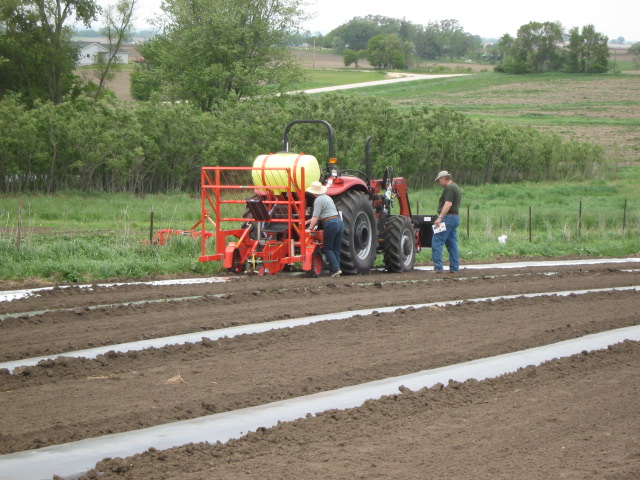
Efficiency also depends on workflow planning and machine coordination. Matching equipment types to field layout, soil conditions, and crop variety ensures minimal overlap. Well-planned sequences help operators complete planting faster, using fewer passes and less fuel.
Integrating automated tools enhances decision-making on the fly. Machines with precision sensors and digital monitors provide feedback that operators can act on immediately. Consequently, planting efficiency becomes measurable and repeatable across seasons.
Evaluating Planters and Transplanters for Your Operation
Selecting the right planter or transplanter requires understanding crop type, soil conditions, and row spacing. Properly matched equipment ensures consistent seed placement while reducing field passes. Machines that suit both small and large plots maximize productivity.
Operators can explore various equipment lines to find models designed for specific crops, field sizes, and precision requirements. For example, MaterMacc planters feature advanced seed metering systems for uniform placement and adaptable configurations. Likewise, Checchi & Magli transplanters improve planting speed while maintaining row-to-row consistency.
Farmers can also browse used planting equipment to balance cost and performance without sacrificing reliability. Matching machinery to operational needs ensures long-term consistency and reduces downtime.
Maintenance considerations remain critical for long-term performance in mechanized planting. Machines designed for easy access to wear parts reduce downtime and support consistent planting schedules. Reliable equipment translates to smoother seasonal operations and fewer interruptions.
How Do Field Size and Layout Affect Equipment Choice?
Field dimensions determine the type and size of equipment needed. Wide machines cover large plots efficiently, while smaller planters maneuver easily in irregular areas. Aligning equipment to field shape reduces unnecessary passes and operational strain.
Terrain impacts performance and reliability. Uneven or sloped ground requires machines with adaptive suspension and robust traction to maintain proper seed placement. Properly sized equipment preserves soil structure while maximizing coverage.
Soil variability also affects planting decisions. Machines capable of adjusting depth and pressure provide uniform seed-to-soil contact across changing soil densities. This consistency improves germination rates and overall crop uniformity.
Planning maintenance around field layout improves seasonal efficiency for mechanized planting. Machines matched to field size experience fewer breakdowns and allow operators to stay on schedule. Proper equipment selection is critical for both speed and planting quality.
How Can Technology Reduce Human Error During Planting?
Mechanized planting can be more precise and efficient when operators use technology to guide key planting tasks. The right tools help maintain consistent spacing, monitor performance, and alert operators to potential issues. Leveraging these solutions reduces mistakes and improves overall planting outcomes.
When considering how technology can reduce human error, operators can focus on five key strategies:
-
GPS Guidance: Maintains straight rows and consistent spacing without relying solely on operator judgment.
-
Real-Time Sensors: Detect blockages, misalignment, or inconsistent seed flow and provide immediate alerts.
-
Digital Monitoring: Records planting metrics in real time, allowing operators to adjust depth, population, or spacing as needed.
-
Automated Speed Control: Standardizes planting speed across fields, reducing variability caused by fatigue or manual errors.
-
Integrated Systems: Combines variable-rate controllers, row-by-row monitoring, and diagnostics to maximize coverage and minimize errors.
Using these technologies together helps operators achieve more reliable results. Incorporating automation and monitoring tools ensures fields are planted accurately and efficiently, supporting better crop emergence and uniformity.
Optimizing Planting Productivity with Mechanized Tools
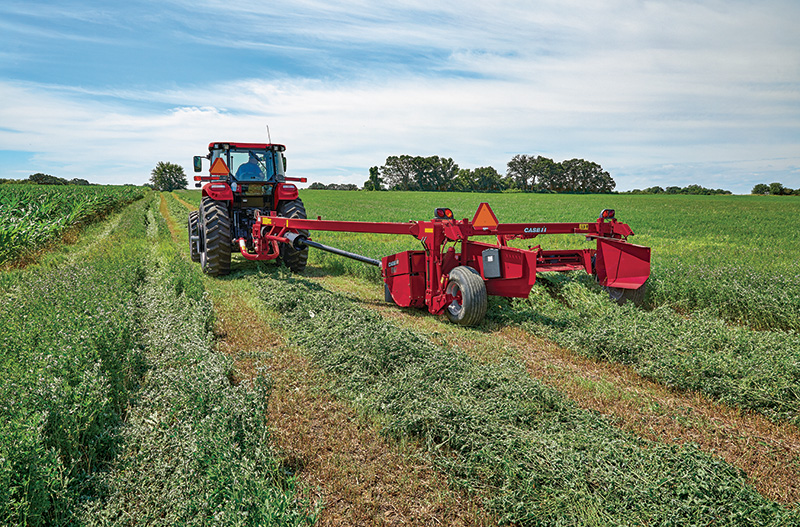
Mechanized planting allows operators to achieve consistent seed placement across large areas with minimal labor. Matching equipment to crop type and field layout enhances efficiency and reliability. Advanced planters provide real-time feedback, helping farmers adjust for soil conditions or field irregularities.
Key factors to consider for productivity include:
-
Choosing equipment suited for row spacing and crop type.
-
Adding attachments to improve placement accuracy and reduce seed waste.
-
Maintaining machines regularly to prevent downtime during peak planting.
-
Leveraging technology to monitor planting and adjust operations as needed.
Efficiency gains support higher yields and better resource management. Fewer passes and reduced labor intensity result in lower operational costs. Investing in quality mechanized planting tools ensures consistent seasonal performance.
Achieving Reliable and Efficient Planting With Mechanized Planting
Mechanized planting transforms seasonal operations by improving speed, accuracy, and labor efficiency. Operators benefit from consistent seed placement, better germination, and streamlined workflows. Machines that are well-maintained and properly matched to fields allow farmers to fully utilize planting windows.
Windridge Implements offers a wide selection of planting equipment and expert guidance to integrate mechanized solutions into your farm. Contact your local dealership to explore equipment options, schedule a demo, and optimize your planting operations. Let us equip your operation for greater efficiency, higher yields, and smoother planting seasons.