
When harvest slows and fields quiet down, the smartest growers shift their focus to what's next. Early planning around farm equipment not only stretches budgets further but also prevents unnecessary downtime once planting season returns.
Whether you're working 200 or 2,000 acres, your fleet plays a major role in how efficiently and profitably you move through the year. Taking stock now gives you room to make strategic upgrades, schedule repairs, and secure financing before spring rushes in.
Secure Farm Equipment Before Lead Times Get Longer
Waiting until spring to secure new farm equipment is a risky move that can put your operation days or even weeks behind. Manufacturers often face seasonal backlogs, and shipping delays or part shortages can stretch timelines even further. Therefore, the earlier you get on the list, the more likely you are to receive what you need before it’s go-time.
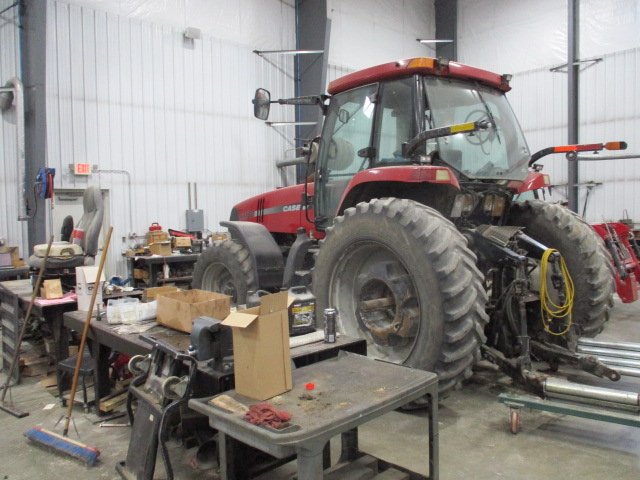
Off-season months provide a golden window to evaluate your needs without pressure. You have time to inspect wear, test systems, and explore new tools without the stress of an approaching planting deadline. For this reason, many producers use this slower season to work with local service teams to get ahead of demand.
Reviewing recent issues with sprayers, planters, or harvesters helps guide smart replacement decisions. If your baler jammed repeatedly or your combine had sensor errors, now is the time to correct those pain points. Also, look at year-round equipment such as loaders, tractors, and utility vehicles that often go unnoticed until they stop working mid-task.
For equipment that needs updating, availability matters more than you might think. Delaying upgrades until spring might mean missing planting windows or losing efficiency on early-season fieldwork. Instead, prevent those bottlenecks by locking in equipment while it’s still on the lot or available for pre-order.
Know When Repairs Are No Longer Worth It
Just because a piece of farm equipment is still running doesn’t mean it’s worth keeping. Often, escalating maintenance costs and parts delays make repairs the more expensive option over time. That’s why calculating the total cost of ownership, rather than just the next repair bill, gives a more accurate view.
If your machinery requires frequent fixes, delays your fieldwork, or needs constant technician support, it might be draining resources without you realizing it. Breakdowns during peak windows like planting or harvest can lead to costly interruptions, fuel waste, and frustrated crews. Instead of waiting for failure, use this time to weigh the long-term benefits of upgrading.
Performance monitoring tools like telematics and FieldOps can help you identify equipment that is underperforming. Smart diagnostics offer early warnings of declining performance, helping you take action before it becomes a crisis. This makes it easier to decide which farm equipment stays in your fleet and which needs replacing to boost efficiency.
Upgrading might seem like a major investment, yet it often pays off faster than expected. Reduced fuel use, quicker cycle times, and fewer breakdowns add up quickly over a full season. Consequently, factoring in those long-term savings is essential when considering your budget.
Use Tax Incentives to Offset Farm Equipment Costs
There’s real value in timing your farm equipment purchases before the calendar resets. Section 179 and bonus depreciation rules often allow farmers to deduct a portion — or even the full cost — of new equipment from taxable income. As a result, well-timed purchases can lead to major year-end savings.
Your tax advisor can explain how a fourth-quarter equipment purchase might reduce your year-end liability. Combining those tax deductions with financing or special dealer offers makes your dollar go further than waiting until spring. Just ensure the equipment is both purchased and in service before December 31.
Used farm equipment may also qualify for deductions under certain rules. If you’re looking to expand your fleet without the cost of brand-new machinery, used options with updated technology offer solid value. Choosing wisely now helps preserve working capital ahead of the new season.
Additionally, year-end is when dealers are most motivated to clear inventory. You're more likely to find service bundles, favorable financing, or upgrade incentives during this time. Acting during the off-season can make the difference between being prepared or playing catch-up later.
Match Your Equipment to Evolving Field Demands
As acreage grows or crop rotations shift, your machinery needs to evolve with them. The planter or sprayer that once handled your operation may no longer be sized or configured for today’s needs. Rethinking your lineup helps ensure you’re not losing time or productivity.
Consider whether your current tools offer enough flexibility for different row spacing or soil conditions. Newer models often support precision planting, variable rate application, and integrating GPS for improved field performance. That’s especially important if you’re running mixed cropping systems.
Sprayers, tillage tools, and grain handling equipment should also be reviewed as part of this process. Wider implements and better flow control can reduce labor, fuel use, and overlap while boosting pass-to-pass accuracy. If you’ve grown your acreage or added crops, your support tools should match that pace.
Taking a systems approach to your fleet reveals operational chokepoints. For example, if one tractor can’t handle larger attachments, it might be slowing everything down. Matching your farm equipment to your workload ensures growth doesn’t come at the cost of efficiency.
Prioritize Comfort, Safety, and Smart Upgrades
Performance in the field depends as much on operator experience as it does on farm equipment specs. Features like climate-controlled cabs, adjustable seating, and lower sound levels reduce fatigue during long days in the cab. These improvements may seem small, yet they play a big role in overall productivity.
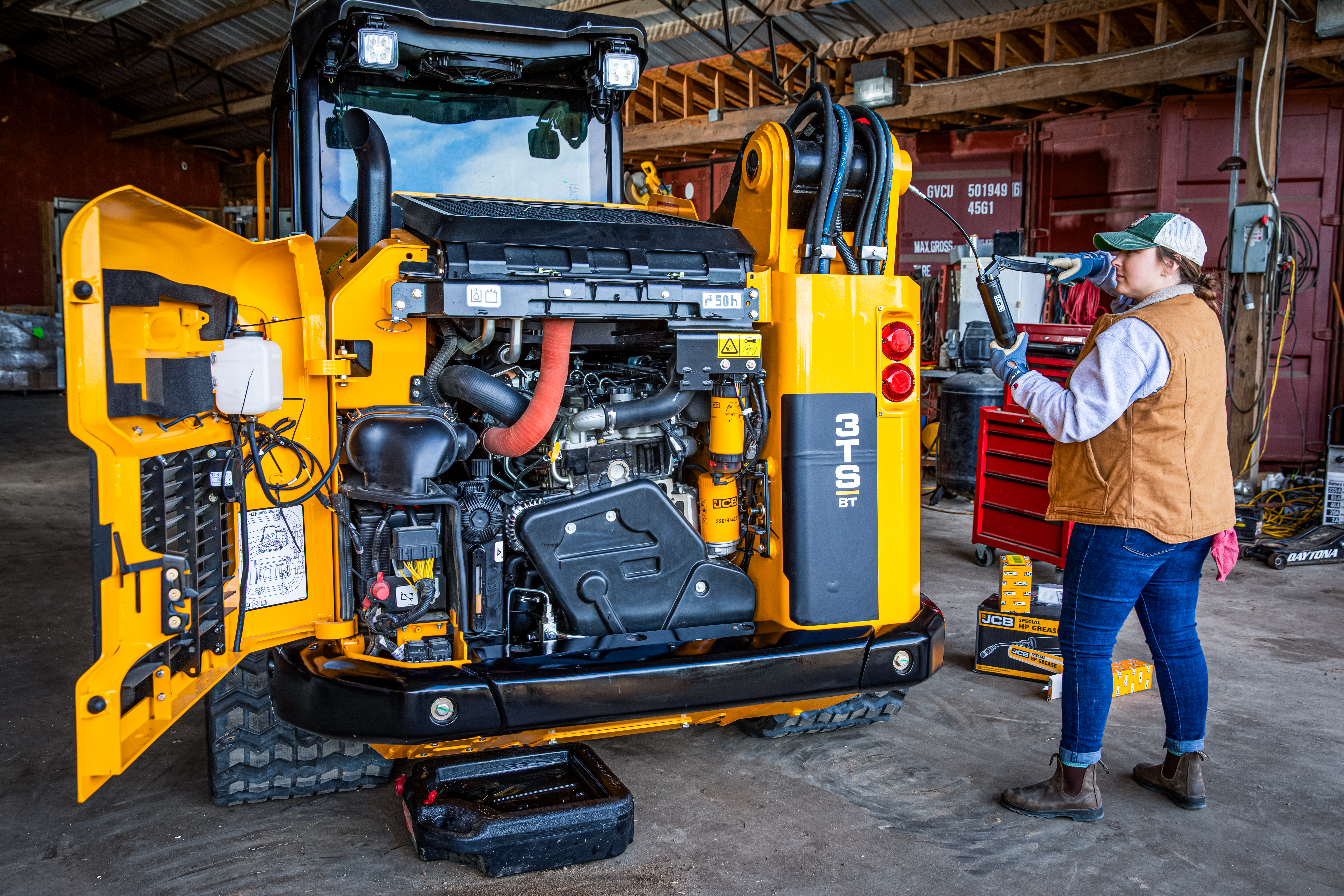
Machine intelligence also enhances safety and consistency. Automation tools like implement guidance and in-cab alerts improve pass accuracy, reduce repetitive strain on the operator, and reflect meaningful upgrades in technology. Additionally, these tools allow operators to work longer without sacrificing performance.
Routine maintenance becomes easier with smarter systems in place. Machines that offer remote diagnostics, intuitive service reminders, and better access points cut downtime and technician visits. That translates directly into more uptime in the field when it matters most.
Lastly, investing in precision tools like yield monitors and field maps supports better decision-making. These technologies give you visibility across your operation, helping you fine-tune practices year after year. Every upgrade should serve the bigger goal: getting more done, with less stress and stronger returns.
Let Experience Guide Your Equipment Strategy
Seasonal planning isn’t just about avoiding emergencies — it’s how experienced operators take control of their business. Whether you're upgrading a tractor, considering new implements, or looking to add technology to your planter, making those decisions now gives you options instead of limitations.
Let us equip your operation with farm equipment and support that match your goals for the next growing season. Contact us to schedule a fleet review, explore upgrade paths, or talk through what works best for your fields.
Windridge Implements is here to help you plan smart, buy with confidence, and stay one season ahead.