

Harvest wrap‑up season offers a crucial opportunity to prepare machinery for the off‑season and next year’s workload. Ignoring maintenance after combining, baling, planting, or hauling exposes machines to rust, corrosion, and residual wear. Focusing on post‑harvest maintenance helps avoid costly breakdowns, preserves resale value, and ensures machines are ready at the first spring thaw. A diligent maintenance routine strengthens both equipment reliability and farm operation continuity.
Comprehensive maintenance includes careful cleaning, lubrication, inspections, adjustments, and part replacements guided by factory recommendations. Investing time now saves extended repair cycles, unscheduled downtime, and unexpected parts shortages during peak seasons. Equipment that receives solid winter care returns in better condition ready for service. This insight outlines best practices to keep farm machinery performing well year after year.
1. Clean and Protect Components Thoroughly Post-Harvest
Post-harvest maintenance should begin with a thorough machine cleaning to remove crop debris, dirt, and corrosive residue. Accumulated material left in tight spaces promotes rust and accelerates wear on bearings and bearing seals. Power washing should be followed by drying and application of protective sprays on exposed metal. Preventive protection reduces downtime caused by corrosion or stuck parts in colder weather.
Air filters and engine inlets collect dust and chaff during harvest; those should be removed, cleaned, and dried before storage. Replacement filters should be installed so machines start clean next season. Feeding leftover materials into engines or hydraulics accelerates wear and lowers performance. Filter maintenance is a simple task with lasting effects on engine longevity.
Cab interiors also require attention because dust settles into controls and electronics. Vacuuming floors and wiping surfaces prevents degradation of switches and display units. Window cleaning maintains visibility for the start of next season. A clean, secure cab environment helps operators start fresh in spring.
Proper cleaning around grease points, pivot pins, and hydraulic connections ensures clear maintenance paths. Debris around lubrication zones can contaminate grease and hinder function. While cleaning, check for weld cracks or stress lines around high-load areas. Visual inspection during cleaning reveals early maintenance needs.
2. Lubricate Moving Parts and Grease Service Points
Post-harvest maintenance includes a thorough lubrication check of all grease points, linkages, and bearings. Even with routine service during harvest, machines may need fresh grease before going idle over winter. Grease retains moving part function and prevents water intrusion in seals. Greasing post‑season supports a rust‑free storage period.
Hydraulic cylinders should be cycled after lubrication to distribute protective film across seals. Without cycling, only portions of the seal area receive lubrication. Extended rest without movement can cause seals to crack or dry out. Exercising cylinders protects system readiness and functional integrity.
Drive shafts and PTO components demand grease application and protective handling. Applying anti‑seize compound protects splines during off‑season storage. Lubrication service points should be tagged for operator reference before spring startup. Clear maintenance marks make refreshing grease points foolproof.
Lubrication should include steering pivots, hitch pins, auger bearings, and cutter bar links. Heavy‑use components need inspection and lube to prevent dryness. Competitive lube practices promote long bearing life and maintain machine response. A well‑lubricated machine avoids dry start damage.
3. Inspect Wear Items, Replace Worn Components, and Make Adjustments During Post-Harvest Maintenance
Post-harvest maintenance should include inspecting and replacing wear items, such as belts, chains, hoses, and blades. These parts experience high stress during harvest and often need replacement before storage. Worn belts may crack during the winter cold, causing breakage in early spring use. Preventive replacement saves downtime and often avoids emergency spring repairs.
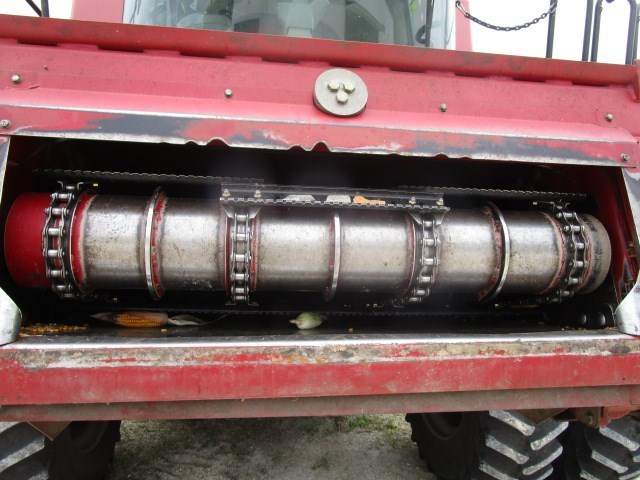
Cleaning and inspecting chains and sprockets prevent slippage and uneven wear. Proper chain tension and lubrication during off‑season preserves functional integrity. Hoses should be flexible without bulging or cracking in any section. Routing hoses away from potential pinch points reduces risk of winter damage.
Blades, knives, shear pins, and cutter bar guards sacrifice life in harvest duties and should be reviewed now rather than later. Replacing knives in-field during setup ensures better cutting efficiency and reduced rattling. Replacing shear pins is easier off‑season and when clean parts are available. Sharp knives and blades also preserve crop output in early spring.
Adjustment of belt tension, link geometry, and bearing play improves operation smoothness. Minor alignment issues resolved now will be magnified under spring field loads. Machines adjusted post‑harvest hit the field ready to perform. These adjustments enhance both machine efficiency and operator reliability.
4. Prepare Fluid Systems and Storage Readiness During Post-harvest Maintenance
Post‑harvest maintenance includes fluid checks to reduce corrosion and contamination risks during storage. Draining water and condensate from fuel-water separators helps prevent filter blockages. Fuel stabilizer treatment preserves petroleum systems during idle periods. Stabilized fuel ensures reliable winter starts and protects injectors from varnish buildup.
Coolant system inspection and replacement support freeze protection and corrosion prevention. Coolant should contain proper antifreeze concentration and corrosion inhibitors. Test coolant with refractometer before storing machines. A protected cooling system supports engine durability under low-temperature conditions.
Change hydraulic and transmission fluids if show signs of degradation or contamination. Old hydraulic fluid may retain moisture or particulate, risking seal damage in winter cycles. Fresh fluids preserve internal hydraulic integrity and temperature stability. Clean fluid supports early-spring equipment responsiveness and avoids moisture-related system failures.
Store machines in covered, dry space to avoid weather damage; if unavailable, apply breathable covers over open components. Tires should be inflated to recommended pressure to avoid deformation over time. Disconnect battery or use slow trickle chargers to maintain charge. Thorough storage preparation completes post-harvest care and preserves machinery value.
5. Document Work and Plan Your Winter Maintenance Calendar
Keeping records is essential after post‑harvest maintenance routines are complete. Documenting service dates, adjustments, parts replaced, and observations creates a solid reference for spring preparation. Tracking part life cycles and failure trends informs cyclical planning. A clear maintenance log supports seasonal workflow planning.
Planning a winter maintenance calendar ensures continued machine readiness and preserves value. Scheduled checks every six to eight weeks prevent fluid seal leakage or battery failure. Winter intervals are ideal times to revisit lubrication, inspect covers, and recharge batteries. Considering weather constraints, winter maintenance keeps machines ready for sudden opportunities such as early spring planting.
Parts ordering before winter ensures prompt delivery before busy spring arrives. Sourcing filters, belts, pins, and fluids during the off-season secures availability and often reduces cost. Advance planning avoids early-season breaks in operation. A maintenance calendar makes parts procurement manageable and timely.
Finally, calibration records and inspection notes should be stored centrally. Data from seasonal maintenance contributes to long-term service strategies and stewardship. Service history preserves resale value and supports parts discount planning. A well-documented program protects investments and informs next season readiness.
Keep Farm Equipment Running Longer With Post‑Harvest Maintenance
Implementing thorough post‑harvest maintenance ensures farm equipment remains safe, efficient, and ready for the next season. Proper cleaning, lubrication, inspection, storage preparation, and documentation extend component life and reduce unexpected costs. Investing effort after harvest brings returns through reduced downtime and preserved machinery value. Post‑harvest care supports both operational stability and long-term farm profitability.
Schedule your post‑harvest maintenance service with Windridge Implements at Cresco, Decorah, or Elkader today. Our expert technicians can provide full-service packages, perform parts replacements, conduct fluid analysis, and prepare for winter storage. Extended warranties and service agreements provide peace-of-mind before the next planting season. Contact us now to keep your equipment running strong for years ahead.