

Preparing farm equipment for harvest is a critical task that ensures operational efficiency and minimizes downtime. Proper maintenance and inspections can prevent unexpected failures during the busy harvest season. Farmers and agricultural businesses must prioritize equipment readiness to safeguard their investments and optimize productivity. A systematic approach to equipment preparation lays the foundation for a successful harvest.
Regular inspections and maintenance routines are essential components of harvest preparation. Addressing potential issues before they escalate can save time and resources. Implementing a comprehensive maintenance plan contributes to the longevity and reliability of farm machinery. Farmers should allocate time and resources to ensure all equipment is in optimal condition for the demanding harvest period.
Comprehensive Inspection Protocols
Initiating harvest preparation begins with a thorough inspection of all farm equipment. Examine machinery for signs of wear, damage, or corrosion, focusing on critical components such as belts, chains, and filters. Identifying and addressing issues early can prevent costly breakdowns during peak harvest times. A detailed inspection protocol ensures that all equipment functions as intended when needed most.
Cleaning equipment is an integral part of the inspection process. Removing debris and residue enhances machine efficiency and reduces the risk of contamination. Clean machinery also allows for more accurate assessments of component conditions. Regular cleaning routines contribute to the overall maintenance strategy, ensuring optimal performance and reliability.
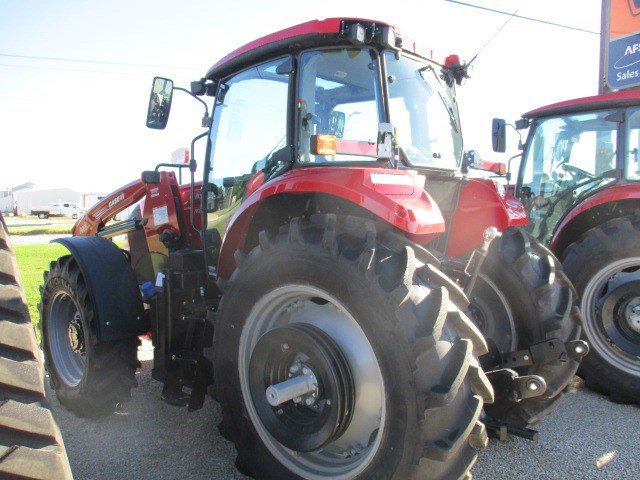
Fluid levels and lubrication require careful monitoring. Check the oil, coolant, and hydraulic fluids to ensure they meet the manufacturer's specifications. Proper lubrication of moving parts minimizes friction and wear, extending equipment lifespan. Maintaining appropriate fluid levels is crucial for optimal machine performance.
Tire and track conditions significantly impact equipment stability and maneuverability. Inspect tires for tread wear, cracks, or punctures, and ensure they are properly inflated. For tracked equipment, verify that the tracks are correctly tensioned and aligned. Well-maintained tires and tracks contribute to safe and efficient operations.
Engine and Hydraulic System Maintenance
Engine performance is crucial for the reliable operation of farm equipment. Regularly change engine oil and replace filters according to the manufacturer’s guidelines. Inspect the air filters for cleanliness and replace them as necessary to maintain optimal airflow. A well-maintained engine ensures consistent power delivery during harvest activities.
Hydraulic systems power various equipment functions and require meticulous attention. Check hydraulic fluid levels and inspect hoses and connections for leaks or damage. Replace worn or damaged components promptly to prevent system failures. Proper hydraulic maintenance supports the smooth operation of attachments and implements.
Cooling systems prevent engines from overheating under heavy workloads. Inspect the radiators and coolant levels to ensure the system is free from obstructions. Flush and replace coolant periodically to maintain thermal efficiency. Effective cooling systems protect engines from heat-related damage.
Battery health is essential for dependable equipment startups—test battery voltage and clean terminals to ensure strong electrical connections. Replace batteries that show signs of weakness or age to prevent unexpected failures. Reliable batteries contribute to uninterrupted harvest operations.
Safety Systems and Operator Comfort
Functional safety systems are non-negotiable for farm equipment. Verify that lights, signals, and warning indicators operate correctly. Ensure that safety guards and shields are in place and secure. Operational safety features protect both operators and equipment.
Operator comfort influences productivity during long harvest hours. Inspect and maintain seating, controls, and climate systems within operator cabins. Clean and adjust mirrors and windows for clear visibility. Comfortable operating environments reduce fatigue and enhance focus.
Emergency preparedness is a critical aspect of harvest readiness. Ensure that machinery is equipped with readily accessible fire extinguishers and first aid kits—train operators on emergency procedures and equipment shutdown protocols. Preparedness measures can mitigate risks during unforeseen incidents.
Communication systems facilitate coordination among harvest teams. Ensure that radios or other communication devices are functional and charged. Establish clear communication protocols for field operations to enhance team efficiency and safety.
Implement and Attachment Readiness
Farm equipment accessories, such as implements and attachments, must be inspected and serviced before deployment. Check for wear and damage on components, including blades, tines, and cutting edges. Sharpen or replace parts as needed to ensure effective operation. Well-maintained implements contribute to efficient fieldwork.
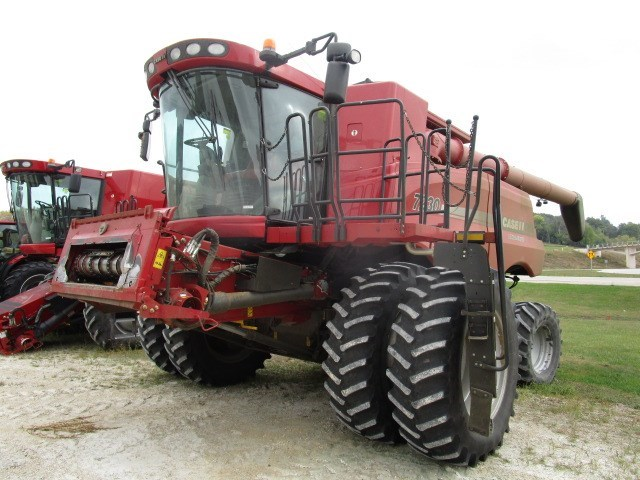
Hydraulic connections between equipment and attachments require careful examination. Inspect hoses and couplings for leaks or wear, replacing any compromised parts. Ensure that hydraulic systems are properly bled and free of air pockets. Secure connections prevent operational delays and hazards.
Attachment calibration ensures that equipment performance aligns with specific tasks. Adjust settings such as depth, angle, and pressure according to operational requirements. Conduct test runs to verify proper function and make necessary adjustments. Accurate calibration enhances work quality and efficiency.
Storage and transport considerations protect implements when not in use. Store attachments in designated areas, shielding them from environmental damage. Use appropriate transport methods to prevent damage during relocation. Proper handling extends the service life of implements.
Documentation and Record-Keeping
Maintaining detailed records of your farm equipment supports effective equipment management. Document inspection findings, maintenance activities, and parts replacements in logs. Use logs to track service intervals and identify recurring issues. Comprehensive records inform future maintenance planning.
Service schedules ensure timely maintenance actions. Develop calendars outlining routine inspections, fluid changes, and component replacements. Adhering to schedules prevents oversight of critical maintenance tasks. Structured planning promotes equipment reliability.
Inventory management of spare parts facilitates prompt repairs. Maintaining stock levels of commonly used components, such as filters, belts, and hoses, is crucial. Organizing parts storage for easy access during maintenance activities is also essential. Efficient inventory systems reduce downtime during harvest.
Training records ensure operator proficiency and compliance by documenting training sessions, certifications, and safety briefings attended by equipment operators. Regular training updates keep operators informed of best practices and safety protocols, thereby maintaining a high level of awareness. Well-trained personnel contribute to the safe and effective use of equipment.
Prepare For Harvest With Optimal Farm Equipment
Thorough preparation of farm equipment is essential for a successful and efficient harvest season. Implementing comprehensive inspection and maintenance routines minimizes the risk of unexpected breakdowns. Attention to safety systems, operator comfort, and proper documentation supports optimal equipment performance. Investing time and resources into equipment readiness yields significant returns during the demanding harvest period.
For expert assistance in preparing your farm equipment for harvest, visit Windridge Implements. Our team offers a full range of new and used agricultural and construction equipment, precision farming technology, expert service, and a comprehensive parts department. We support farmers, specialty crop growers, and construction professionals with tailored equipment solutions and on-site maintenance. Explore our offerings at Windridge Implements to ensure your operation is ready for a successful harvest.