

When the last row is harvested and the machinery is parked, the real preparation begins. Off-season maintenance goes beyond simply storing tools—it’s the foundation for keeping your farm equipment reliable, efficient, and ready for another season of work.
Farmers across the Midwest know how much damage cold, moisture, and downtime can do. Fortunately, there are practical steps that protect your equipment and maximize long-term performance. Now is the time to ensure your investments stay strong through winter.
Clean, Drain, and Protect Your Farm Equipment the Right Way
Thoroughly cleaning your farm equipment removes dirt, dust, and crop debris that hold moisture against metal surfaces. This step is often skipped, yet it prevents corrosion and reveals small issues like leaks or cracks before they escalate. Always make sure to pressure wash undercarriages, wheel wells, and joints to eliminate buildup.
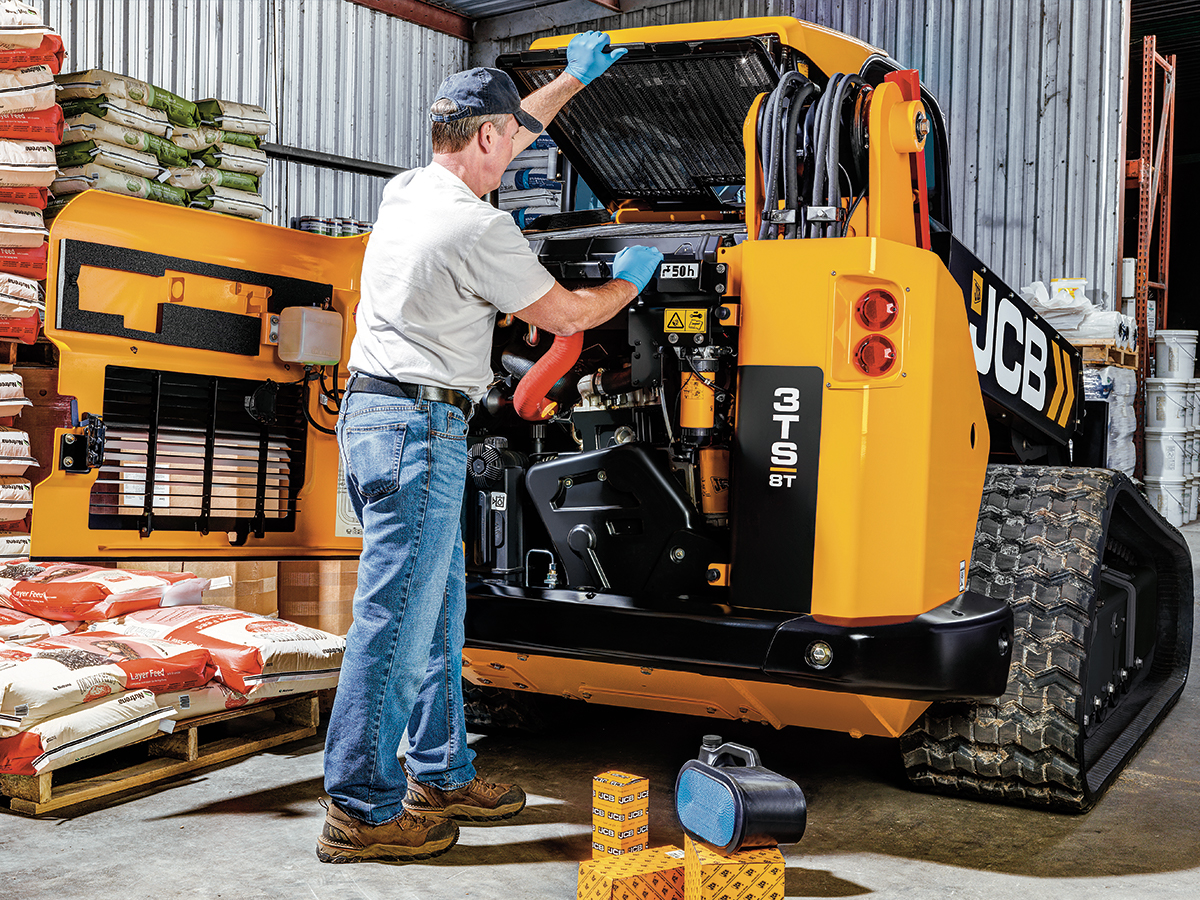
Draining fluids that won’t be used until next spring helps prevent internal rust and sticky residue. Fluids like fuel, hydraulic oil, and coolant can degrade over time, leading to clogs or reduced efficiency. Swapping out old fluids before storage supports smoother startups, keeps machines running reliably, and helps internal systems stay clean through the off-season.
Moisture buildup inside tanks and lines can freeze during Iowa winters, expanding and damaging seals or reservoirs. To avoid these issues, inspect gaskets and pressure caps after draining to ensure proper sealing. Adding fuel stabilizer before the final run also preserves fuel integrity during downtime.
After cleaning and draining, apply a rust-preventative spray on any exposed metal. This layer creates a barrier that protects your machine during freeze-thaw cycles, which are common in Iowa’s unpredictable winters.
Store Batteries Safely to Extend Life and Prevent Damage
Batteries lose power quickly when exposed to freezing temperatures. Even a fully charged battery can struggle to perform after weeks in sub-zero conditions. Removing them and storing indoors keeps charge levels stable and prevents permanent damage.
Left unattended, batteries naturally discharge, and sulfation builds up on internal plates. Over time, this reduces battery lifespan and weakens their ability to start farm equipment in the spring. Taking time to inspect your equipment, check voltage levels, and clean terminals before winter storage helps preserve performance and ensures a reliable start when the season begins.
To protect battery performance, clean all connections and apply dielectric grease to prevent corrosion. Consider using a smart trickle charger to maintain charge levels without risk of overcharging. This simple step can save you from cold-morning headaches next season.
Lastly, inspect all farm equipment wiring and cables for frays, cracks, or signs of animal damage. Rodents often seek shelter inside stored machinery during the colder months. Shielding exposed wiring now can help you avoid electrical issues later.
Lubricate Moving Parts to Prevent Cold Weather Wear
Every pivot, joint, and bearing on your farm equipment benefits from a fresh coat of lubrication before winter sets in. Dry parts are more likely to freeze, seize, or corrode over time. By applying high-quality grease, you protect critical components from unnecessary strain.
Moisture trapped inside joints or fittings often goes unnoticed until it causes failure. When temperatures drop, that moisture expands, creating cracks and structural fatigue. Lubrication displaces water and creates a seal that resists freezing conditions.
This is the ideal season to follow OEM lubrication schedules and use cold-rated greases. Doing so reduces friction, ensures smoother operation, and prepares machines for a quicker spring startup. Preventative lubrication also increases fuel efficiency and reduces maintenance costs later.
Staying ahead of wear keeps your farm equipment ready when timing matters most. Lubricating moving parts before storage reduces friction and prevents freeze-related damage. Grease now to protect components and work easier when it’s time to roll again.
Inspect Belts, Tires, and Hoses Before Winter Takes Hold
Rubber components take a hit during winter. Belts and hoses can become brittle, crack, or lose flexibility, leading to unexpected breakdowns at the worst times. Inspecting them now gives you time to replace parts before planting season.
Tires are especially vulnerable to fluctuating temperatures. Cold air drops pressure and weakens sidewalls if left unchecked. To avoid spring surprises, inflate to manufacturer recommendations and inspect for weathering or embedded debris.
Look closely at coolant and hydraulic hoses for signs of aging, like bulges, soft spots, or leaks. Even without visible damage, small cracks can expand in freezing temperatures. Inspecting and replacing worn hoses is an essential practice that reduces the risk of failure when every hour in the field counts.
Creating a list of worn farm equipment parts now helps you prepare and plan your budget efficiently. Off-season downtime offers the perfect window for repairs without the pressure of fieldwork. This proactive approach ensures cost-effective upgrades and fewer delays next season.
Shelter and Cover Your Farm Equipment From Iowa’s Harsh Winter
Protecting farm equipment from snow, wind, and ice isn’t just a cosmetic decision—it directly impacts functionality and equipment lifespan. Even machines stored under a shed can suffer from condensation and weather exposure. Full tarps or covers that allow ventilation are key to preventing moisture traps.
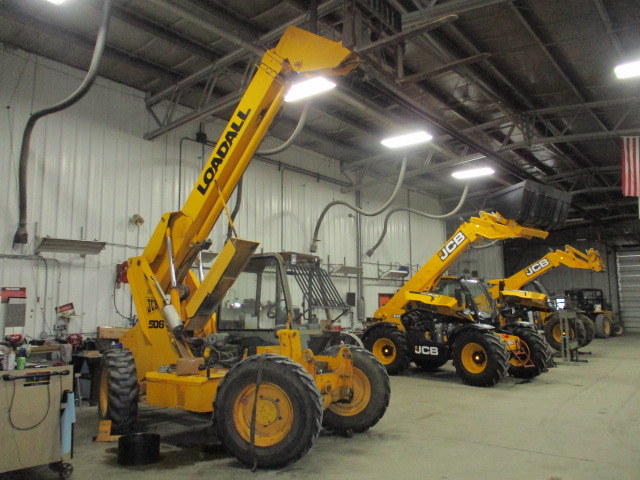
Avoid wrapping machinery tightly with plastic or non-breathable materials. This can actually trap humidity and promote mold and rust development. Instead, choose covers designed for winter storage with airflow built in.
For limited indoor storage, prioritize sensitive machines like planters, sprayers, and units with electronic control systems. Protect dashboards and monitors with waterproof barriers, and tag cables or disconnected lines clearly for smoother reassembly.
Don't forget visibility markers for outdoor-stored equipment. Flags or reflective tape make machinery easy to spot during snow removal or low-light conditions. This simple step prevents costly accidents on your own property.
Protect Your Investment, One Season at a Time
Your farm equipment is more than just metal—it’s the backbone of your operation. Preparing machines properly for winter protects performance, cuts down on future repairs, and sets you up for a productive spring.
Taking time now means less stress later. Whether it’s swapping fluids, inspecting hoses, or rolling on fresh grease, the off-season is your best opportunity to gain long-term value from your equipment.
Let us equip your operations with expert seasonal maintenance and OEM-certified parts designed to keep your fleet field-ready. Contact us to schedule your winter prep service and experience trusted support from Windridge Implements.