
Optimal soil health is foundational to successful crop production, and selecting the right tillage tools is crucial in achieving this goal. Effective tillage enhances soil structure, promotes nutrient availability, and prepares the seedbed for planting. Understanding the specific needs of your fields allows for the selection of appropriate equipment that balances soil conservation with productivity. Investing in the right tools ensures long-term soil vitality and sustainable farming practices.
Advancements in tillage technology have provided farmers with a range of options tailored to various soil types and crop requirements. From primary tillage implements that break up compacted soil to secondary tools that refine the seedbed, each plays a role in field preparation. Integrating these tools into your farming operations requires careful planning and knowledge of their functions. Collaborating with equipment specialists can aid in selecting and maintaining the tools best suited to your agricultural needs.
1. Chisel Plow
The chisel plow is designed for deep tillage without inverting the soil, thereby preserving soil structure without the need for additional tools. Its shanks penetrate compacted layers, enhancing water infiltration and root development. These tillage tools are particularly effective in conservation tillage systems where maintaining surface residue is essential. Adjustable depth settings allow for flexibility across various soil conditions and crop requirements.
Incorporating a chisel plow into your tillage regimen can alleviate compaction issues that hinder plant growth. By loosening the subsoil, it promotes better aeration and nutrient movement. Regular use can lead to improved crop yields and soil health over time. It's important to monitor soil moisture levels to determine the optimal timing for chisel plowing operations.
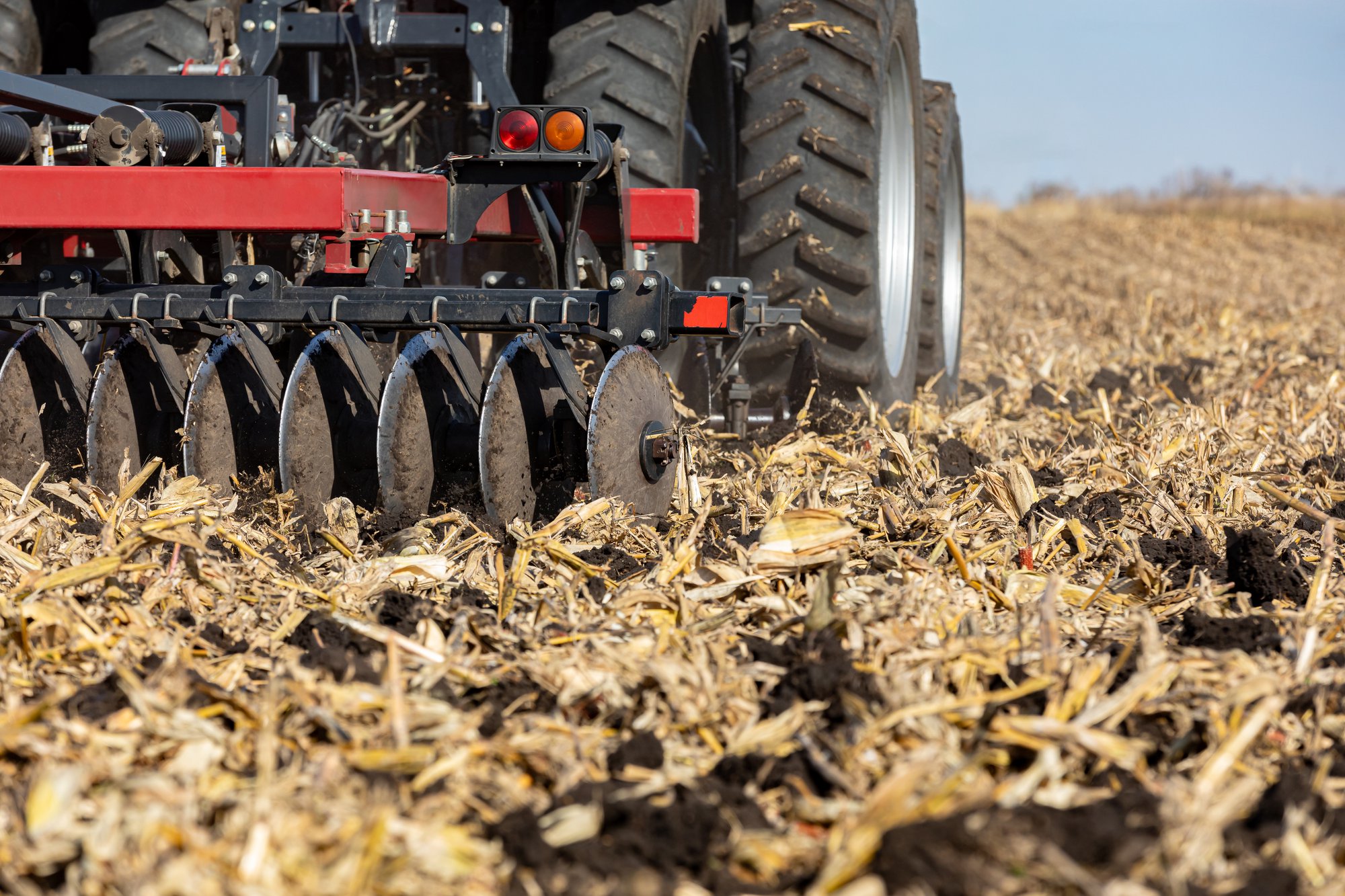
Maintenance of the chisel plow involves checking shank integrity and replacing worn points to ensure effective soil penetration. Proper calibration and alignment are crucial for uniform tillage depth and coverage. Operators should be trained to recognize signs of wear and adjust settings accordingly. Consistent upkeep extends the implement's lifespan and performance.
When selecting a chisel plow, consider the horsepower requirements and compatibility with existing equipment. Consulting with equipment specialists can help you choose a model that meets your farm's specific needs. Investing in a high-quality chisel plow contributes to efficient field preparation and long-term soil conservation, making it a valuable addition to any sustainable farming operation.
2. Subsoiler
Subsoilers are essential for breaking up deep, compacted soil layers, known as hardpans, which restrict root growth and water movement. Their long, sturdy shanks penetrate the soil beyond the reach of other tillage tools. This deep tillage improves drainage and allows roots to access nutrients more effectively. Subsoiling is particularly beneficial in fields with heavy machinery traffic or naturally compacted soils.
Implementing subsoiling practices can lead to enhanced crop performance and reduced waterlogging issues. It's advisable to conduct soil compaction tests to identify areas requiring deep tillage with your tools. Timing subsoiling operations when the soil is dry enough prevents smearing and maximizes effectiveness. Regular assessment ensures that the benefits of subsoiling are realized across the field.
Maintenance of subsoilers includes inspecting shanks for wear and ensuring that points are sharp and properly aligned. Adjusting the depth settings according to soil conditions is crucial for optimal performance. Operators should be trained to recognize signs of compaction and adapt their approach accordingly. Proper use and maintenance extend the tool's effectiveness and longevity.
Selecting the appropriate subsoiler involves considering the depth of compaction and the power capacity of your tractor. Consulting with equipment experts can help you choose a model that aligns with your farm's specificrequirements. Investing in a reliable subsoiler enhances soil structure and supports sustainable crop production, making it a strategic tool for long-term soil health management.
3. Disc Harrow
Disc harrows are versatile tillage tools used for breaking up clods, incorporating crop residues, and leveling the soil surface. They consist of a series of concave discs mounted on a frame, which cut into the soil as the implement is pulledthrough. Disc harrows are effective in both primary and secondary tillage operations, preparing the seedbed by creating a fine, uniform soil texture conducive to planting.
Using a disc harrow helps manage weeds and mix fertilizers or organic matter into the soil. Adjusting the angle and spacing of the discs allows for customization based on soil conditions and tillage depth requirements. Regular use promotes a consistent seedbed, leading to uniform crop emergence. It's essential to match the disc harrow size with your tractor's horsepower for efficient operation.
Maintenance involves checking for worn or damaged discs and ensuring that bearings and axles are correctly lubricated. Proper alignment and tension of the discs are crucial for effective soil penetration and mixing. Operators should be trained to make necessary adjustments and recognize signs of wear. Routine maintenance ensures the implement's longevity and performance.
When selecting a disc harrow, consider the soil type, field size, and desired tillage depth. Consulting with equipment specialists can help in choosing a model that meets your specific farming needs. Investing in a quality disc harrow enhances field preparation and contributes to successful planting seasons, making it a fundamental tool for efficient soil management.
4. Field Cultivator
Field cultivators are tools designed for secondary tillage, focusing on seedbed preparation and weed control. They feature multiple shanks or tines that stir the soil, breaking up clods and uprooting weeds. Field cultivators are effective in creating a smooth, level seedbed for planting. They also aid in incorporating fertilizers and organic matter into the soil.
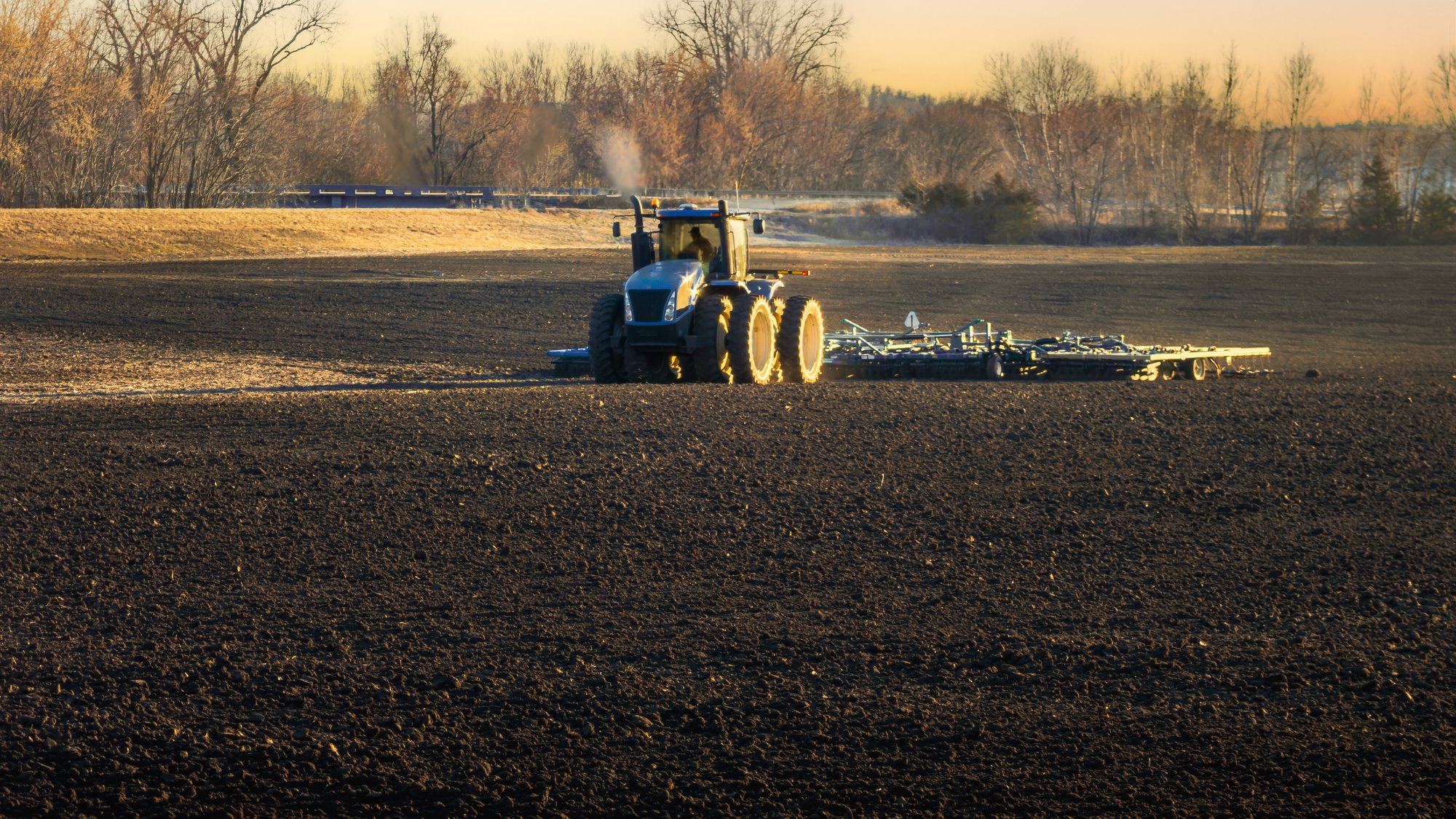
Utilizing a field cultivator promotes soil aeration and moisture retention, essential for seed germination and root development. Adjusting the depth and spacing of the tines allows for customization based on crop requirements and soil conditions. Regular use helps maintain a weed-free environment, reducing competition for nutrients. It's important to operate the cultivator at appropriate speeds to ensure effective soil disturbance.
Maintenance includes inspecting tines for wear and ensuring that all components are securely fastened. Lubricating moving parts and checking for alignment issues are crucial for optimal performance. Operators should be trained to make necessary adjustments and recognize signs of equipment stress. Consistent maintenance extends the implement's service life and efficiency.
Selecting the right field cultivator involves considering the width of the implement, tine configuration, and compatibility with your tractor. Consulting with equipment experts can help you choose a model that aligns with your farming practices. Investing in a reliable field cultivator enhances seedbed preparation and supports successful crop establishment, making it a valuable tool for maintaining productive fields.
5. Rotary Tiller
Rotary tillers, also known as rotavators, are used for fine seedbed preparation and soil mixing. They consist of rotating blades or tines mounted on a horizontal shaft that pulverize the soil as the implement moves forward. Rotary tillage tools are ideal for incorporating organic matter and breaking up compacted soil layers. They are commonly used in vegetable gardens, nurseries, and small-scale farming operations.
Employing a rotary tiller enhances soil structure and promotes uniform seed germination. Adjusting the depth and speed of the tiller allows for customization based on soil conditions and crop requirements. Regular use leads to a well-prepared seedbed, conducive to healthy plant growth. It's important to operate the tiller at appropriate speeds to prevent soil smearing and compaction.
Maintenance involves checking blades for wear and ensuring that all components are correctly lubricated. Inspecting the gearbox and drive system for signs of stress or damage is crucial for reliable operation. Operators should be trained to make necessary adjustments and recognize signs of equipment fatigue. Routine maintenance ensures the implement's longevity and performance.
When selecting a rotary tiller, consider the width of the implement, blade configuration, and compatibility with your tractor. Consulting with equipment specialists can help in choosing a model that meets your specific farming needs. Investing in a quality rotary tiller enhances soil preparation and contributes to successful planting seasons, making it an essential tool for efficient field management.
Find The Best Tillage Tools for Your Needs
Tillage tools play a critical role in preparing healthy, productive fields that support strong crop emergence and long-term soil vitality. Choosing the right implements for your operation ensures better moisture retention, improved aeration, and consistent seedbed conditions. Each tool, from subsoilers to rotary tillers, serves a precise function that contributes to overall efficiency and field performance. Work with trusted experts to select, service, and support your tillage lineup for every season. To explore durable, field-proven tillage tools supported by expert technicians and precision solutions, contact Windridge Implements or visit one of our locations in northeastern Iowa.