
Farming operations depend heavily on machinery performance during tight seasonal windows. Downtime can reduce productivity, strain labor resources, and disrupt harvest schedules across entire fields. As equipment ages, producers face a critical choice: continue repairing or move forward with a replacement. Knowing how to evaluate aging farm equipment with a long-term mindset is essential to cost-effective decision-making.
Equipment does not fail overnight—it follows a pattern of wear, declining efficiency, and increased repair costs. Some repairs restore functionality without sacrificing reliability, while others are just temporary patches. Operators must recognize the signs of diminishing return when repair costs start matching or exceeding equipment value. Strategic decisions backed by performance data, inspection, and application needs will lead to better outcomes.
Weighing Repair Costs Against Equipment Value
Owners must calculate the actual repair cost relative to the remaining value of aging farm equipment. If a single repair expense surpasses 50 percent of the unit’s resale value, replacement may be a smarter choice. Equipment value erodes faster when it frequently breaks down during peak seasons, especially under heavy workloads. Reliability concerns also carry hidden costs in yield loss, crew inefficiency, and late planting or harvesting penalties.
Budget constraints often drive a preference for repair, but that decision should not override recurring cost analysis. Frequent part replacements, mounting labor bills, and delivery delays for discontinued components all point to a tipping point. If downtime becomes more common than uptime, the operational cost exceeds any perceived savings. In many cases, older equipment becomes a drain rather than an asset.
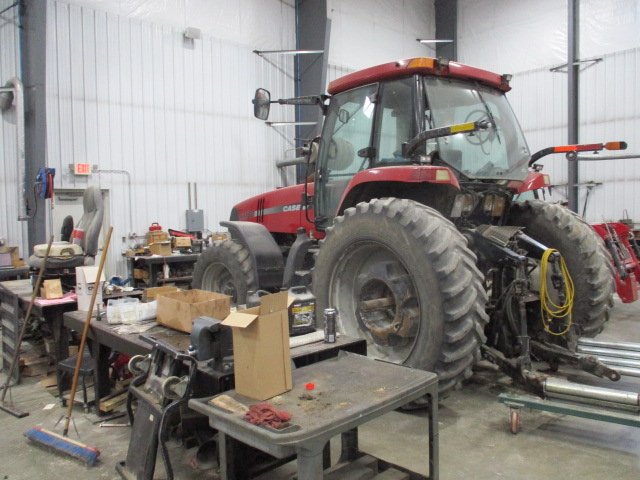
It is important to evaluate if the repair addresses a critical function or simply prolongs use of outdated technology. Some repairs offer true restoration—others just postpone necessary investment. Repairs tied to legacy hydraulic, electrical, or control systems may never return full reliability. Upgrading to more modern systems allows for enhanced productivity and compatibility with newer implements.
Age alone does not determine when to stop repairing equipment, but trends in performance and maintenance do. Persistent hydraulic leaks, uneven wear, engine inefficiency, and structural fatigue suggest it is time to reevaluate the machine’s future. Documented history from maintenance logs supports stronger decisions, especially when multiple systems begin to fail simultaneously. Farmers who analyze these trends gain better foresight on where to reinvest capital.
Factoring in Downtime and Productivity Loss From Aging Farm Equipment
Machine uptime during harvest and planting windows is a top priority for high-efficiency operations. Repeated breakdowns in aging farm equipment translate directly to productivity gaps, delivery delays, and missed market opportunities. Unscheduled downtime disrupts task sequences and forces operators to reschedule field operations under less favorable weather. Those disruptions are costly, especially in tight harvest calendars.
Downtime costs extend beyond repair bills and idle hours. Delays often force overlapping tasks, double handling, and inefficient resource allocation across crews and machines. Seasonal labor becomes harder to manage when machines fail to operate consistently. Equipment that cannot be trusted under pressure limits productivity in more than one area.
Scheduled servicing and preventative maintenance routines lose their value when repair frequency becomes unpredictable. A reliable unit should deliver performance within a serviceable cycle—not break down two or three times per month. Emergency repairs on older equipment tend to cost more due to overtime labor and rushed parts procurement. Operational efficiency suffers when more time is spent fixing than working.
Productivity metrics must also include the effect on fuel consumption and task completion rates. Older units often run longer to achieve the same output, requiring more inputs for the same result. Repairing machines without addressing fundamental inefficiencies prolongs equipment underperformance. Operators should consider newer alternatives that complete jobs faster, cleaner, and more efficiently.
Assessing Equipment Age, Hours, and Technology Compatibility
Equipment hours provide a more accurate performance benchmark than age alone. A ten-year-old tractor with moderate hours and strong service history might outperform a five-year-old machine with extreme use. Usage patterns, service intervals, and the working environment all affect wear. Heavy tillage, rock-prone soils, or extreme climate exposure accelerate component fatigue.
Mechanical age includes more than engine hours—it covers drivetrain performance, hydraulic flow efficiency, and overall system integrity. Worn bearings, cracked welds, hydraulic seepage, and corroded electricals all point toward retirement readiness. Age also limits parts compatibility when manufacturers phase out older model lines. Delays in securing components for outdated systems lead to long periods of unavailability.
Compatibility with modern implements and digital systems becomes a deciding factor for many growers. New planters, applicators, and guidance systems often require ISO-compliant hookups or precision agriculture integration. Aging farm equipment that cannot interface with smart controls or data mapping software limits future expansion. Investing in machinery with backward-compatible features supports broader upgrades across the fleet.
Technology upgrades also matter for safety, fuel use, and comfort. Cab ergonomics, suspension systems, and emissions compliance standards have evolved significantly in recent years. Outdated equipment lacks modern monitoring displays and diagnostic tools. Farmers who rely on older units often miss the feedback needed for optimal daily operation.
Understanding the Value of Trade-in and Resale Timing for Aging Farm Equipment
Strategic timing influences the trade-in value of aging farm equipment. Equipment traded in before complete mechanical failure typically retains higher resale value. Delaying the decision may reduce the unit’s appeal due to mechanical defects or outdated design. Dealers are more willing to work with machines that still function reliably.
Resale potential fluctuates depending on current demand, market saturation, and season. Equipment with consistent maintenance documentation and minimal cosmetic wear commands stronger offers from buyers. Keeping older equipment in presentable condition—clean, greased, and maintained—increases potential resale value. Reinvesting in small repairs before trade-in often results in higher appraisal results.
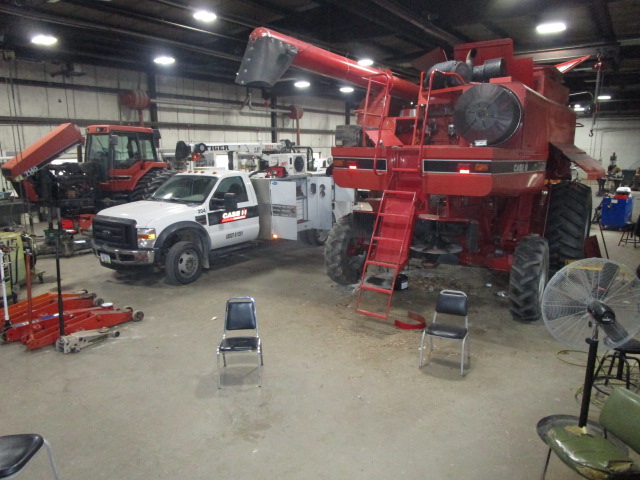
Selling equipment privately may yield higher returns, but it also takes time and negotiation. Farmers looking for quick equipment turnover often benefit from dealership trade-in offers. Those transactions support streamlined purchasing processes, especially when upgrading to a new or lightly used replacement. Choosing the right time in the season ensures equipment moves before depreciation spikes.
Trade-in value is directly affected by model popularity and availability of aftermarket parts. Units with widespread adoption hold value longer due to demand from other operators. Less common models often depreciate faster as replacement parts become scarce. Evaluating model relevance helps predict the return on investment before initiating a sale.
Aligning Farm Equipment Choices With Long-Term Goals
Farmers must align equipment investments with long-term business strategies and acreage demands. Equipment size, fuel type, technology capabilities, and implement compatibility should fit projected workloads over several seasons. Buying ahead of need ensures operators stay productive as operations scale upward. Holding on to outdated equipment risks long-term limitations.
In some cases, consolidating functions across machines allows for a smarter upgrade path. For example, replacing two inefficient tools with one high-performance unit may save labor, fuel, and servicing costs. Centralizing controls, guidance, and monitoring under a single platform reduces operator training requirements. Strategic investment improves reliability across the fleet while reducing total ownership cost.
When future expansion is part of the plan, equipment decisions must support precision technology, increased horsepower, and variable-rate application needs. Machines that cannot grow with those demands require more frequent replacement. Reinvesting capital toward scalable platforms helps extend machine life across shifting priorities. A replacement strategy must anticipate tomorrow’s needs—not only today’s performance issues.
Purchasing decisions should not only be reactive. They should reflect detailed analysis, market research, and consultation with experienced equipment specialists. Leveraging dealer insights, service records, and depreciation models supports informed buying. Operational efficiency relies on selecting equipment that sustains reliability under seasonal pressure.
Replace or Repair Aging Farm Equipment: Plan Your Next Move With Confidence
Deciding whether to replace or repair aging farm equipment requires a detailed look at costs, downtime, and future productivity. Equipment that no longer meets reliability standards or fails to support modern applications often becomes a liability. Evaluate your options carefully to avoid overcommitting to temporary fixes that drain your resources. Explore your next upgrade from a trusted local equipment partner here at Windridge Implements.