

Modern agriculture is undergoing a significant transformation, driven by the adoption of advanced technologies. Among these, GPS and precision ag tools have emerged as critical components in optimizing farm operations. These technologies enable farmers to make data-driven decisions, enhancing efficiency and productivity. Understanding their integration into daily activities is essential for staying competitive in the agricultural sector.
Precision agriculture leverages GPS technology to provide accurate location data, facilitating precise field mapping and equipment guidance. This accuracy reduces overlaps and gaps during planting, fertilization, and harvesting, leading to more effective resource management. Additionally, GPS-enabled equipment can operate autonomously, increasing operational efficiency. Embracing these tools allows farmers to optimize inputs, reduce waste, and improve yields.
Understanding GPS Technology in Agriculture
GPS technology has become a cornerstone in modern farming, offering real-time location data for various applications. Farmers utilize Ag tools like GPS for field mapping, enabling precise planning of planting and harvesting activities. This precision ensures uniform coverage, minimizing input waste and maximizing crop yields. Furthermore, GPS-guided machinery can operate with minimal human intervention, increasing efficiency.
Incorporating GPS into soil sampling practices enables the creation of detailed soil maps, which identify variability in soil properties and guide the targeted application of fertilizers and amendments. Such targeted interventions enhance soil health and crop performance. Furthermore, GPS data supports compliance with environmental regulations by accurately documenting field activities.
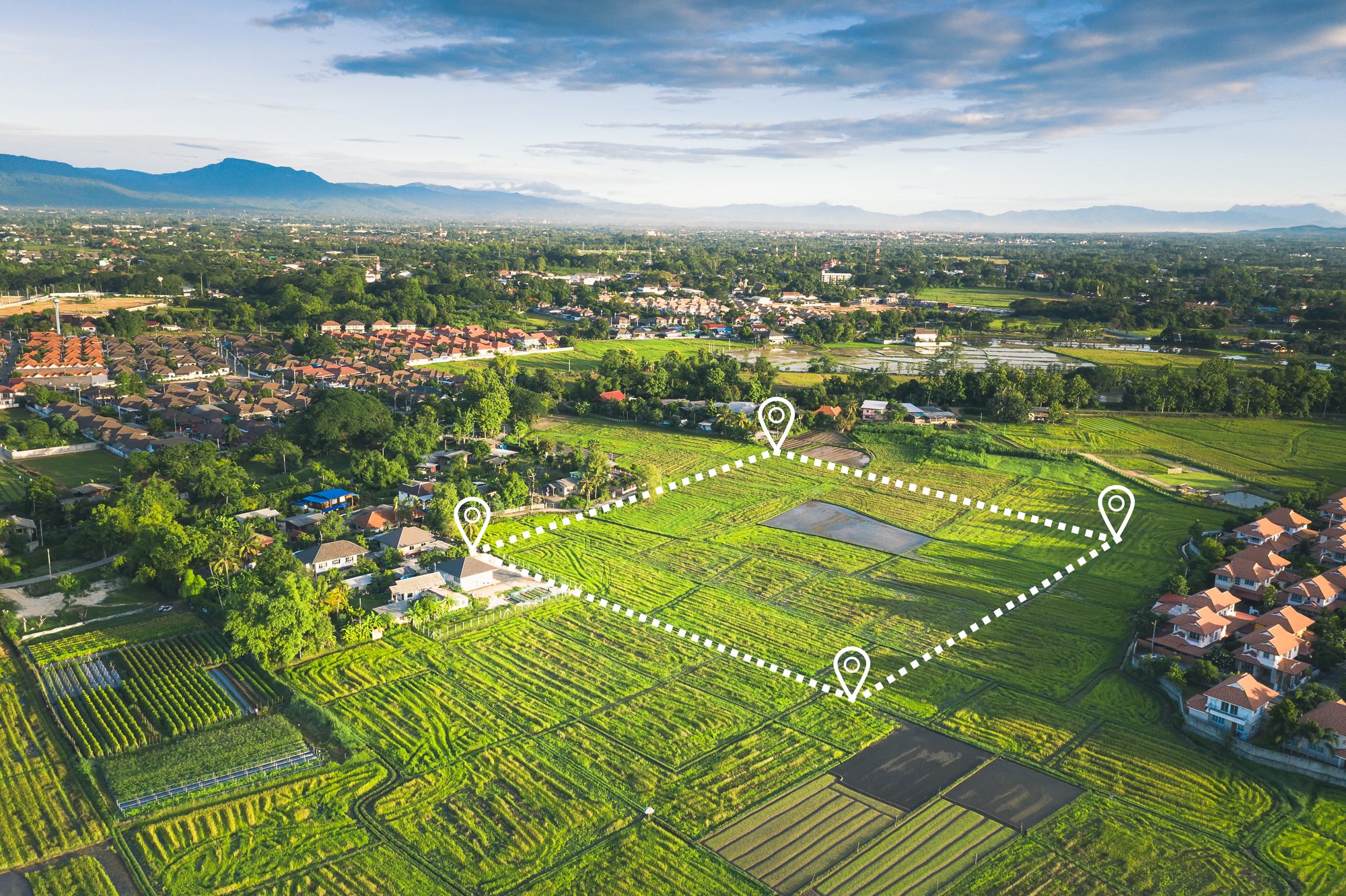
Yield mapping, facilitated by GPS, provides insights into crop performance across different field zones. Analyzing this data helps identify patterns and inform future management decisions. Understanding yield variability is crucial for optimizing input use and maximizing profitability. Furthermore, integrating GPS data with farm management software streamlines record-keeping and analysis.
Combining GPS with Geographic Information Systems (GIS) enhances data visualization and decision-making. GIS layers various data sets, offering a comprehensive view of field conditions. This integration supports precision in planning and executing farming operations. Overall, GPS technology is instrumental in advancing sustainable and efficient agricultural practices.
Precision Ag Tools: Enhancing Farm Efficiency
Precision ag tools encompass a range of technologies designed to optimize farming operations. These include sensors, variable rate technology (VRT), and remote sensing devices that collect and analyze data in real-time. Utilizing this information enables farmers to make informed decisions, improving efficiency and productivity. Implementing these tools leads to more sustainable and profitable farming practices.
Variable rate technology allows for the application of inputs, such as fertilizers and pesticides, at varying rates across a field. This targeted approach ensures each area receives the appropriate amount of input, reducing waste and environmental impact. VRT relies on data collected from sensors and field maps to determine optimal application rates. As a result, farmers can achieve better crop performance while conserving resources.
Remote sensing devices, including drones and satellite imagery, provide valuable insights into crop health and field conditions. These tools detect issues such as nutrient deficiencies, pest infestations, and water stress at an early stage. Early detection allows for timely interventions, preventing yield losses and improving overall crop quality. Incorporating remote sensing into daily operations enhances proactive farm management.
Data collected from precision ag tools can be integrated into farm management software for comprehensive analysis. This integration facilitates tracking of field activities, input usage, and crop performance over time. Access to historical data supports continuous improvement and strategic planning. Ultimately, precision ag tools empower farmers to make informed decisions that drive success.
Implementing Precision Ag Tools and Technologies: Steps for Success
The successful integration of precision agriculture tools begins with a thorough assessment of farm operations and goals. Identifying areas where technology can address specific challenges is crucial for selecting appropriate tools. Engaging with experts and service providers offers valuable guidance during this process. A clear understanding of operational needs ensures technology investments yield desired outcomes.
Training and education are essential components of technology adoption. Farmers and their teams must become proficient in using new tools to maximize benefits. Ongoing support and resources from equipment providers facilitate this learning process. Investing in training ensures technology is utilized effectively and efficiently.
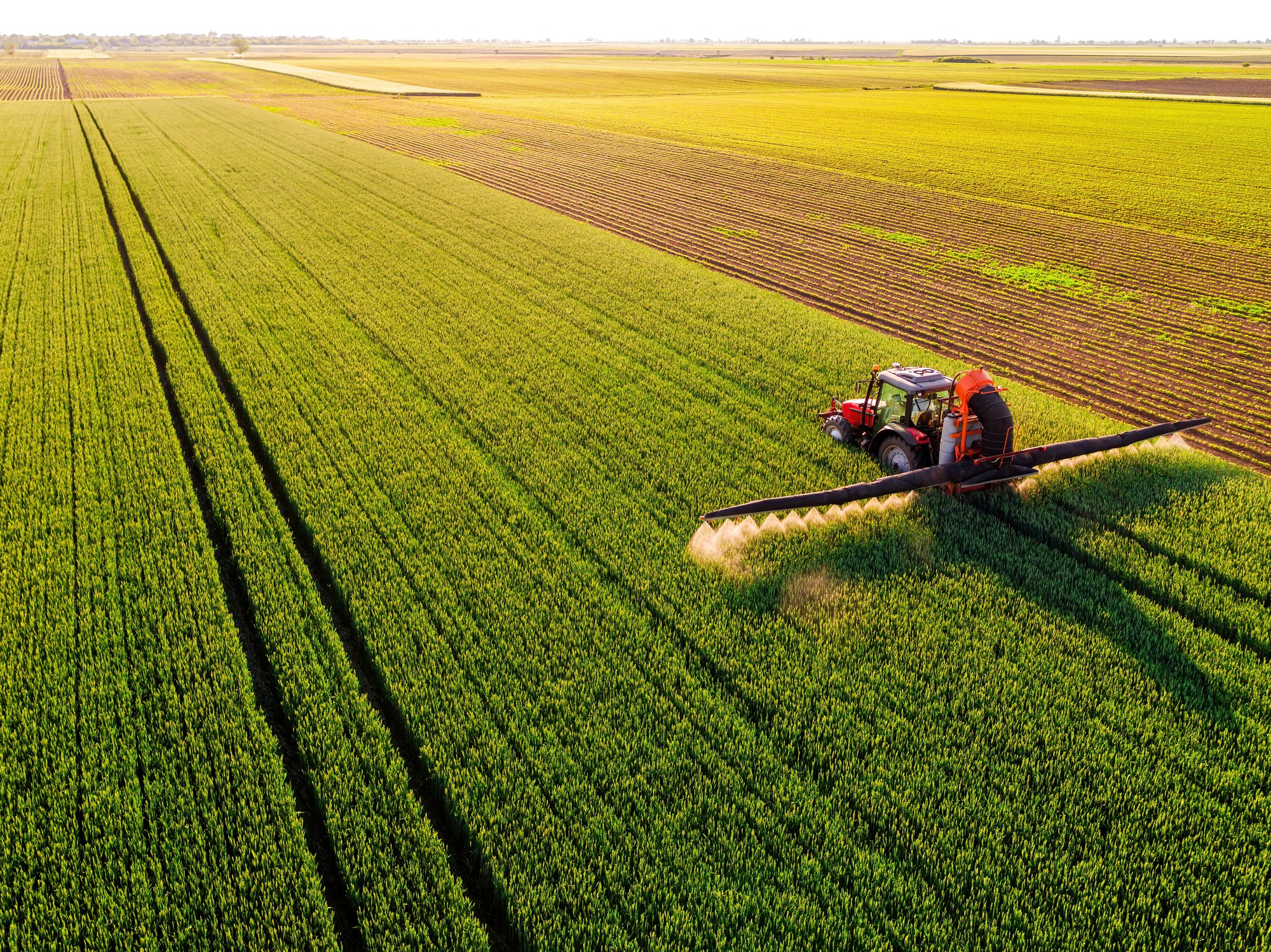
Integrating precision technologies often requires upgrading existing equipment or infrastructure. Ensuring compatibility between new tools and current systems is vital for seamless operation. Collaborating with knowledgeable dealers and technicians helps address compatibility issues. Proper integration minimizes disruptions and enhances overall farm performance.
Monitoring and evaluating the performance of precision technologies is necessary for continuous improvement. Regularly reviewing data and outcomes helps identify areas for adjustment and optimization. Feedback from these evaluations informs future decisions and technology investments. A commitment to ongoing assessment ensures precision technologies continue to meet evolving farm needs.
Overcoming Challenges in Adopting Smart Farming Technologies
Adopting innovative Ag tools and technologies presents several challenges that farmers must navigate. Initial investment costs can be significant, potentially deterring some from embracing these tools. Evaluating long-term benefits and return on investment is essential. Financial planning and exploring funding options can alleviate the burden of upfront expenses.
Technical complexity and the learning curve associated with new technologies can be daunting. Accessing training programs and support services helps build confidence and competence in using these tools. Additionally, peer networks and agricultural extension services provide valuable assistance. Developing a strong support system facilitates smoother adoption and integration.
Data management and privacy concerns are important considerations when implementing precision technologies. Establishing clear protocols for data collection, storage, and sharing ensures compliance with regulations and protects sensitive information. Working with reputable service providers who prioritize data security is advisable. Transparent data practices build trust and encourage broader adoption of innovative technologies.
Infrastructure limitations, such as inadequate internet connectivity, can hinder the effectiveness of precision tools. Investing in necessary infrastructure upgrades or exploring alternative solutions, like offline data collection methods, can mitigate these issues. Collaborating with local authorities and service providers may also help improve access to essential infrastructure. Addressing these challenges is crucial for maximizing the potential of innovative farming technologies.
Integrate The Right Ag Tools for Your Farm
Integrating GPS and precision ag tools into daily farming operations offers numerous benefits, including enhanced efficiency, reduced waste, and improved productivity. While challenges exist, strategic planning, training, and support facilitate successful adoption. Embracing these technologies positions farmers to thrive in an increasingly competitive and technologically advanced agricultural landscape. Investing in innovative farming tools is a proactive step toward sustainable and profitable farming.
For expert assistance in selecting and implementing the right ag tools for your operation, visit Windridge Implements. Our team offers a full range of new and used agricultural and construction equipment, precision farming technology, expert service, and a comprehensive parts department. We support farmers, specialty crop growers, and construction professionals with tailored equipment solutions and on-site maintenance. Explore our offerings at Windridge Implements to enhance your farm's efficiency and productivity.