

As the planting season approaches, ensuring your machinery is in peak condition becomes paramount. The efficiency and reliability of your planting equipment directly influence crop establishment and yield potential. Properly maintained and calibrated machinery not only enhances productivity but also minimizes downtime during critical planting windows. Investing time in equipment readiness now can lead to significant gains throughout the growing season.
Understanding the intricacies of your planting equipment allows for precise operations tailored to specific crop requirements. Regular inspections and adjustments ensure optimal seed placement and soil contact, which are crucial for uniform germination. Staying ahead with equipment maintenance schedules can prevent unexpected failures in the field. Collaborating with knowledgeable service providers ensures that your machinery operates at its best when it matters most.
1. Preparing Your Planters for Peak Performance
Thoroughly inspecting your planters before the season starts is essential to identify wear and potential issues. Focus on components like seed meters, discs, and closing wheels, as their condition directly affects planting accuracy. Replacing worn parts and calibrating systems can prevent uneven seed distribution and depth inconsistencies. Ensuring all moving parts are lubricated and functioning smoothly reduces the risk of breakdowns during operation.
Calibration of seed meters is critical for achieving desired planting rates and spacing. Utilizing test stands or field checks can help verify meter accuracy under actual operating conditions. Adjustments based on seed size and type ensure consistent delivery and optimal emergence. Regular calibration checks throughout the season maintain performance as conditions and seed lots change.
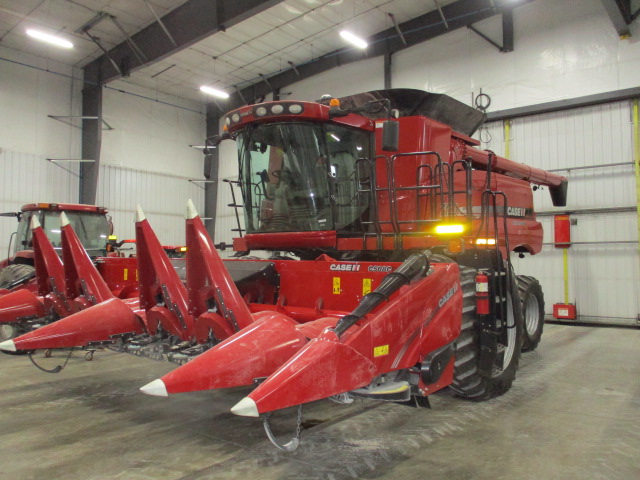
Monitoring tire pressure and alignment contributes to uniform planter operation across varying field conditions. Properly inflated and aligned tires ensure consistent depth control and reduce soil compaction. Inspecting hydraulic systems for leaks or wear prevents performance issues and maintains consistent downforce. Hydraulic fluid levels and filter conditions should be checked and serviced as recommended.
Electrical systems, including monitors and sensors, require attention to ensure accurate data collection and system control. Inspect wiring harnesses for damage or corrosion that could lead to signal loss or malfunctions. Updating software and firmware on control units can enhance functionality and compatibility with other systems. Functional diagnostics should be performed to confirm system readiness before entering the field.
2. Integrating Precision Agriculture Technologies
Incorporating precision agriculture technologies into planting operations enhances efficiency and data-driven decision-making. GPS-guided systems enable accurate row spacing and minimize overlap, conserving seed and inputs. Variable rate technology allows for site-specific planting prescriptions based on soil variability and yield potential. Implementing these technologies requires proper setup and calibration to realize their full benefits.
Data collected during planting, such as population rates and seed spacing, provides valuable insights for in-season management. Analyzing this information helps identify areas for improvement and informs future planting strategies. Ensuring data integrity involves regular maintenance of sensors and data logging equipment. Secure data storage and backup protocols protect against loss and facilitate easy access for analysis.
Compatibility between planting equipment and precision agriculture tools is crucial for seamless operation. Verifying that monitors, controllers, and implements communicate effectively prevents operational disruptions. Firmware updates and equipment upgrades may be necessary to maintain compatibility with evolving technologies. Consulting with experts can assist in integrating systems and troubleshooting potential issues.
Training operators on the use of precision technologies ensures that equipment is utilized to its full potential. Understanding system capabilities and limitations allows for informed decision-making in the field. Regular training sessions keep staff updated on new features and best practices. Empowered operators contribute to more efficient and effective planting operations.
3. Managing Equipment Logistics and Field Readiness
Efficient logistics planning ensures that planting equipment is available and operational when and where it's needed. Coordinating equipment movement between fields minimizes downtime and maximizes planting windows. Maintaining a schedule for equipment transport and setup streamlines operations and reduces stress during peak periods. Utilizing checklists for equipment readiness can prevent oversights and ensure consistency.
Field conditions should be assessed prior to equipment deployment to identify potential obstacles or issues. Evaluating soil moisture, residue levels, and terrain informs equipment settings and adjustments. Addressing field-specific challenges proactively enhances planting efficiency and effectiveness. Collaborating with agronomists or field specialists can provide additional insights for optimal equipment operation.
Inventory management of spare parts and consumables supports uninterrupted planting operations. Stocking commonly used components reduces delays caused by unexpected breakdowns or wear. Establishing relationships with reliable suppliers ensures timely access to necessary parts. Implementing a tracking system for inventory helps maintain adequate stock levels throughout the season.
Regular communication among team members facilitates coordination and responsiveness during planting. Sharing updates on equipment status, field conditions, and progress promotes situational awareness. Utilizing communication tools and protocols enhances collaboration and decision-making. Effective communication contributes to a cohesive and efficient planting operation.
4. Ensuring Operator Safety and Efficiency
Prioritizing operator safety is essential for a successful planting season. Conducting pre-season training on equipment operation and safety protocols prepares operators for field conditions. Reviewing emergency procedures and first aid measures enhances readiness for unforeseen incidents. Providing personal protective equipment and enforcing safety guidelines reduces the risk of injury.
Ergonomic considerations in equipment design and setup can improve operator comfort and reduce fatigue. Adjusting seats, controls, and displays to suit individual operators enhances usability and efficiency. Regular breaks and shift rotations help maintain alertness and performance during long planting hours. Monitoring operator well-being contributes to sustained productivity throughout the season.
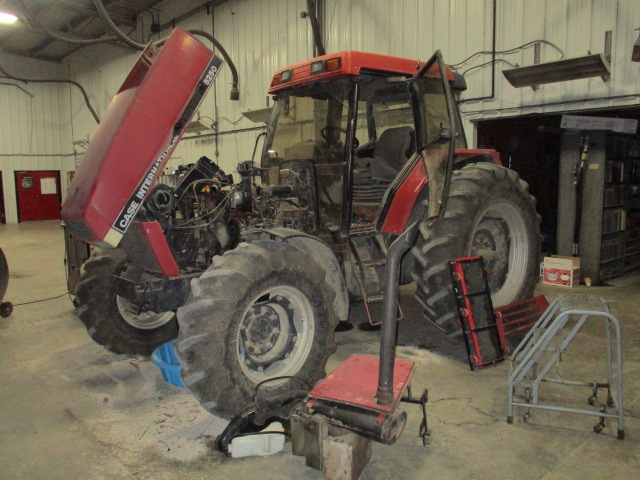
Implementing standard operating procedures ensures consistency and quality in planting operations. Documenting best practices and protocols provides a reference for operators and supports training efforts. Regular reviews and updates of procedures incorporate new insights and improvements. Adherence to standardized processes enhances overall efficiency and effectiveness.
Utilizing technology to monitor equipment performance and operator behavior can identify areas for improvement. Telematics systems provide real-time data on equipment usage, fuel consumption, and operational parameters. Analyzing this data supports informed decision-making and continuous improvement initiatives. Engaging operators in performance discussions fosters a culture of accountability and excellence.
5. Planning for Post-Planting Equipment Maintenance
Post-planting maintenance is crucial for preserving equipment longevity and readiness for future operations. Thorough cleaning of machinery removes residues that can cause corrosion or attract pests. Inspecting components for wear or damage identifies issues that may have developed during planting. Documenting maintenance activities provides a record for future reference and planning.
Lubricating moving parts and replacing filters and fluids as needed maintains equipment performance. Addressing minor repairs promptly prevents escalation into more significant problems. Storing equipment in sheltered environments protects against weather-related deterioration. Implementing a storage protocol ensures machinery remains in optimal condition during the off-season.
Evaluating equipment performance during planting informs decisions on upgrades or replacements. Gathering feedback from operators provides insights into functionality and areas for improvement. Assessing return on investment for equipment guides future purchasing decisions. Engaging with equipment specialists can assist in identifying suitable options for operational needs.
Planning for off-season maintenance schedules distributes workload and prevents last-minute preparations. Scheduling inspections and servicing during slower periods ensures equipment is ready for the next season. Maintaining relationships with service providers facilitates timely support and access to expertise. Proactive maintenance planning contributes to sustained equipment reliability and performance.
Find The Right Farm Equipment For You
Ensuring your planting equipment is prepared and supported throughout the season is vital for achieving optimal crop outcomes. Comprehensive maintenance, integration of precision technologies, and attention to operator safety contribute to efficient and effective planting operations. Proactive planning and collaboration with knowledgeable service providers enhance equipment performance and reliability. Investing in these practices supports long-term success and productivity in your agricultural endeavors.
For expert assistance in preparing and maintaining your planting equipment, visit Windridge Implements at our Cresco, Decorah, or Elkader locations. Our team is dedicated to providing the products, services, and support you need for a successful planting season. Explore our offerings and connect with our specialists to optimize your equipment performance. Let Windridge Implements be your partner in agricultural excellence.