
Precision farming has reshaped how growers approach land stewardship, input use, and yield optimization across diverse cropping systems. Advanced tools empower producers to apply data-informed strategies that increase efficiency and reduce environmental impact. Operators now harness site-specific information to guide seeding, fertilizing, and crop protection with pinpoint accuracy. Sophisticated integration between machines, sensors, and software enables more profitable and sustainable farm management.
Modern agriculture depends on equipment that goes beyond brute strength and into smart field insight. Producers now seek machinery that can adjust to crop conditions and terrain variability in real time. Combining rugged performance with digital compatibility is no longer optional for achieving competitive efficiency. Implement dealers offering both durable tools and digital support have become critical partners in long-term farm profitability.
Soil Sensors and Mapping Systems
High-quality soil sensors provide the foundational data necessary for informed precision farming decisions. These tools measure moisture, temperature, salinity, and nutrient content across different field zones. Data collected from sensors enables variable-rate applications that optimize input use and protect soil health. Strategic equipment placement during tillage and planting relies on understanding this variability.
Field mapping systems offer a visual overview of in-field performance zones, crop history, and topographic variation. By pairing these systems with real-time kinematic (RTK) positioning, accuracy in seed placement and input application is enhanced.
Detailed zone maps inform both equipment calibration and long-term field management strategies—operators who integrate mapping tools with existing equipment experience measurable productivity gains.
Compatible implementation technology plays a crucial role in the success of precision integration. Modern planters and applicators must respond accurately to prescriptions generated by mapping software. Control systems installed on these implements adjust rates on the fly without operator intervention. Combining rugged field performance with thoughtful response makes these systems a core part of precision farming.
Support from experienced implement partners ensures smooth adoption and functionality of these complex tools. Dealers offering consultation, setup, and ongoing troubleshooting make sensor-driven farming a practical reality. Precision begins with robust agricultural equipment, but it only succeeds with long-term service and training. Availability of both hardware and expertise determines the value farmers gain from their investment.
GPS Guidance and Auto-Steer Systems
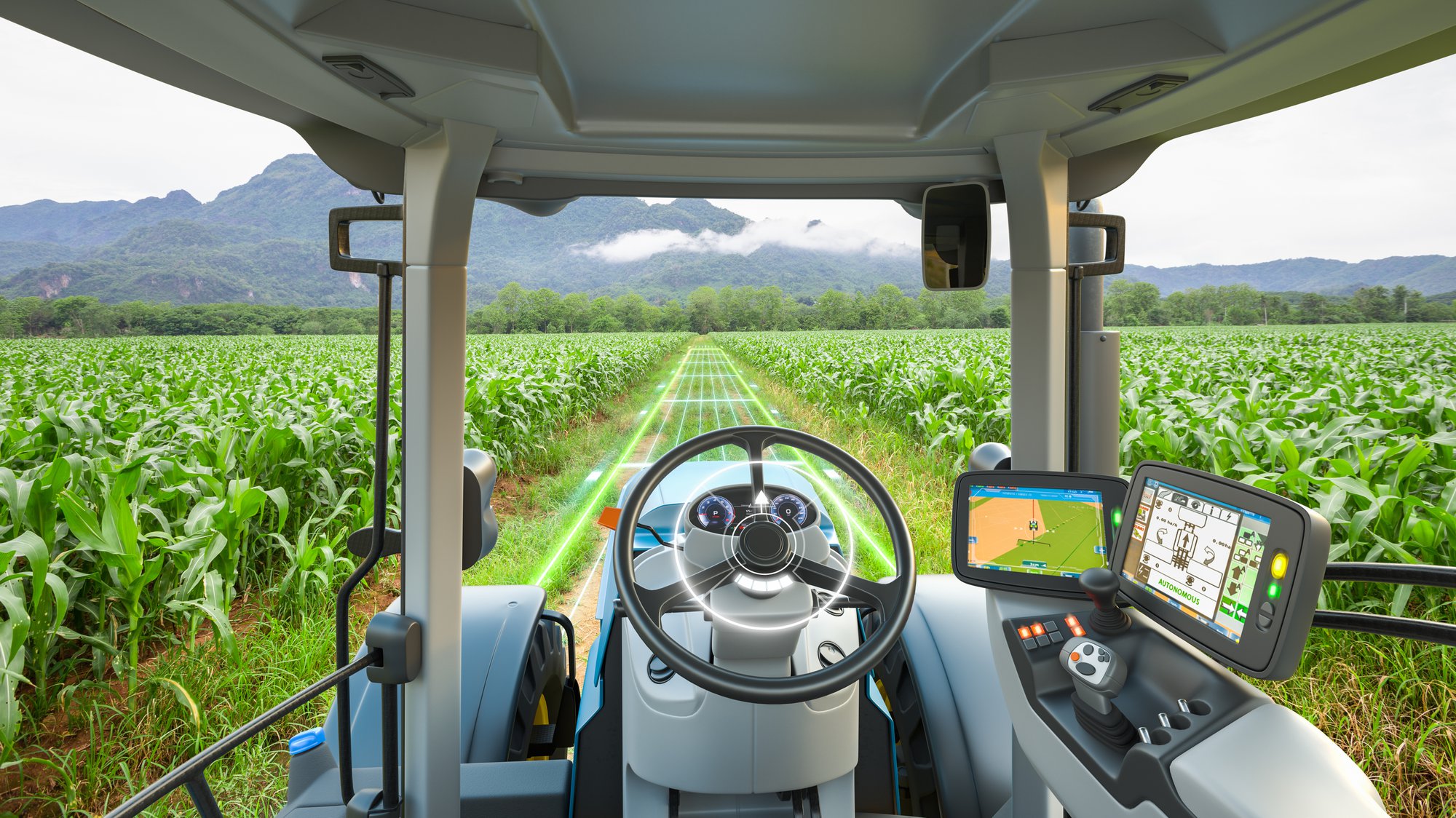
Tractors equipped with GPS guidance systems maintain precise driving lines regardless of visibility or terrain. Operators using autosteer systems experience reduced fatigue, improved efficiency, and less overlap during tillage, planting, and spraying. Savings in seed, fertilizer, and fuel directly impact the bottom line when precision steering is used across multiple passes. Line correction systems ensure consistent performance across years and crop rotations.
System compatibility with various implementations enhances return on investment. Whether running a sprayer or a grain cart, the equipment should align with tractor guidance systems for coordinated operation. Adaptive auto-steer platforms allow for different widths and configurations without losing precision. Integrated systems reduce the need for multiple monitors and simplify in-cab operation.
Operators benefit from high-definition displays that offer real-time field tracking and task control. Features like section control and rate adjustment directly interface with equipment through ISOBUS connections. Up-to-date software ensures these systems perform to full capacity with each field pass. Visibility into every foot of application creates a higher level of operational awareness.
Support matters as much as hardware when deploying guidance systems. Dealers that offer installation, upgrades, and technical support ensure ongoing value. When operators encounter GPS signal issues or calibration drift, responsive assistance protects uptime. The local availability of guidance solutions, backed by service, is crucial to success in the field.
Variable Rate Technology and Application Control
Variable rate technology (VRT) empowers producers to apply inputs only where and when needed. Equipment equipped with VRT applies seed, fertilizer, and crop protection at rates based on sensor or mapping data. Tailored input use protects profitability and supports environmental compliance. Precision farming depends on VRT-equipped planters, spreaders, and sprayers for optimal impact.
Precision application requires equipment that responds instantly to prescription maps. Control modules integrated with implements manage valve settings, seed meters, and boom sections automatically. Software syncs with sensors and field maps to execute these changes without operator delay. Reduced overlap and wastage directly translate to more substantial financial returns.
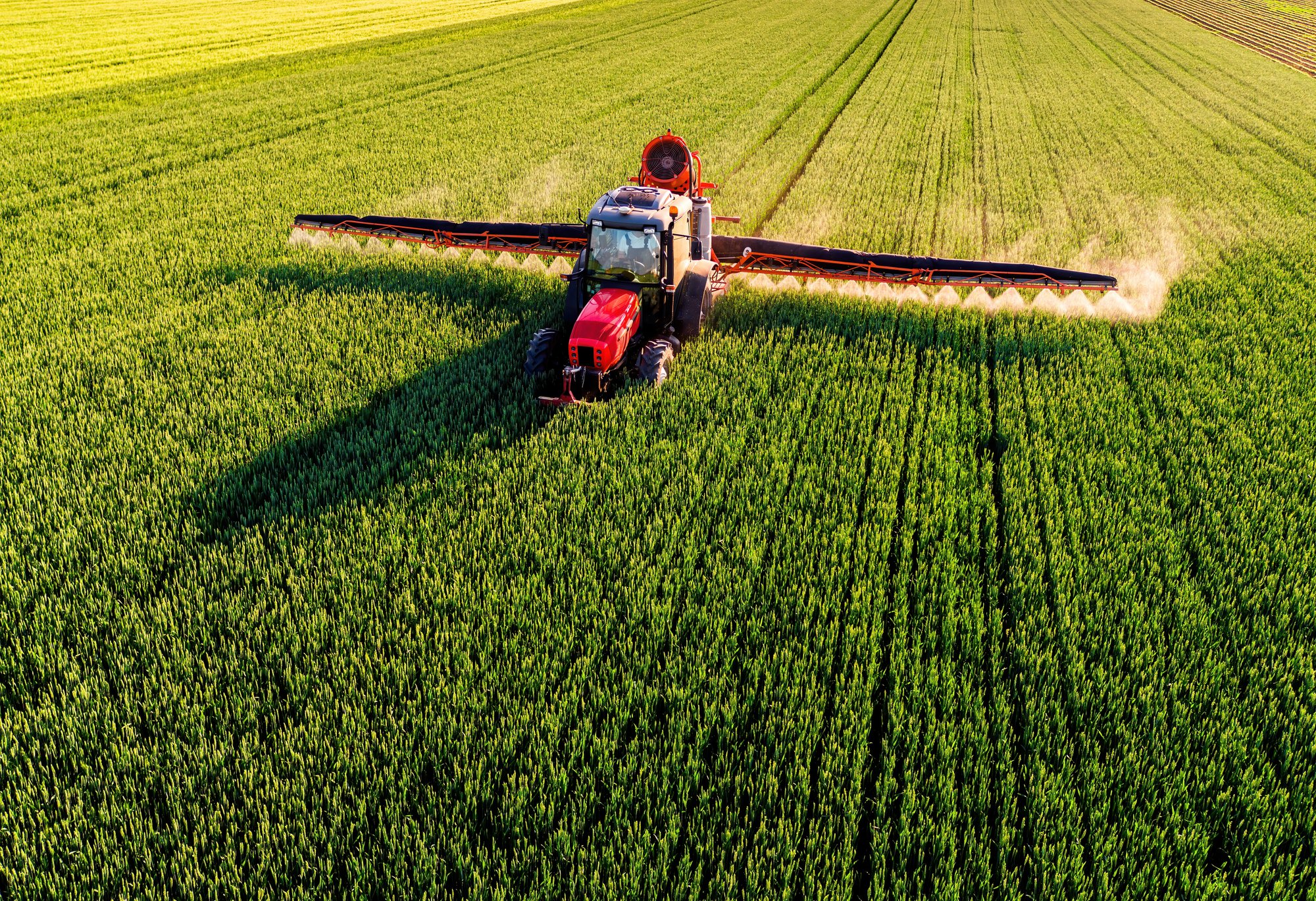
Planters and sprayers with multi-zone capability allow for simultaneous rate changes across multiple rows or sections. These machines support diverse field conditions without requiring equipment swaps or various passes, allowing farmers to maintain tight planting windows and avoid excess labor or fuel use. The flexibility offered through Variable Rate Technology (VRT) becomes increasingly valuable as the scale of acres increases.
In-field calibration and adjustment support ensure the functional operation of precision systems in real-world use. Dealers who provide in-season service calls and setup assistance help maintain the readiness of systems for field conditions. Equipment alone does not guarantee savings without the knowledge to operate and maintain it properly. The return on precision investment depends on both the machinery and expert support.
Remote Monitoring and Machine Telematics
Real-time monitoring tools give farmers insight into equipment performance, location, and diagnostics. Telematics platforms connect machines to cloud-based dashboards viewable from mobile devices or office computers. Operators track fuel usage, field progress, and maintenance alerts from anywhere with an internet connection. Access to this data shortens downtime and improves logistics during critical seasons.
Fleet management tools allow multiple machines to sync data and operate efficiently across large farms. Managers can assign tasks, reroute equipment, and ensure machine coverage aligns with field prescriptions. Alerts on system errors or component failure enable preventive action before breakdowns occur. Advanced diagnostics reduce service call delays and increase machine lifespan.
Compatible machinery must support telematics platforms through built-in hardware or add-on modules. Equipment designed for real-time feedback helps diagnose problems before they halt operations. Remote access lets dealers troubleshoot and push software updates without requiring on-site visits. Rapid support during planting and harvest season keeps operations on track.
Long-term benefits from telematics systems grow as data accumulates over time. Historical performance metrics support strategic upgrades and financial planning. Dealers offering data analytics alongside equipment deliver added value to precision farmers. Insight, combined with uptime, creates a lasting operational advantage.
Integration Support and Local Expertise in Precision Farming
Transitioning to precision farming requires more than just new equipment. Operators must understand how to use, maintain, and expand these systems over time. Equipment should fit seamlessly into the operation’s size, crop type, and management goals. Local expertise makes that possible through tailored consultation and real-time field support.
Implementing providers offering installation, calibration, and troubleshooting reduces learning curves and maximizes equipment potential. On-site training and system walkthroughs ensure staff can fully utilize new technology from day one. Real-world operating conditions often differ from manufacturer settings, making field adjustments essential. Ongoing access to local experts eliminates frustration and boosts confidence.
In-season support during peak operational windows protects both productivity and investment. Local dealers who understand regional soil types, weather patterns, and crop cycles provide more effective recommendations. When issues arise, rapid technician dispatches restore uptime without compromising schedules. Reliable field presence makes precision equipment a practical choice, not just a technical one.
Choosing precision tools from a partner who provides long-term service and product availability sets operations up for success. Equipment must function consistently, integrate with legacy machines, and scale with plans. Local availability of parts, software, and expertise closes the loop on precision implementation. Trust in both the product and the team behind it determines overall satisfaction.
Improve Farming Precision with the Right Tools
Precision farming delivers tangible advantages when backed by the right equipment, support, and expertise. Field success depends on more than digital tools — it relies on durable machines, intelligent systems, and service you can count on. Operational goals, including yield, input savings, and sustainability, all connect through a properly supported precision platform. Talk to us at Windridge Implements for proven solutions, hands-on service, and the tools to make precision farming work on your operation.