
Harvest season brings high demand on machines, leaving little tolerance for equipment failures under pressure. Preparing for this period requires comprehensive farm equipment servicing that prevents breakdowns, protects yield, and supports tight schedules. Proactive maintenance ensures every component—from engines to hydraulics—is ready for continuous operation. Scheduled servicing also supports safe operation and reduces the risk of unplanned downtime.
Tech-savvy farms rely on inspection records, fluid analysis, and seasonal tune-ups to optimize harvest readiness. Addressing wear issues before field pressure builds allows preventative replacements and avoids costly last-minute fixes. Well-serviced machines run more efficiently, comply with safety protocols, and uphold operator confidence. Effective servicing practices form the backbone of a stress-free harvest season.
1. Pre-Harvest Fluid and Filter Replacements During Farm Equipment Servicing
Engines, hydraulics, fuel systems, and cooling units depend on clean, properly changed fluids and filters to perform reliably. Contaminated oil or clogged filters reduce operational efficiency and increase thermal stress on moving parts. Scheduled replacement of engine oil, hydraulic fluid, and coolant filters prevents system failure during field demands. High quality filtration directly affects machinery lifespan and crop throughput during harvest.
Checking coolant condition helps prevent overheating in dusty or hot harvest environments. Radiator cleaning and coolant flushing maintain temperature stability under heavy load. Inspecting hoses and clamps for signs of fatigue prevents mid-season leaks or ruptures. Leak prevention supports continuous fluid pressure and uptime.
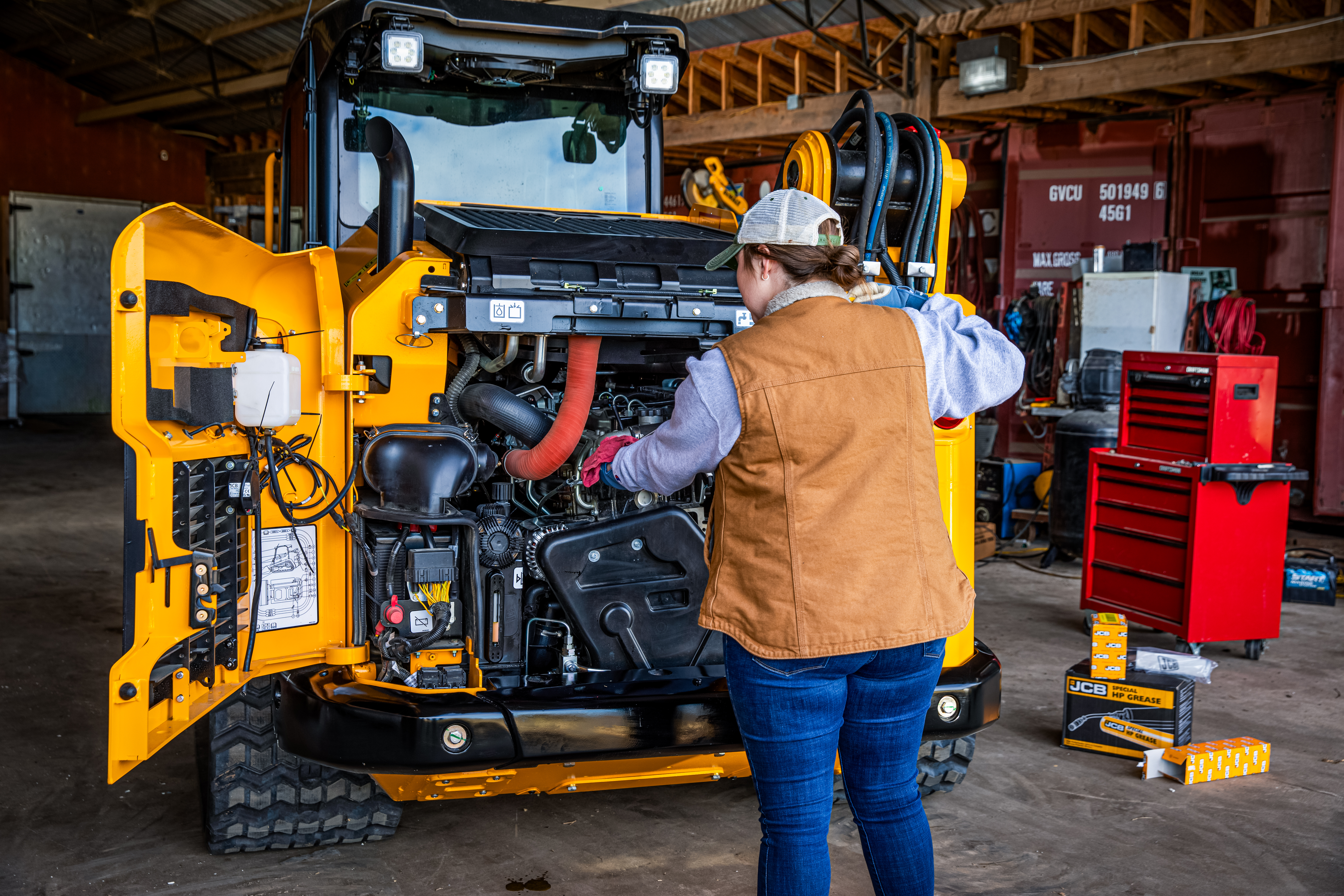
Fuel system servicing protects against clogged injectors or pump wear, especially when biodiesel blends are used. Fuel filter changes and tank inspections reduce risk of microbial contamination or moisture buildup. Clean fuel ensures consistent engine performance and smoother power delivery during harvest tasks. Serviced fuel systems avoid engine stalls under harvesting stress.
Cabin air and hydraulic system filtration should not be overlooked, even though they are less obvious. Clean cabin filters support operator comfort and visibility during long shifts. Hydraulic reservoir filters maintain fluid quality and valve response. Well-serviced filtration units reduce wear on pumps and actuators.
2. Inspection of Belts, Hoses, and Chassis Elements
Rubber components like belts, hoses, and seals degrade over time and cause breakdowns under field load. Assessing these pieces in advance of harvest stops unexpected failures and lost time. Inspecting belt tension ensures power is transmitted effectively to PTO-driven attachments. Worn or loose belts signal service intervals before reaching critical failure.
Hydraulic hoses and fittings should be checked for cracking, swelling, or abrasion during field transport. High-pressure leaks can endanger safety and cause rapid service needs during harvest. Binding or rubbing sections on chassis frames should be addressed before machines enter transport. Frame inspections also reveal structural wear from previous seasons, supporting safe harvesting.
Spare belt and hose inventory should be replenished based on inspection findings. Farms that stock critical parts reduce reliance on rush orders. Bulky components cost less in off-season and support quicker turnaround times. Servicing becomes smarter with ready access to required parts.
Documenting wear levels during farm equipment servicing helps identify future weak points in equipment design or usage patterns. Tracking asset lifecycle improves replacement planning and budgeting. Observing failure trends leads to informed equipment upgrades or training adjustments. Data-driven insight improves whole-farm servicing efficiency.
3. Hydraulic and Transmission System Checks
Hydraulic systems power essential harvest functions like header lift, grain cart augers, and steering systems. Transmission systems undergo heavy torque loads during harvesting and transfer tasks. Pre-season farm equipment servicing should include pressure testing, fluid sampling, and component inspection. Verifying system integrity prevents mid-season hard stops under load.
Pressure gauges and diagnostic tools help uncover internal filter blockages or worn seals in hydraulic circuits. Addressing minor seals or hose problems in the shop prevents field-induced emergency breakdowns. Clean system fluids improve valve response and auger consistency in grain carts. Well-maintained hydraulics support seamless combine-logistics interaction.
Transmission system servicing includes checking fluid condition, filter replacements, and gear tooth integrity. Proper transmission performance helps reduce fuel use and prevents drive chain damage. Pre-season inspection reduces the risk of shifts, torque loss, or mechanical lockup under harvest loads. Serviced transmissions support cleaner operations and minimized downtime.
Monitoring vibration and noise levels during test runs confirms system readiness. Abnormal frequencies may signal bearing wear or coupling misalignment. Servicing during off-season allows parts replacement without field pressure. Operational smoothness enhances both performance and operator confidence.
4. Electrical Systems, Lighting, and Cab Functionality
Harvest often continues into early morning or evening periods, making lighting integrity essential for productivity and safety. Farm equipment servicing before harvest includes testing headlights, work lights, beacons, and interior lamps. Dim or burned-out bulbs increase the risk of accidents or operator error. Fully operational lighting ensures clear visibility and compliance.
Electrical system servicing also includes battery checks, cable tightness, and alternator performance tests. Battery failures or loose connections cause no-start conditions that delay harvesting. Voltage regulation under load should match manufacturer specifications. Serviced electrical systems deliver consistent power supply for lighting and machine operation.
Sensor and display calibration ensures accurate yield mapping, moisture data, and machine diagnostics. Incorrect readings could cause misaligned grain cart positioning or ineffective transfer. Cabin comfort systems like HVAC allow operators to stay alert under varying seasonal temperatures. Fully serviced comfort systems support operator stamina in busy harvest months.
Integration of precision farming tools relies on clean data connection, signal clarity, and proper sensor placement. Checking wiring harnesses for chafing or corrosion supports continuous operation under dust and vibration. Cab interface servicing ensures data from guidance, yield monitors, or scales remains accurate. Reliable systems drive confident in-field decisions.
5. Tire, Track, and Brake System Evaluation
Traction devices take heavy wear during high-load towing and sharp turns in harvest fields. Tire inflation, tread depth, and rim integrity determine machine stability and fuel efficiency. Inspecting tires for embedded debris or sidewall damage prevents blowouts under harvest stress. Replacing or servicing tires before the season starts saves time and tractor downtime.
Tracks or flotation tires require tension checks, roller alignment, and missing lug inspection. Proper track tension prevents derailment, uneven wear, or excessive soil compaction. Loose or worn tracks lead to inefficiency and risk slips on hills. Servicing traction systems supports both field performance and crop protection.
Brake systems, including pads, drums, rotors, and air lines, must be tested thoroughly before transport tasks. Brake fade under load can cause road safety issues during bin transport. Serviced brakes prevent accidents and mechanical stress during steep field travel. Functional braking improves operational confidence.
Record tire or track servicing findings to plan future farm equipment replacement cycles. Schedule tread depth or pattern inspections every harvesting season. Monitoring brake wear supports prioritized maintenance between harvest operations. Roadworthiness begins with mechanically sound traction and braking systems.
Equip Your Operation with Proactive Farm Equipment Servicing
Farm equipment servicing before harvest is not optional, it is essential to sustain uptime, protect safety, and safeguard yield. Covering fluid systems, chassis components, hydraulics, electrical systems, and traction devices forms a comprehensive servicing program. Well-prepared machines reduce risk, support operator efficiency, and contribute to better farm profitability. Smart servicing before field pressure begins is an investment with measurable returns.
Visit Windridge Implements at Cresco, Decorah, or Elkader to schedule comprehensive harvest readiness servicing. Our factory-trained technicians specialize in fluid analysis, diagnostics, component replacement, and safety upgrades. Extended parts inventory and OEM support ensure that machines remain harvest-ready under tight schedules. Connect with us today so your farm equipment servicing supports a smooth and productive harvest season.