

Farm operators rely on efficient hydraulics to ensure machinery performs reliably throughout the season. Systems like lift arms, steering, and attachments depend on steady hydraulic pressure. Maintaining these systems helps prevent downtime and keeps tractors and loaders ready for critical tasks.
Proactive hydraulic maintenance avoids costly breakdowns during peak fieldwork periods. Early detection of leaks, worn hoses, or dirty filters preserves system integrity. Operators who follow proper maintenance habits extend machine life and maintain safety during operation.
What exactly does “hydraulics maintenance” cover?
Hydraulics maintenance means keeping fluid levels topped, filters clean, hoses intact, and fluid free from contamination. It ensures components such as cylinders, pumps, and valves stay healthy under load. Regular maintenance helps avoid sudden breakdowns and costly repairs.
Why Are Hydraulics So Important for Core Machine Functions?
Hydraulic systems help manage heavy loads while reducing strain on mechanical linkages. That ensures attachments function predictably and minimizes wear on frames and engines. Consistent hydraulics improve machine efficiency and reduce fuel consumption during field operations.
Advanced features, like down-pressure systems or loader stabilization, depend on clean, healthy hydraulics. These functions perform optimally only with proper fluid levels and maintenance. Maintaining hydraulic systems helps attachments work smoothly during high-demand operations.
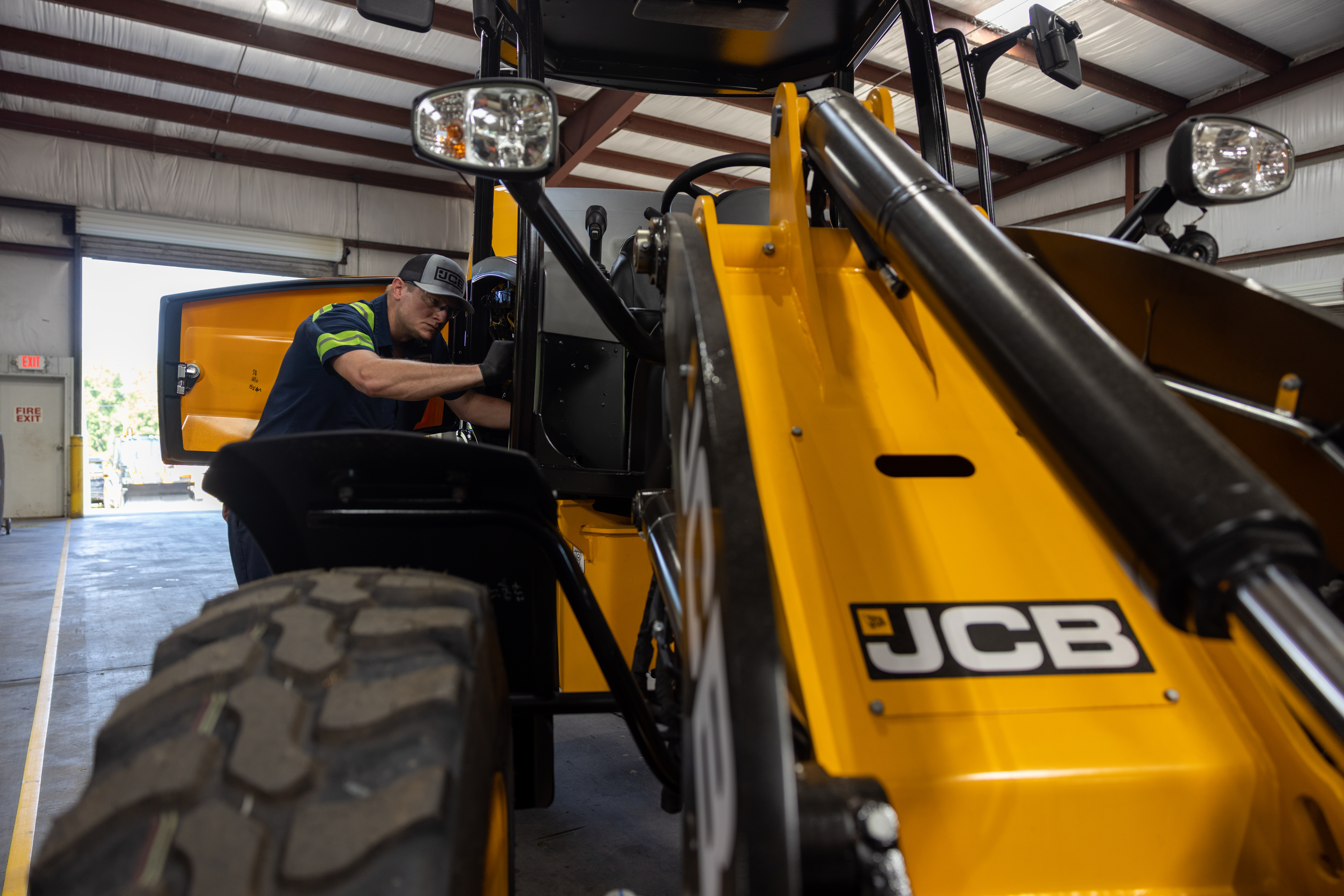
Regularly spot signs of wear and leaks in hydraulic components to prevent unexpected failures during heavy fieldwork. Early detection allows operators to maintain machine reliability and consistent performance under load. Healthy systems support safe operation during critical tasks.
How Often Should Operators Check Fluid Levels and Filters?
Hydraulic fluid and filter checks should be performed frequently, ideally before heavy use. Low fluid can cause pump cavitation and reduced lifting power. Dirty filters may allow contaminants into sensitive components, causing internal damage.
Operators should schedule checks before planting or after harvesting to ensure readiness for seasonal workloads. These checks reduce the risk of failure during critical periods. Following a routine helps maintain fluid quality and system pressure consistently.
Proper seasonal preparation helps protect hydraulic systems from damage when machinery is not in use. Managing fluid levels and filter changes ahead of seasonal transitions ensures reliable performance throughout the year.
Consistent checks improve pump efficiency and reduce wear on hydraulic components. Clean fluid enhances system response and helps maintain stable operating temperatures. Preventive habits save time, reduce repair costs, and improve machine longevity.
What Should Be Inspected When Reviewing Hoses, Fittings, and Cylinders?
Hydraulic hoses, fittings, and cylinders must be inspected regularly for leaks, cracks, or wear. Early detection prevents failure under load, which can halt operations. Cylinder seals and rods require attention to maintain lifting power and precision.
A structured inspection ensures no critical areas are overlooked. Operators gain confidence in the equipment’s reliability during heavy workloads. Healthy hoses and cylinders reduce downtime and protect expensive components.
Step-by-step inspection guide for hydraulic components:
-
Examine hoses for cracks, bulges, or rubbing that may indicate pressure issues.
-
Check fittings for leaks or residue that could signal developing problems.
-
Inspect cylinder rods for scratches, pitting, or rust that can damage seals.
-
Verify hoses are securely routed and not rubbing against moving parts.
-
Wipe down connections to confirm they remain dry and free from fresh fluid spots.
Preventive inspections reduce costly repairs and ensure equipment runs smoothly during peak operations. Replacing worn components before failure ensures safer operation and extends system life.
What Happens When Hydraulic Fluid Becomes Contaminated?
Contaminated fluid quickly damages pumps, valves, and cylinders. Dirt, water, or metal shavings accelerate internal wear and reduce system efficiency. Clean fluid is essential for maintaining stable pressure and smooth operation.
Contamination often originates from worn seals, loose fittings, or neglected maintenance. Operators may notice slow response, unusual noises, or heat buildup. Early action prevents further damage and supports consistent machine performance.
Proper seasonal preparation helps prevent fluid contamination during off-season storage. Regular fluid and filter changes protect internal components and maintain smooth operation during fieldwork.
Frequent inspections and fluid replacement reduce the risk of pump or valve failure. Clean hydraulic fluid improves attachment control and overall responsiveness. Operators who act quickly maintain system reliability during critical fieldwork.
Why Is Manufacturer-Recommended Hydraulic Fluid Essential for Equipment Health?
Using the manufacturer-recommended hydraulic fluid maintains proper viscosity, lubrication, and temperature stability. Components like pumps, cylinders, and valves depend on precise fluid properties for optimal performance. Correct fluid reduces wear and keeps the system predictable under load.
Incorrect fluids may thicken in cold weather or thin in heat, reducing lifting or steering efficiency. Using recommended fluids prevents premature component failure. Following manufacturer specifications ensures optimal hydraulic performance and protects critical components.
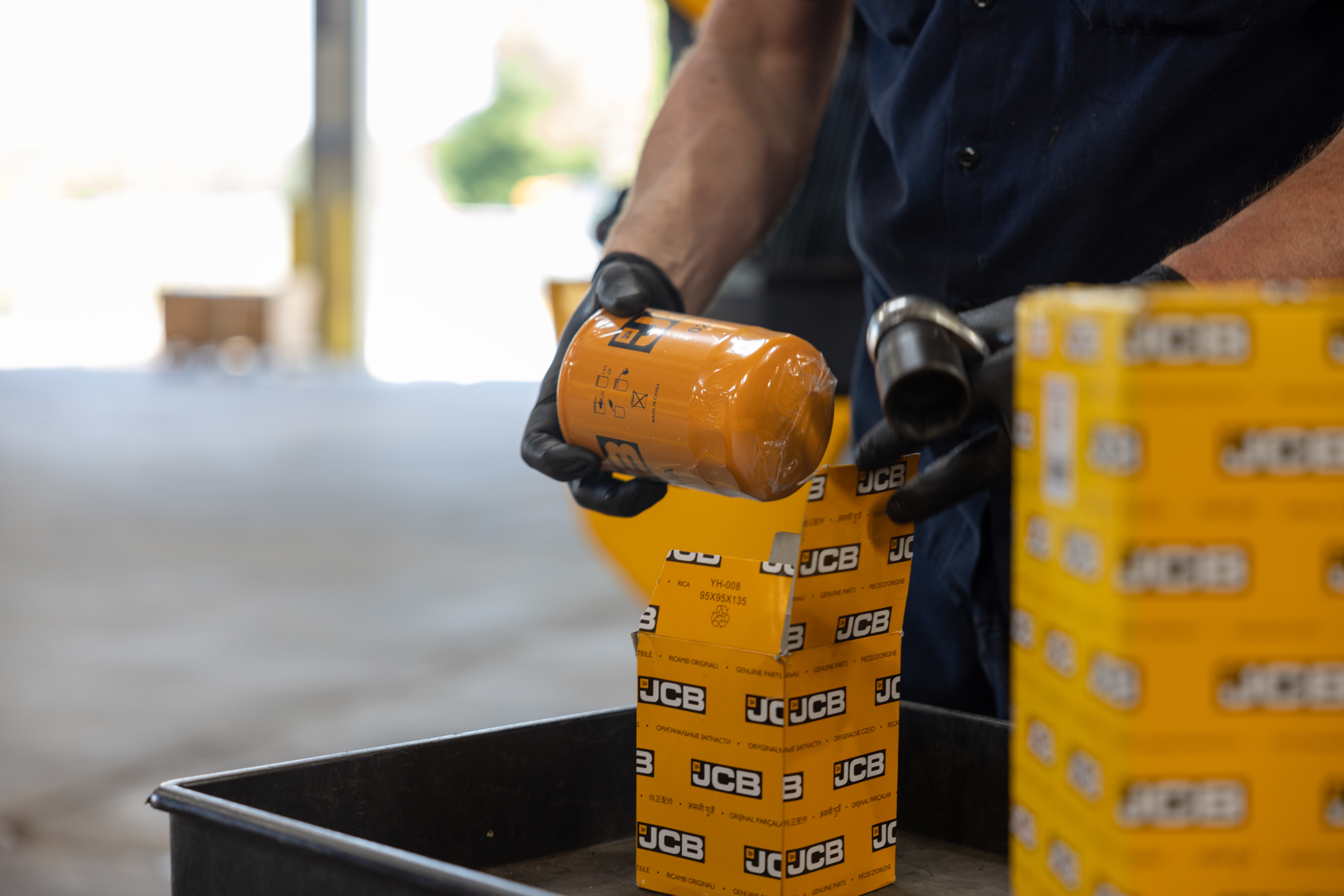
Proper fluid selection supports reliability and protects hydraulic components under heavy loads. Approved hydraulic fluid also helps protect seals, hoses, and pumps from damage. Operators benefit from smoother, safer, and more consistent machine behavior.
When Should Operators Schedule a Full Hydraulic System Inspection?
A complete hydraulic inspection is recommended before high-demand periods such as planting or harvest. Seasonal workloads can stress components, making early detection of wear essential. Inspections prevent mid-season failures and maintain field readiness.
Inspections include reviewing hoses, fittings, filters, fluid condition, and cylinder function. Load testing provides insight into pressure stability and responsiveness. Maintaining accurate records helps track trends and schedule future maintenance efficiently.
Integrating hydraulic checks with other routine maintenance, such as engine and tire inspections, provides a comprehensive overview of equipment health. Proactive evaluation reduces the likelihood of sudden breakdowns. Regular inspections strengthen operational reliability and machine performance.
A well-maintained hydraulic system supports safe, efficient operation during long field days. Operators can focus on productivity, knowing machinery responds reliably under all conditions. Early detection and service planning minimize downtime and extend component life.
Ensuring Long-Term Reliability Through Proper Hydraulic Maintenance
Proper hydraulic maintenance directly affects overall equipment performance and longevity. Clean fluid, timely inspections, and preventive repairs reduce wear and support smooth machine operation. Healthy hydraulics help tractors, loaders, and attachments perform consistently during peak seasonal workloads.
Seasonal inspections, fluid management, and proactive component replacement protect vital system elements. These practices reduce unexpected breakdowns and increase operational efficiency. Contact the service department at Windridge Implements to schedule a hydraulic system check and ensure your equipment stays ready for the field.