

Specialty crop farming requires precise strategies to balance efficiency, care, and profitability. Equipment designed for versatility and accuracy helps producers manage unique challenges. Farmers who focus on the right strategies achieve stronger yields while protecting long-term sustainability.
Vineyards, orchards, and other specialty operations require approaches that go beyond standard field practices. Farmers face narrow rows, delicate crops, and seasonal demands that need adaptable equipment strategies. Partnering with knowledgeable dealerships ensures every piece of machinery supports both productivity and crop quality.
What Equipment Strategies Define Successful Specialty Crop Farming
The success of specialty crop farming depends on aligning strategies with the crop type, farm size, and operational demands. Farmers maximize efficiency through equipment designed for precision, adaptability, and longevity. Properly chosen strategies reduce waste, protect crops, and support long-term profitability.
Why Is Adaptability Essential for Specialty Crop Farming
Specialty crop farming requires equipment capable of adapting to narrow vineyard rows, orchard spacing, and variable soil conditions. Farmers who select adaptable tools save time and reduce unnecessary costs. Equipment that handles multiple applications supports productivity throughout each season.
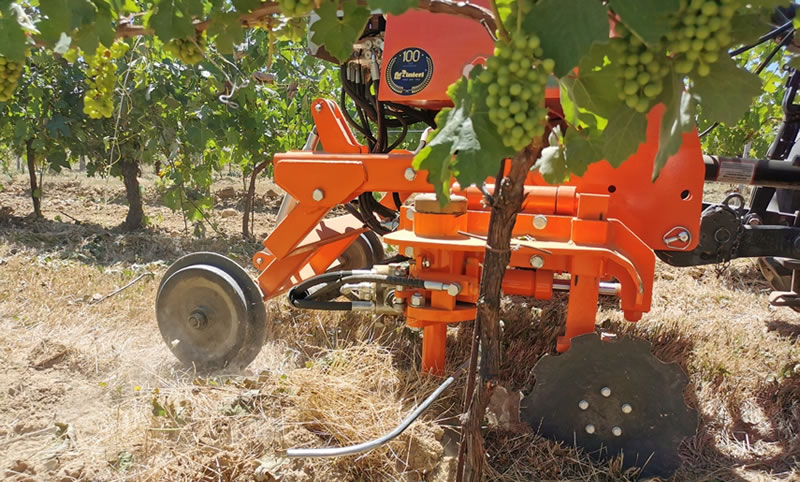
Adaptability also supports long-term sustainability. Versatile tractors and attachments reduce the need for multiple machines, allowing operations to remain financially efficient. Farmers gain confidence knowing equipment performs consistently across varying crop environments.
Seasonal flexibility further strengthens operational resilience. Equipment adaptable to pruning, mowing, hauling, and harvesting allows specialty crop farms to stay profitable under demanding conditions. Smart strategies ensure versatility remains a core advantage.
What Strategies Improve Productivity in Specialty Crop Farming
Farmers adopt strategies that focus on efficiency, precision, and sustainability. Multi-purpose tools, proactive service, and adaptable attachments form the foundation of productive operations. Specialty crop farming benefits from approaches designed to overcome unique challenges:
-
Use compact tractors that maneuver easily through vineyards and orchards without damaging plants or soil structure.
-
Rely on specialized attachments that manage pruning, mowing, or spraying tasks across different crop types efficiently.
-
Focus on transport efficiency with trailers and utility vehicles that reduce time spent moving crops and supplies.
-
Incorporate grain carts or wagons in diversified operations to simplify seasonal harvest logistics.
-
Integrate preventive maintenance as a key strategy to ensure equipment operates reliably during high-demand periods.
Each approach allows farmers to adapt to specific crop conditions while maintaining operational efficiency. Strategic use of equipment ensures consistent performance in specialty environments.
How Does Preventive Maintenance Support Better Efficiency
Preventive maintenance strategies protect valuable equipment used in specialty crop farming. Regular care ensures tractors, attachments, and implements remain reliable during critical seasons. Farmers avoid costly downtime when maintenance is planned in advance.
-
Schedule inspections before pruning, harvest, or planting seasons to detect early wear.
-
Maintain hydraulic systems to guarantee attachments perform precisely under demanding conditions.
-
Replace hoses and filters to prevent breakdowns in sensitive crop areas.
-
Lubricate moving parts to extend lifespan and avoid unnecessary failures.
-
Keep detailed records of maintenance schedules to improve long-term planning and resale value.
Preventive maintenance creates confidence for specialty crop producers. Reliable machinery helps maintain profitability while protecting delicate crops during crucial fieldwork.
Why Does Equipment Versatility Improve Specialty Crop Farming Operations
Versatility is central to specialty crop farming, where diverse tasks must be completed with limited equipment. Farmers adopt strategies that emphasize multi-use machinery to reduce investment costs. Attachments and modular tools support tasks across the year.
-
Loader attachments support hauling harvested grapes, fruit bins, or orchard debris with efficiency.
-
Mowers and cutters maintain orchard and vineyard floors, preventing weeds and protecting root systems.
-
Tillage implements prepare soil carefully in specialty fields, maintaining consistency without disturbing delicate crops.
-
Sprayer attachments deliver targeted applications in orchards or vineyards, reducing waste and protecting plant health.
-
Utility trailers simplify transport of produce and equipment, improving efficiency across farms of varying sizes.
Each piece of multi-use equipment improves profitability. Versatile solutions strengthen specialty crop farming strategies and adapt operations to evolving conditions.
How Does Dealership Support Strengthen Specialty Crop Farming
Dealership support ensures equipment strategies remain reliable and effective. Farmers benefit from expert guidance in selecting equipment suited to vineyards, orchards, or mixed-use farms. Trained technicians provide preventive maintenance and timely repairs to keep operations running smoothly.
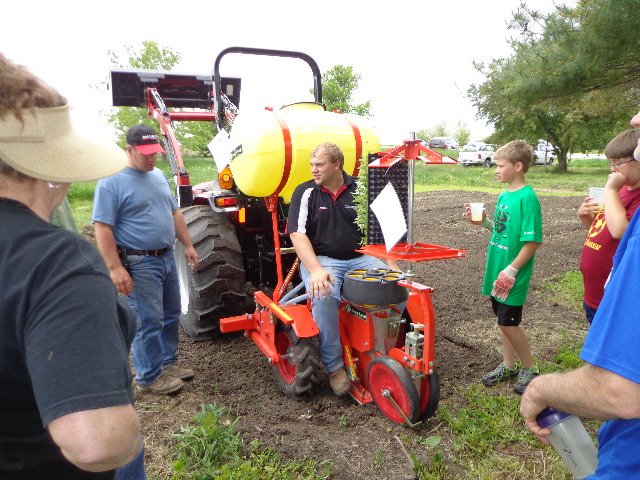
Dealerships also supply essential parts, from hydraulic hoses to replacement chains, ensuring specialty crop farms avoid interruptions. Farmers working with trusted providers minimize downtime and protect critical harvests. Access to genuine parts ensures equipment longevity.
Partnerships with dealerships provide more than equipment purchases. Farmers gain confidence knowing professional support is available year-round. This relationship strengthens long-term success in specialty crop farming.
How Do Equipment Strategies Provide Long-Term Value in Specialty Crop Farming
Farmers achieve long-term value through strategies that emphasize sustainability, versatility, and financial efficiency. Specialty crop farming thrives when equipment delivers reliable performance across multiple seasons. Careful planning protects both productivity and profitability.
Equipment strategies that focus on adaptability reduce unnecessary purchases, saving money while maintaining efficiency. Tractors and implements that serve multiple purposes provide flexibility as crop demands evolve. Farmers remain competitive with machinery that grows alongside their needs.
Preventive service and dealership partnerships extend the life of valuable equipment. Long-term value comes from a balanced approach where every piece of machinery contributes to operational success. Farmers adopting smart strategies secure resilience for years ahead.
Why Equipment Strategies Matter in Specialty Crop Farming
Specialty crop farming requires equipment strategies that emphasize adaptability, precision, and sustainability. Farmers who plan effectively reduce costs, protect crops, and maximize efficiency. Multi-use machinery and preventive maintenance ensure reliable performance year after year.
Producers across Iowa, Minnesota, and Wisconsin benefit from trusted support when implementing specialty crop strategies. Reliable equipment backed by professional service strengthens farm success. Contact Windridge Implements today to explore specialty crop farming solutions and discover strategies tailored to your operation.