
Proper equipment calibration is critical for precision and consistency on the farm. Equipment calibration ensures that planters, sprayers, and fertilizer applicators operate exactly as intended. When machinery is correctly calibrated, farmers minimize waste and protect their investment in inputs and seed.
Neglecting calibration can quietly erode crop performance and field efficiency. Small errors in planting depth or chemical application compound over acres, reducing yield potential. Regular checks and adjustments safeguard both profitability and operational confidence throughout the season.
How Does Equipment Calibration Affect Farm Productivity?
Equipment calibration ensures that planting, spraying, and fertilizing are accurate across every acre. Misaligned machinery can cause seed overlap, uneven nutrient distribution, and wasted inputs. Maintaining precise calibration directly improves efficiency, crop consistency, and overall yield potential.
What Equipment Requires Regular Calibration?
Most planting and harvesting machinery benefits from routine calibration. Planters, sprayers, and fertilizer spreaders are particularly sensitive to misalignment. Even minor deviations in output can affect entire fields.
Harvesters also require calibration to measure grain loss and maintain consistent performance. Grain carts and combines must be set correctly to prevent uneven loads or equipment strain. Routine upkeep, such as preparing for harvest inspections, supports both calibration accuracy and overall reliability.

Sprayer calibration affects chemical effectiveness and environmental safety. Correct pressure and nozzle settings ensure uniform coverage across varied terrain. Accurate calibration reduces waste and avoids damaging crops or surrounding areas, following best practices for equipment calibration.
Fertilizer applicators rely on exact placement for optimal nutrient uptake. Misapplied fertilizer leads to uneven growth and can stress plants during critical growth stages. Proper calibration supports consistent crop health and maximized yield potential.
How Can Farmers Perform Basic Calibration Checks?
Equipment calibration is essential for ensuring that planters, sprayers, and fertilizer applicators deliver accurate output. Farmers can take several simple steps to verify accuracy before the season begins. Thoroughly inspecting machinery while preparing for planting season helps prevent errors and maintain optimal field performance.
-
Check seed spacing and depth on planters using a test row to confirm proper planting rates.
-
Inspect sprayer nozzles and measure output over a known distance to ensure uniform coverage.
-
Weigh fertilizer loads and measure spread patterns against recommended rates to verify consistency.
-
Visually inspect machinery for wear or damage affecting performance, remembering that routine maintenance, including grain cart checks, supports calibration.
-
Note field variations such as soil type, slope, or residue that may require equipment adjustments.
Following these basic calibration checks helps farmers reduce waste, prevent overlap, and maximize crop performance. Consistent equipment calibration ensures operations run efficiently across all acres. Implementing these steps establishes a reliable baseline before professional calibration or peak season operations.
When Should Professional Calibration Service Be Considered?
Certain calibration tasks demand specialized tools and expertise. Factory-level adjustments on planters or high-capacity sprayers often exceed what can be accomplished in the field. Professional service ensures settings meet manufacturer standards and industry best practices.
Complex hydraulic or electronic systems require precise equipment calibration to function correctly. Attempting these adjustments without proper tools can cause costly mistakes. Certified technicians verify accuracy and maintain equipment warranties.
Professional calibration is particularly important when switching seed varieties, chemical formulations, or fertilizer types. Each product may require different rates or application techniques. Ensuring proper setup prevents waste and maximizes efficiency.
Scheduling professional service before peak planting or spraying season avoids downtime. Early adjustments allow farmers to begin operations with confidence. Consistency in equipment performance translates directly into crop performance and profitability.
Steps to Maximize Yield Through Equipment Calibration
Maximizing yield depends on fine-tuning every component of farm machinery. Ensuring proper equipment calibration helps seeds, fertilizers, and chemicals are delivered at optimal rates. Accurate equipment reduces overlap, skips, and waste across the field.
Farmers should adopt a structured calibration routine:
-
Conduct a test run to measure actual seed or chemical output.
-
Compare output against manufacturer-recommended rates and adjust accordingly.
-
Inspect nozzles, disks, and seed meters for wear that may alter delivery.
-
Recheck measurements after adjustments to verify accuracy.
-
Document results for consistent performance in future seasons.
Consistency ensures each acre achieves full potential, reducing the need for corrective actions later. Reliable calibration also supports sustainable farming practices by minimizing excess application. Maintaining precision today provides long-term operational and financial benefits.
Field Conditions That Influence Equipment Calibration
Soil type, moisture, and crop residue can all influence equipment performance. Variations in terrain affect planting depth, application coverage, and spreading patterns. Equipment calibration must account for these changes to maintain consistent results.
Changes in product characteristics, such as seed size or fertilizer granule density, also impact equipment output. Adjustments ensure that machines continue to apply inputs accurately under different conditions. Regularly reviewing field-specific variables keeps operations aligned with performance goals.
Weather can exacerbate calibration issues, particularly during wet or dry seasons. Moisture levels affect seed placement and chemical absorption. Adapting calibration to seasonal conditions helps maintain uniform growth and reduces input waste.
Monitoring field results after calibration provides feedback for future adjustments. Tracking data on seed emergence or fertilizer uptake identifies areas needing fine-tuning. Properly calibrated equipment ensures resources are used efficiently and crops reach their full potential.
Preventative Equipment Calibration: A Seasonal Imperative
Routine calibration is a key component of preventative maintenance. Aligning machinery with seasonal needs avoids surprises during critical planting and harvesting windows. Farmers save time, reduce stress, and protect investment by staying proactive.
Pre-season calibration checks minimize operational disruptions during peak workloads. Equipment performs more reliably, reducing the risk of costly downtime. Accurate machinery ensures that agronomic decisions translate directly into field success.
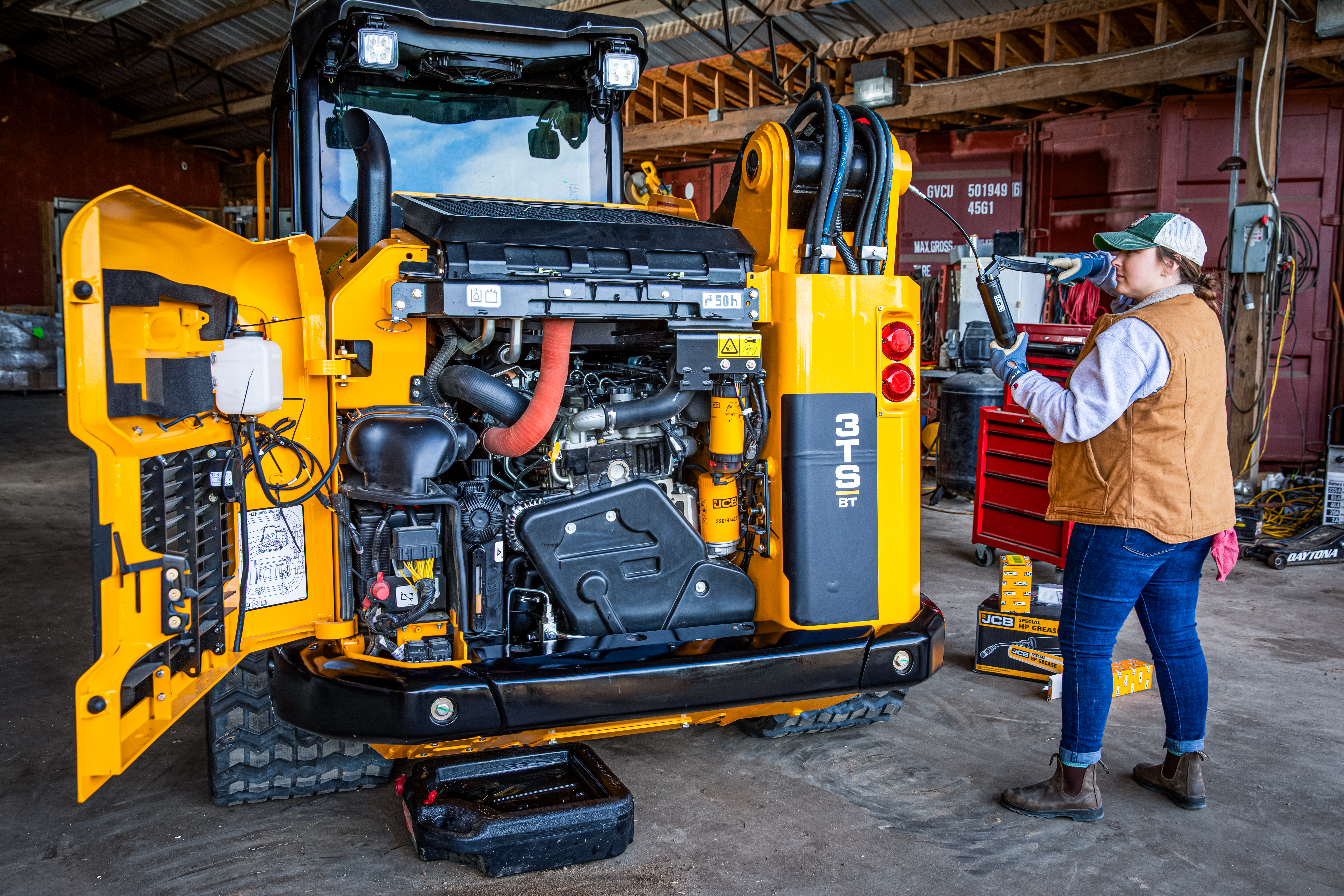
Integrating calibration into regular maintenance routines maximizes efficiency and longevity. Calibration complements lubrication, inspection, and cleaning tasks. Together, these practices enhance both machinery life and crop outcomes.
Ensuring Accurate Operations for Maximum Profit
Precision in farming operations begins with consistent equipment calibration. Correctly adjusted machinery minimizes waste, reduces field errors, and protects input investments. Regular calibration supports both operational efficiency and yield maximization across the farm.
Expert calibration ensures every acre produces as intended. Certified technicians at Windridge Implements use specialized tools to perform factory-level adjustments on Case IH, JCB, and other major equipment. Contact the service team in Decorah, Cresco, or Elkader to schedule your pre-season calibration check and safeguard your farm’s performance this season.